Meaning
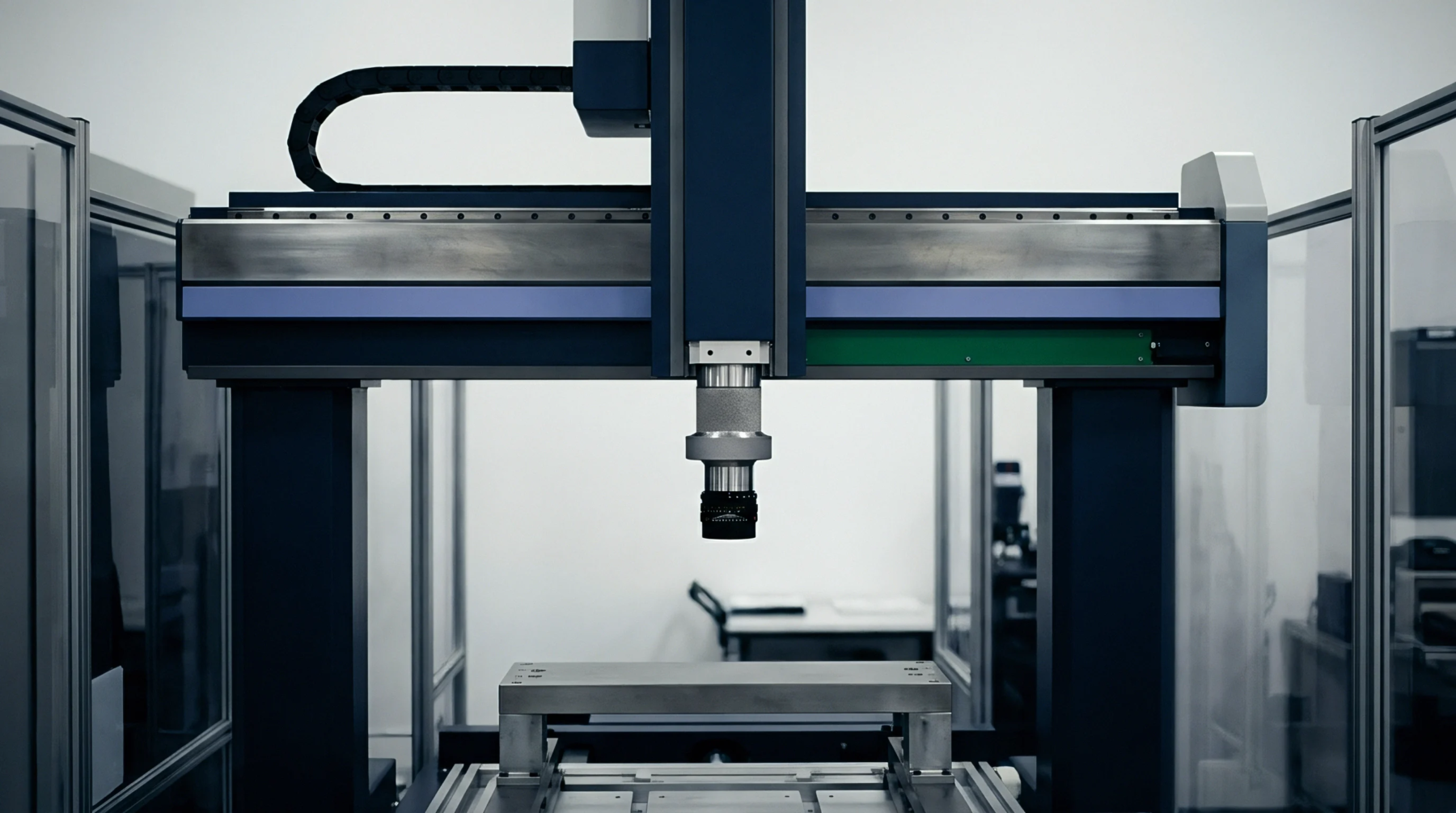
Analytical assessment protocols quantify the presence of non-metallic particles within a steel or aluminium sample using computer-controlled imaging. The automated inclusion rating provides a statistical distribution of contaminants that might compromise the structural integrity of thin-walled battery housings. Standardised software scans the polished surface of the metal to identify oxides and sulphides or various silicates.
Detection Logic
High-resolution microscopy coupled with thresholding algorithms distinguishes foreign particles from the metallic matrix based on grey-scale contrast. This automated inclusion rating identifies the morphology and size of every detected feature across a specified area. Human error is removed from the counting process.
Precise coordinates allow for follow-up analysis under electron beams if chemical identification becomes necessary.
Purity Benchmark
Material specifications for precision battery components often mandate a specific limit on the density of larger particles to prevent fracture during deep drawing. An automated inclusion rating ensures that the raw stock meets the fatigue resistance requirements of the cell manufacturer. Total oxygen content alone does not reveal the size distribution that leads to crack initiation.
Batch diversion occurs if the count exceeds the threshold. This process maintains the safety of the supply chain.
Quality Consequence
Excessive concentrations of non-metallic debris lead to pinholes in thin foils or localized thinning in extruded casings. The automated inclusion rating acts as a gatekeeper for the high-yield production of cylindrical cell cans. Reliable data here reduces the risk of thermal events.