Automated Off-Gas Detection Limits for Volatile Organic Compounds in Lithium Battery Cargo
Automated VOC detection limits for lithium battery cargo require setting DMC thresholds below 1 ppm while filtering ambient timber and adhesive backgrounds.


Plume
Thermal abuse testing shows that organic solvent vaporization precedes catastrophic cell runaway by minutes or even days. When localized shorting or overcharging drives temperatures in lithium-ion cells above sixty degrees Celsius, the solid electrolyte interphase destabilizes. The resulting exothermic breakdown of this passivation layer generates gas, pushing internal cell pressure toward the mechanical burst rating of the current interrupt device or vent disc.
Upon score line rupture, the initial ejection consists of vaporized linear carbonates mixed with trace decomposition gases, with vapor pressures that govern how quickly an off-gas signature travels through packaging voids toward cargo sensors.
Dimethyl carbonate and ethyl methyl carbonate dominate initial emissions due to their volatility ~ dimethyl carbonate carries a vapor pressure of roughly 56 hectopascals at twenty degrees Celsius, while ethyl methyl carbonate reaches 36 hectopascals at that same temperature. Diethyl carbonate is less volatile, whereas ethylene carbonate and propylene carbonate stay mostly liquid until internal temperatures top two hundred degrees Celsius. Consequently, automatic sniffers in cargo holds rarely catch cyclic carbonates in early venting phases, and detectors built solely for carbon monoxide or hydrogen often miss the breach altogether.
Volatile linear carbonates remain the earliest detectable atmospheric markers of a compromised package.
A closed freight space containing venting prismatic cells reaches five parts per million dimethyl carbonate vapor before cell casing temperatures exceed eighty degrees Celsius.
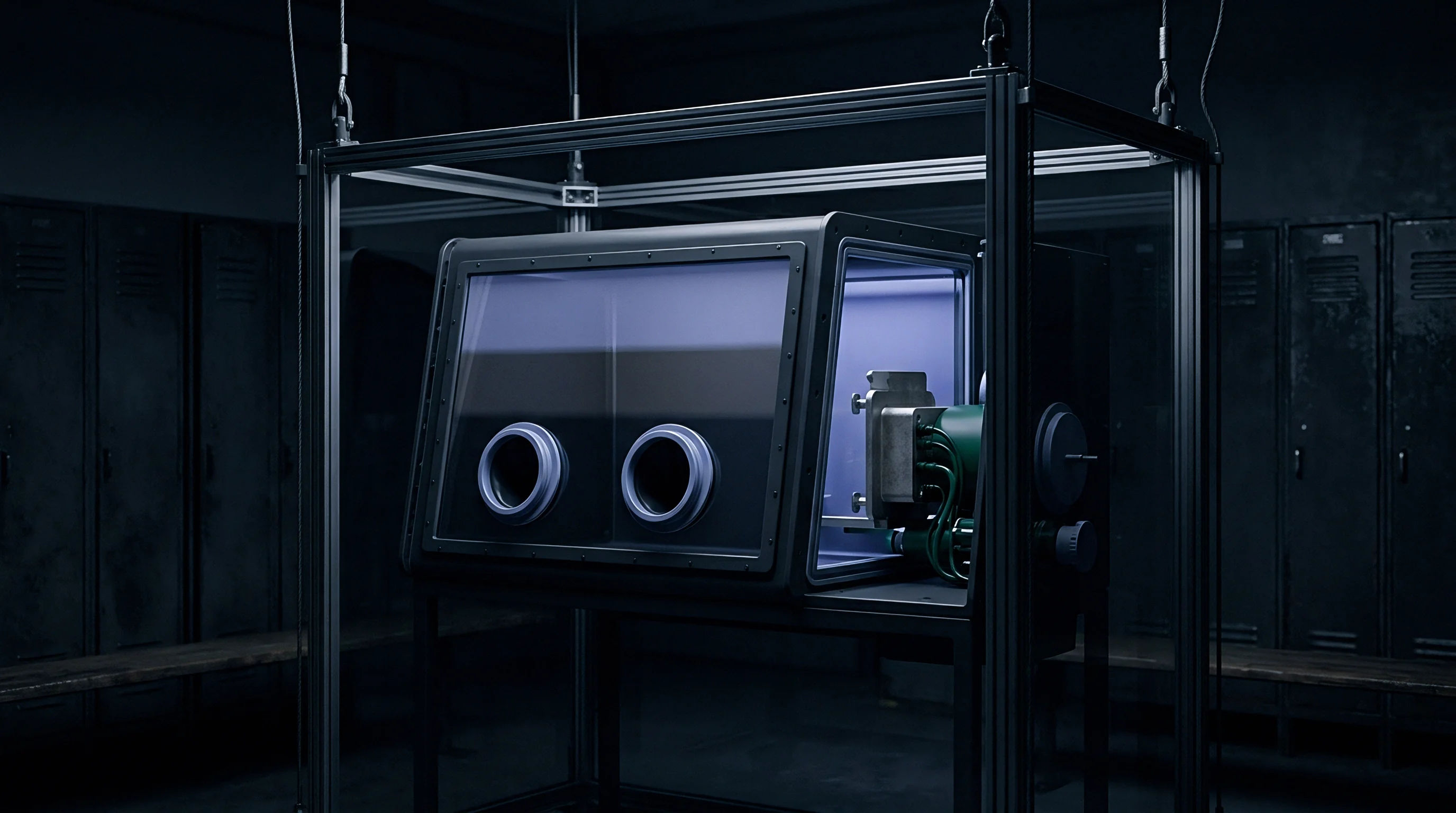
Primary Venting Pathways across Battery Enclosures
Cylindrical, prismatic, and pouch cell enclosures release gas differently as internal pressure climbs. Cylindrical 21700 and 18650 formats rely on scored aluminum or steel top-cap discs designed to open between 1.0 and 1.8 megapascals. Prismatic cells feature laser-welded burst vents held to tighter tolerances, typically releasing between 0.4 and 0.8 megapascals to stop can swelling.
Pouch cells have no mechanical vents; they rupture along heat-sealed perimeter seams ~ most often at a weak corner near the electrode tabs, where pressures as low as 0.2 megapascals trigger delamination. These structural differences determine whether solvent vapor exits in a focused, high-velocity jet or as a slow, continuous leak into open voids.

Vapor Phase Dynamics across Temperature Regimes
Solvent concentrations inside sealed cargo holds shift according to electrolyte boiling points and enthalpy of vaporization. DMC boils at ninety degrees Celsius, while EMC vaporizes at 107 degrees. If a defective cell vents inside a twenty-foot intermodal container, the concentration gradient falls off sharply with distance from the release point as ambient airflow dilutes the vapor.
Chemical discharge follows a distinct progression as cell degradation advances:
- Linear carbonate evaporation begins when the cell casing breaches at seventy to ninety degrees Celsius, releasing pure solvent vapor into inner packaging voids.
- Solvent transesterification produces volatile secondary esters at temperatures between ninety and one hundred thirty degrees Celsius as exposed lithium salts catalyze thermal breakdown.
- Cathode decomposition venting releases oxygen and carbon dioxide above one hundred fifty degrees Celsius, accelerating electrolyte combustion inside the module.
- Transition metal dissolution liberates toxic fluoride gases alongside methane and hydrogen cyanide once separator collapse induces dead shorts.
A shipping box containing breached cells emits volatile solvents long before a thermal sensor registers a temperature rise. Lighter carbonates evaporate quickly into headspace air, whereas heavier solvents tend to condense on surrounding packaging materials.

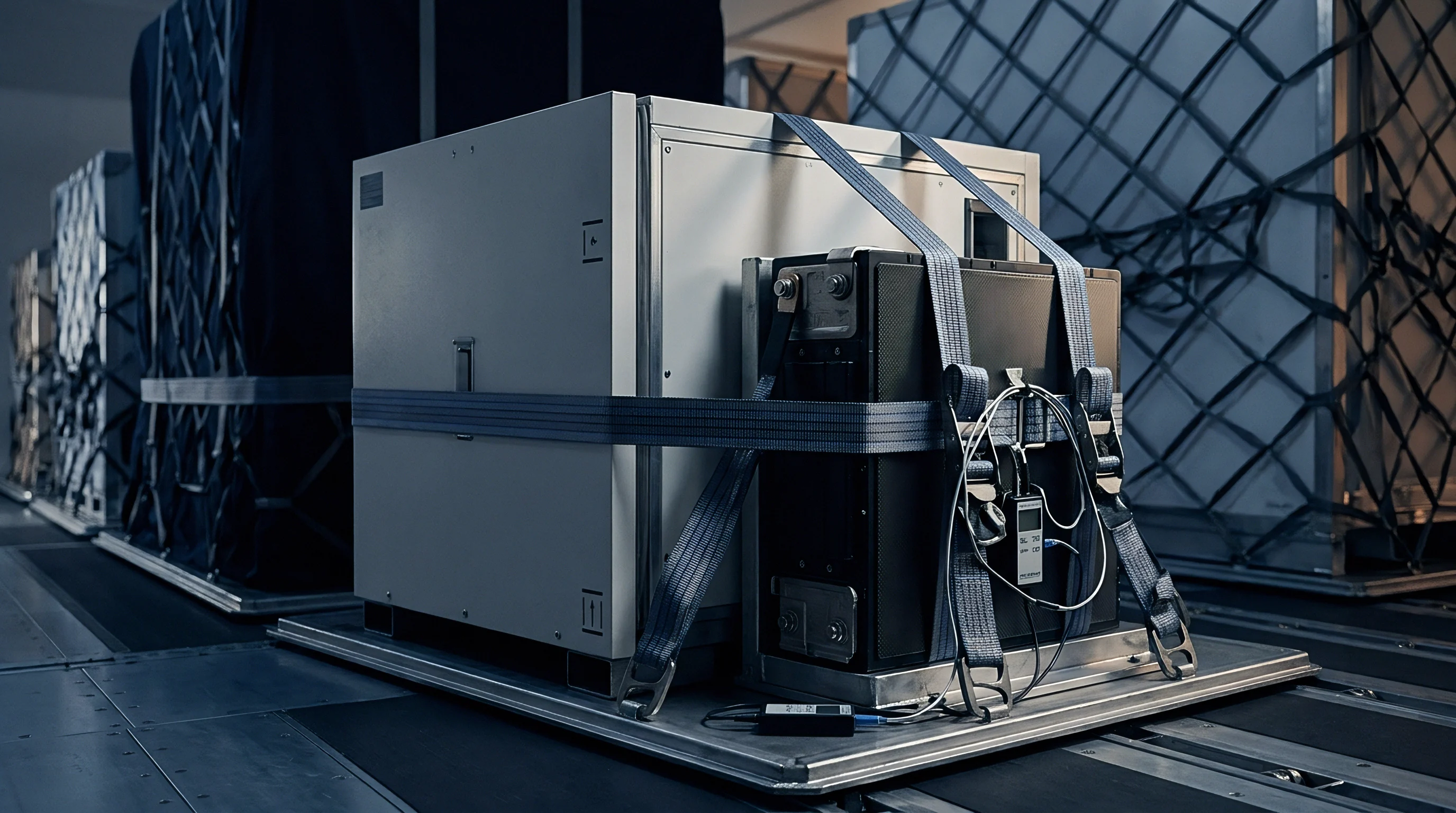
Sensor
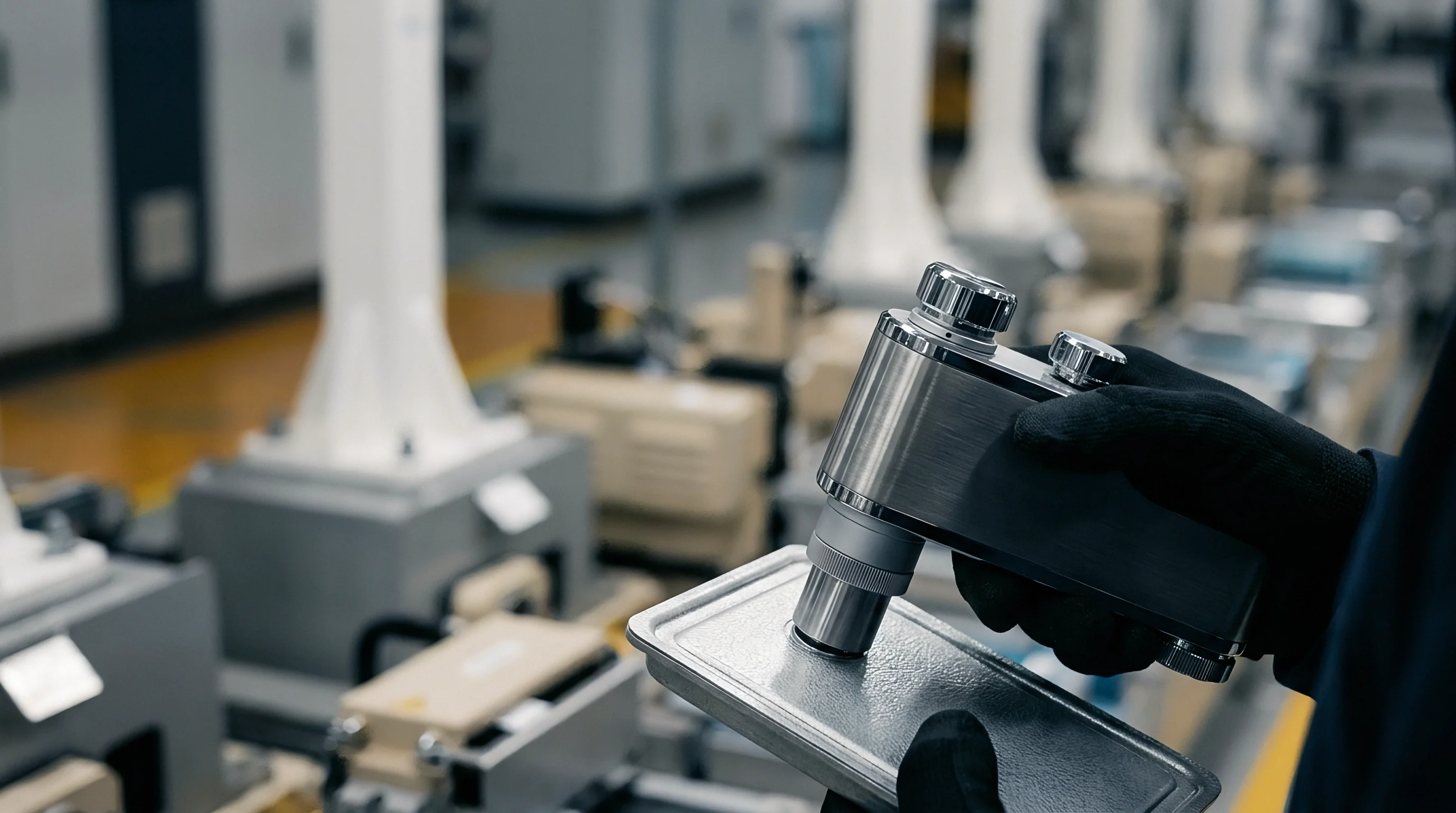
Automated detection hardware deployed in battery cargo spaces relies on sensor chemistries calibrated to identify parts-per-million levels of linear esters. Photoionization detectors use high-energy ultraviolet discharge lamps, usually rated at 10.6 electron volts, to ionize compounds with lower ionization thresholds. Dimethyl carbonate has an ionization potential of 10.5 electron volts, falling comfortably within the reach of standard krypton lamps, while diethyl carbonate and ethyl methyl carbonate ionize below 10.2 electron volts for higher relative response.
Non-dispersive infrared sensors target carbon-hydrogen stretching frequencies near 3.3 to 3.5 micrometers to monitor aliphatic ester vapors directly, using aspirated pumps to pull air continuously through multi-port manifolds distributed throughout the cargo volume.
| Sensor Technology | Lower Detection Limit | Response Time T90 | Primary Target Species | Power Draw Per Node |
|---|---|---|---|---|
| Photoionization Detector 10.6 eV | 0.1 ppm | 3 seconds | DMC, EMC, DEC | 1.2 W |
| Non-Dispersive Infrared 3.4 µm | 10.0 ppm | 15 seconds | Total hydrocarbons, C-H esters | 0.4 W |
| Metal Oxide Semiconductor | 1.0 ppm | 8 seconds | DMC, ethanol, methane | 0.8 W |
| Cavity Ring-Down Spectroscopy | 0.01 ppm | 45 seconds | Trace DMC, deuterated solvents | 85.0 W |
Metal oxide semiconductor sensors measure resistance shifts across a heated tin dioxide or tungsten trioxide surface as reducing gases adsorb onto the material. They provide high sensitivity at low cost, detecting dimethyl carbonate down to one part per million. However, humidity swings between forty and ninety-five percent during sea voyages alter baseline resistance, requiring active software compensation algorithms.
Photoionization lamps resist humidity changes but lose signal over long transits as salt spray deposits and window fogging accumulate, making periodic recalibration necessary.
Under Section 9 of IEC 62282, fixed aspirated photoionization nodes must register a tenfold jump over ambient hydrocarbon baselines within five seconds of solvent arrival at the sample inlet.
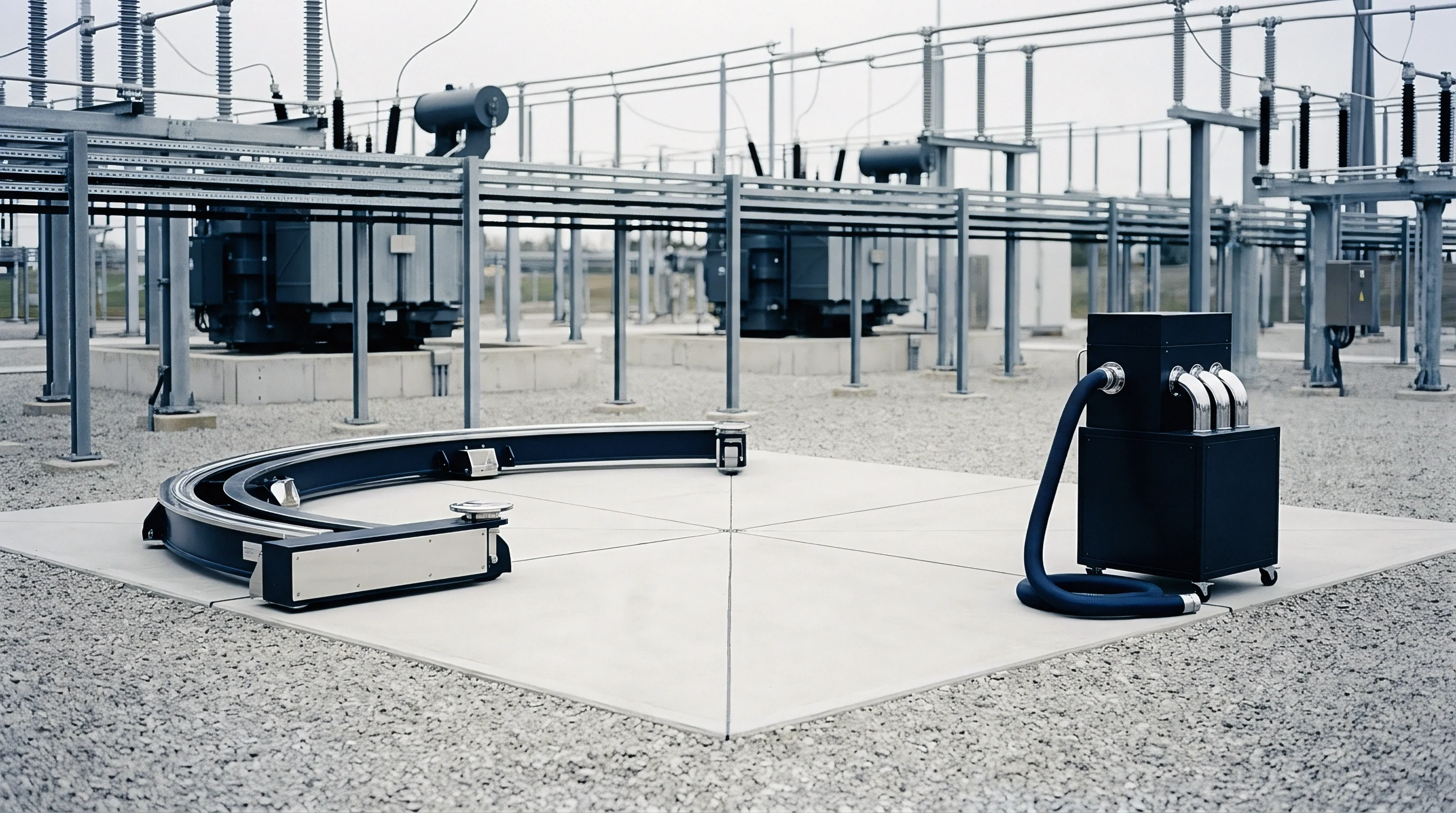
Analytical Architectures for Automated Air Sampling
Automated cargo protection relies on active aspirating pipe networks instead of passive diffusion badges. Vacuum pumps pull air from specific intake points placed across upper and lower tiers of a container bay. A single line can draw up to twenty liters per minute, pulling gas through particulate filters and coalescing moisture separators before passing it to the sensor chamber.
Multi-port valve manifolds switch sequentially across up to sixteen lines, preserving sensor lifespan while narrowing down which pallet row is outgassing. Setting the detection limit requires factoring in packaging dilution dynamics.

Quantification Limits under High Dilution Ratios
Vaporized electrolyte from a single vented 18650 cell releases roughly one to two grams of volatile solvents. Inside a standard sixty-seven cubic meter dry container, full dispersion of two grams of dimethyl carbonate yields an equilibrium concentration around 7.5 parts per million by volume. When internal pressure breaks hermetic seals and container ventilation provides two air changes per hour, peak transient concentrations drop below three parts per million within twenty minutes.
Systems set to trigger above ten parts per million miss these events entirely. Catching single-cell releases requires a lower quantification limit no higher than 0.5 parts per million at the intake port.
Setting detection limits too high leaves early cell failures unchecked until open flames generate high volumes of carbon monoxide. Setting them too low triggers false alarms, leading to unnecessary voyage delays and expensive container diversions.

Stowage
Packaging setups present substantial resistance to the spread of volatile organic compounds. Lithium-ion batteries shipped under UN 3480 or UN 3481 are packed to UN Packing Group II standards, resting in thermoformed trays or anti-static bags surrounded by inert cushioning like vermiculite or mineral wool inside 4G fiberboard or 4D plywood boxes. Stacked on pallets, wrapped in layers of polyethylene stretch film, and strapped down, these packages create a series of physical barriers that any solvent plume must pass through before reaching aisle sampling manifolds.
| Barrier Layer | Material Specification | Diffusion Delay Time | Concentration Attenuation |
|---|---|---|---|
| Primary Inner Wrap | 100 µm Polyethylene Bag | 42 minutes | 65 percent |
| Cushioning Matrix | Exfoliated Vermiculite 50 mm | 15 minutes | 20 percent |
| Outer Container | Double-Wall Corrugated 4G | 28 minutes | 45 percent |
| Pallet Overwrap | 23 µm Cast Stretch Film (5 layers) | 110 minutes | 85 percent |
Diffusion through five layers of stretch wrap alone can delay gas reaching ambient sensors by over two hours. Throughout this delay, heat from the failing cell conducts directly into neighboring cells. Vermiculite absorbs some of the polar carbonate molecules, softening the initial concentration peak.
Key physical factors governing sensor intake locations in containerized battery shipments include:
- Overpack permeability ratings determine how rapidly solvent molecules pass through outer fiberboard into the central cargo gangway.
- Vapor density differentials force evaporating dimethyl carbonate, which is three times heavier than air, toward the container deck floor during stagnant thermal conditions.
- Forced ventilation currents from marine refrigeration units alter buoyancy paths, carrying organic traces directly toward ceiling intake vents.
- Pallet stacking density creates tortuous diffusion channels that reduce passive gas velocity down to centimeters per minute.
Packing crews often stack containers tightly against end walls, closing off natural convective channels. When sensors are mounted only on ceilings, dense linear carbonate vapors settle unnoticed along the deck floor. Installing split-level aspirating manifolds with intakes at both floor and ceiling levels captures gas despite air stratification, ensuring the system operates reliably across varying states of charge.
Certified UN packaging is often assumed to contain all volatile components during early cell distress, but physical reality shows otherwise.
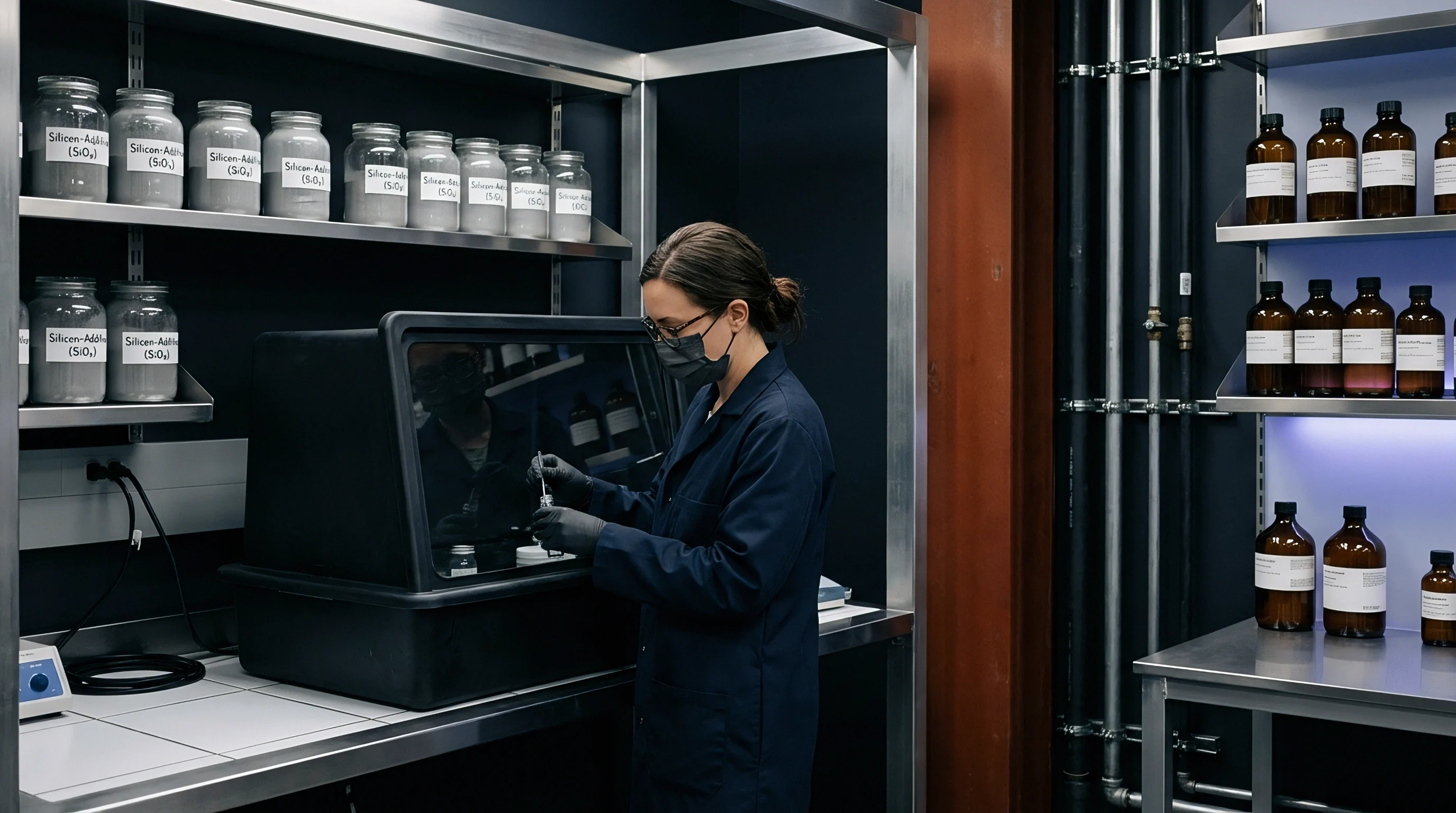

Interference
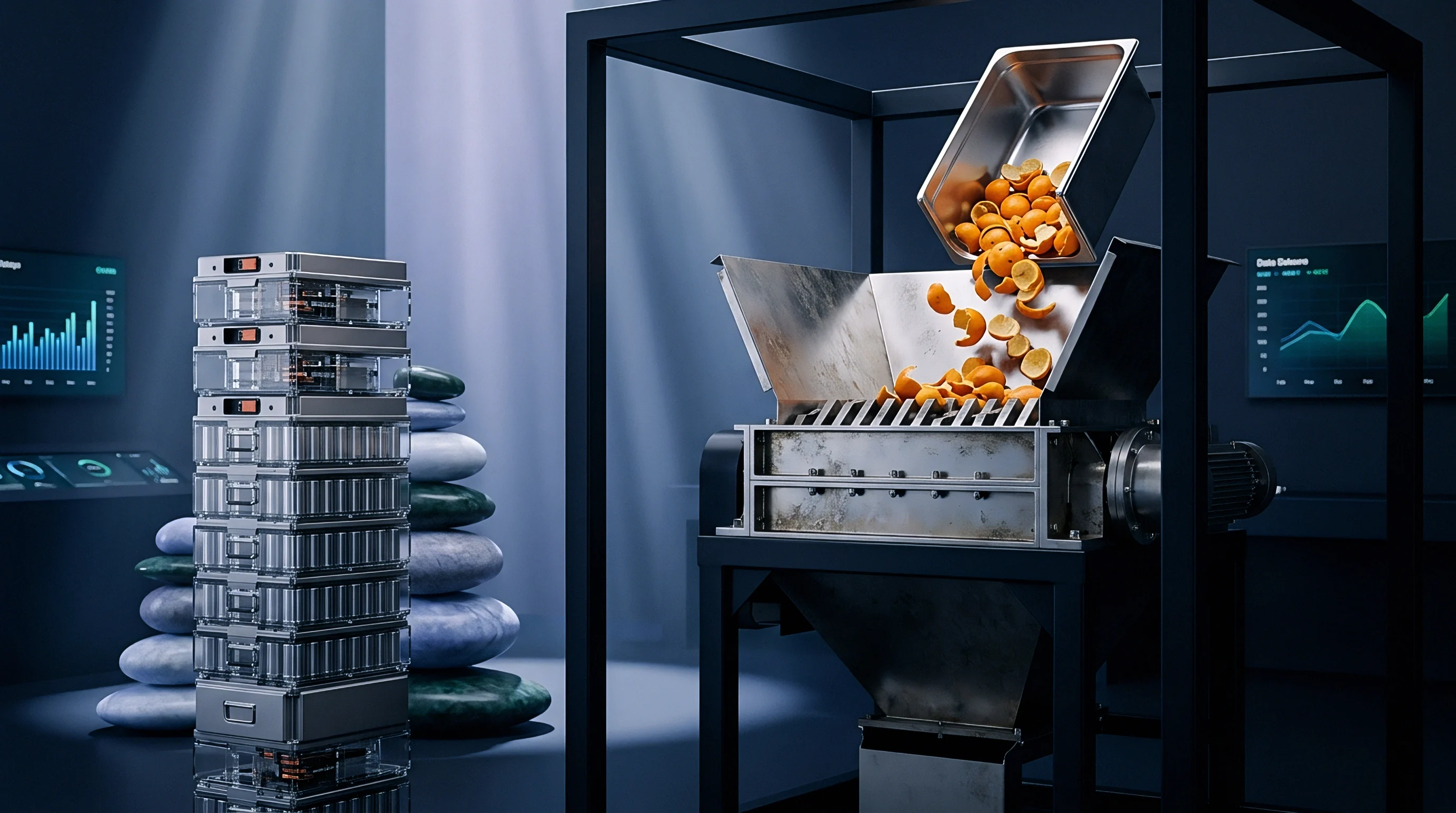
Automated gas monitoring must overcome background interference from non-battery volatile organic compounds common in freight spaces. Untreated pine and spruce pallets release significant alpha-pinene, beta-pinene, and limonene, especially in hot holds along equatorial routes. Adhesives and inks on corrugated boxes give off ethanol, ethyl acetate, and acetone, while stretch film slowly off-gasses low-molecular-weight oligomers and acetic acid.
Broadband photoionization detectors read these industrial vapors alongside linear carbonates, driving up background noise that can mask real venting or trigger false alerts.
A baseline volatile organic background of twelve parts per million isobutylene equivalent generated by cured timber pallets will blind an automated photoionization alert system set to a five parts per million trip threshold.
Background Contaminants in Maritime Freight
Cargo spaces carry complex chemical backgrounds from residual freight, cleaning chemicals, and fumigants like methyl bromide or sulfuryl fluoride, which cling to floorboards for months after quarantine treatments. These halogenated compounds alter metal oxide sensor resistance. Similarly, non-dispersive infrared sensors focused on the 3.4 micrometer band encounter spectral overlap between carbon-hydrogen bonds in target carbonates and ambient hydrocarbon soot from diesel exhaust.
Differential wavelength filtering helps isolate carbonate peaks from this background interference.
How Do Background Solvents Skew Cargo Line Alarms?
Selectivity is the main hurdle for automated monitoring hardware. When humid conditions cause ethyl acetate or ethanol from wet carton glue to spike above ten parts per million, single-channel detectors cannot separate those vapors from dimethyl carbonate. Dual-wavelength infrared sensors resolve this by checking the carbonyl stretch at 5.75 micrometers alongside the alkyl stretch at 3.4 micrometers.
Esters exhibit strong carbonyl absorption, separating them from simple hydrocarbons and wood terpenes. Combining photoionization detectors with selective electrochemical sensors offers further protection against false triggers.
Carbon monoxide sensors run alongside organic compound channels to cross-check readings. Failing battery cells emit carbon monoxide alongside carbonate vapors once temperatures exceed one hundred twenty degrees Celsius. Comparing organic vapor spikes against carbon monoxide levels removes over ninety percent of false alarms caused by packaging.
If organic readings jump while carbon monoxide stays flat, wood or adhesive off-gassing is the cause; if both rise together, a cell failure is in progress.
Under IMDG Code Chapter 7.1 dangerous goods rules, a confirmed sensor alert for toxic or flammable vapor requires immediate physical isolation of the container ~ a status that cannot be cleared without expensive offshore hazardous material intervention.

Dispatch
Setting operational alert limits requires balancing safety against commercial flow. Maritime and air transport standards increasingly mandate automated pre-shipment sniff tests before high-capacity battery shipments enter consolidation hubs. A container showing volatile organic compound levels more than two parts per million above ambient during pre-loading checks is held for physical inspection.
Thresholds must sit high enough above natural wood and adhesive background levels to prevent false rejections, yet low enough to catch early venting.
Pre-dispatch staging guidelines specify sampling periods of ten to thirty minutes based on container size and packaging density. Aspirating wands inserted through door gasket vent ports draw headspace air directly from the container interior. If gas chromatography or differential optical absorption detects dimethyl carbonate or ethyl methyl carbonate above 0.5 parts per million, the shipment dossier is flagged, prompting thermal imaging checks across outer pallets for hot spots.
Detecting linear carbonates confirms seal failure, disqualifying the consignment from standard Class 9 transport.
Special Provision 376 of the UN Model Regulations governs damaged or defective lithium cells. Batteries prone to rapid disassembly or thermal runaway require specialized explosion-containment packaging with integral pressure relief and flame arrestors. Shippers attempting to move pallets under standard Packing Instruction 965 or SP 188 face total loss of cargo insurance if an uncertified breached cell ignites in transit.
Off-gas detection limits form the clear line between standard transport and mandatory hazardous material remediation.
Carriers require thorough test documentation at handover, including verified logs of sampling duration, ambient baselines, calibration dates, and measured carbonate concentrations. Acceptance stops at 5 ppm. If a port gate sniffer triggers during drayage, the container is diverted to an isolated quayside staging area, with demurrage, inspection fees, and repackaging costs billed to the shipper based on sensor logs.
Calibrating these detection systems involves a delicate balance between analytical sensitivity and environmental noise across global shipping routes. Modeling how internal pallet diffusion impedance connects to early venting volumes under fluctuating container temperatures remains an open challenge for international standard-setting bodies.