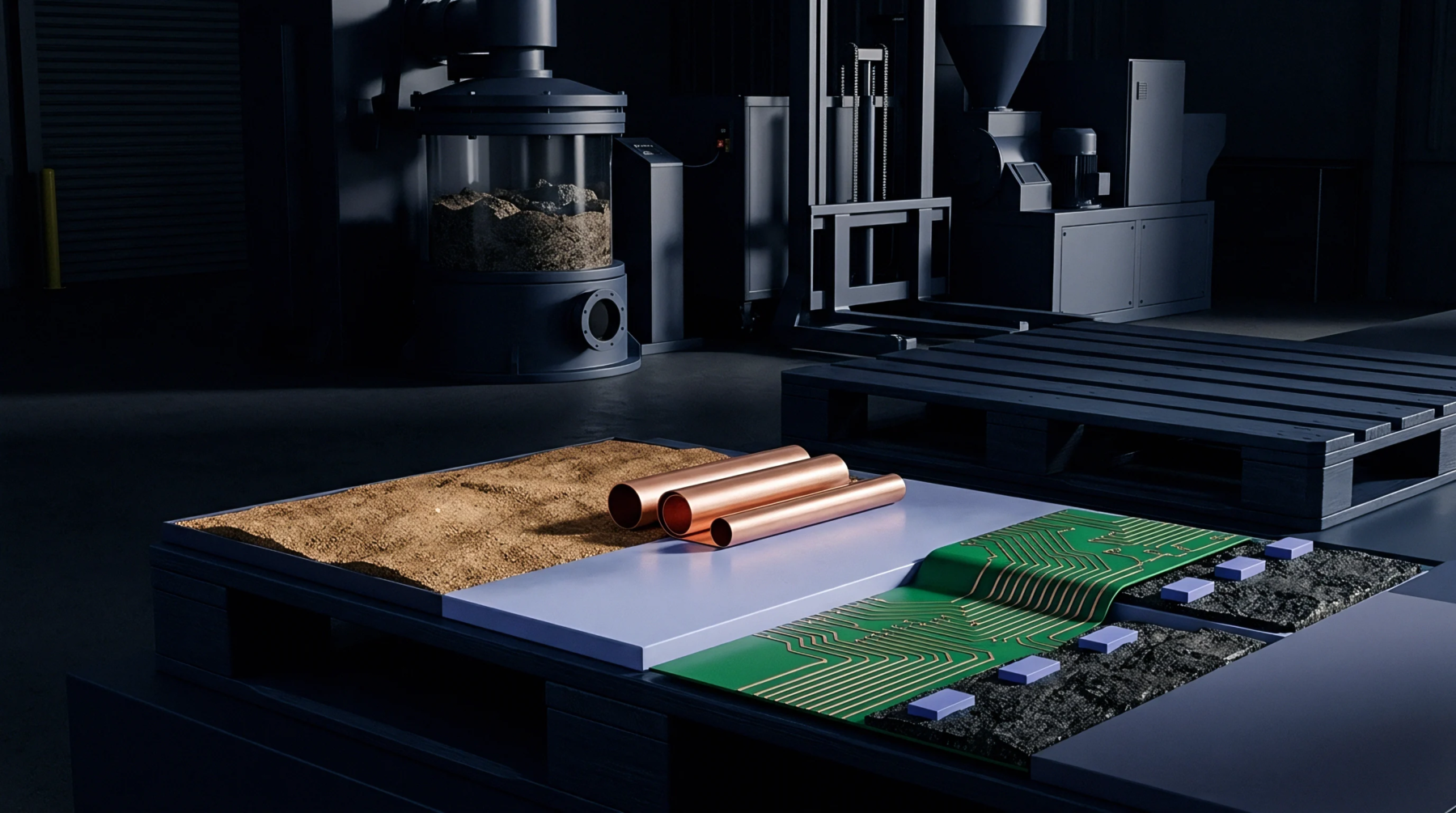
NMC against LFP for Duty Cycles That Never Rest
LFP outperforms NMC in non-resting duty cycles by maintaining lattice stability, eliminating continuous microcracking, and cutting cooling costs over 4,000 cycles.
Stationary electrochemical installations aggregate individual lithium ion or sodium ion cells into modular pack architectures designed to store and discharge electricity on demand. Commercial deployment of battery energy storage systems connects high voltage inversion hardware with thermal control units to stabilize utility frequency or store intermittent solar yield. The boundaries of this term exclude small consumer electronics and automotive traction packs that operate under distinct mechanical standards.
System boundaries extend from the physical cell terminals through the step up transformer connecting the plant to the local distribution grid. Performance ratings depend on round trip efficiency standards established by project finance agreements.
Balancing supply fluctuations across distribution networks requires rapid charge response times measured in milliseconds. Modern battery energy storage systems deliver grid support functions including dynamic voltage control and black start capabilities. Systems pair direct current batteries with bidirectional inverters to translate stored chemical potential into grid compliant alternating current.
Power conversion systems regulate internal module temperatures to prevent localized thermal acceleration during high rate discharge cycles. Utility operators dispatch these assets using automated signals derived from real time wholesale power markets. Transmission constraints often dictate maximum charge rates during peak renewable generation windows.
Secondary containment systems isolate high voltage power blocks to contain thermal runaways. Physical safety design isolates containerized module arrays with dedicated gas suppression systems and thermal barriers.
Revenue models for grid assets rely on degradation forecasting and cycle life metrics. Developers evaluate battery energy storage systems by calculating total lifetime energy throughput against upfront cell procurement costs. Auxiliary power consumption from continuous liquid cooling equipment directly impacts net plant efficiency.
Capacity guarantees enforce strict limits on depth of discharge to protect long term asset value. Financing terms demand third party verification of thermal management system reliability before commissioning. Insurance premiums hinge on cell chemistry choices and fire suppression compliance.
Supply contracts specify module replacement schedules to maintain rated plant capacity across ten year service windows.
Environmental operating conditions set strict limits on charge acceptance rates and safe operational windows. Operating battery energy storage systems below ambient freezing thresholds requires external heating loops to prevent lithium plating during charge cycles. Upper temperature limits trigger automatic derating to protect separator integrity and electrolyte stability.
Plant controllers disconnect high voltage busbars if module cell voltages drift beyond engineered threshold limits. Regulatory compliance requires continuous monitoring of off gas sensors inside container enclosures. Equipment end of life occurs when available storage capacity drops below eighty percent of initial nameplate rating.
LFP outperforms NMC in non-resting duty cycles by maintaining lattice stability, eliminating continuous microcracking, and cutting cooling costs over 4,000 cycles.
Expertise is a utility, not a secret. sentiention™ publishes its working knowledge as open reference: intelligence layer covering the materials it sources, the markets it enters, and the reference that serves both.