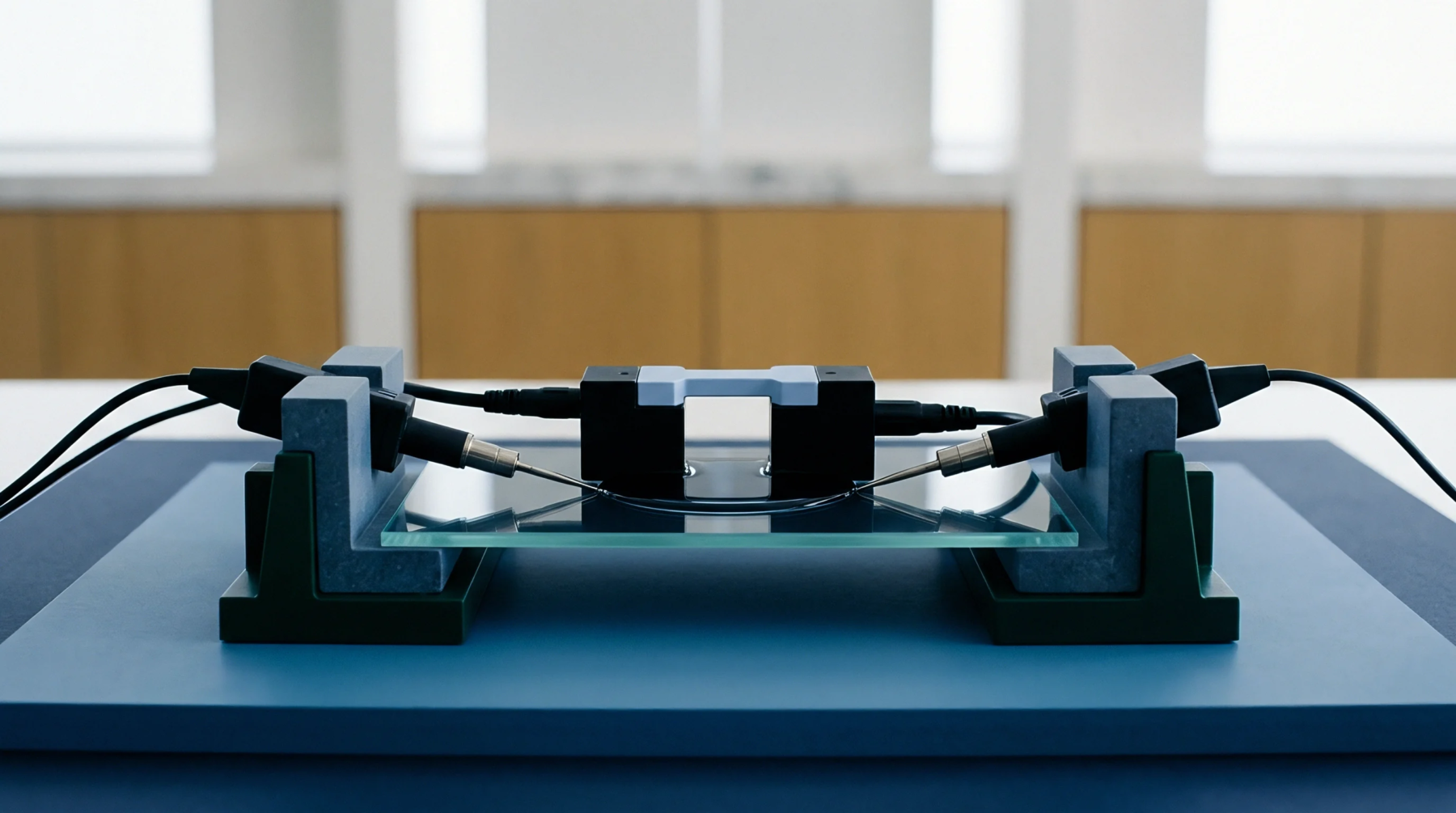
Meaning
Measurement precision defines the granularity at which a battery management system monitors the current relative to total capacity. High c-rate resolution allows the controller to detect minute shifts in load. Accurate readings ensure safety.
Control Sensitivity
Fine adjustments to the charging profile require data that captures small fractions of the total current. When a system achieves superior c-rate resolution, it can balance individual cells with greater speed and accuracy. This capability prevents overcharge conditions in high power applications like electric vehicles or grid storage.
Measurement Impact
Hardware limitations often dictate the smallest increment of current that the sensors can reliably report. Modern current sensors with improved c-rate resolution use digital filtering to remove interference from the power electronics. These components provide the steady stream of data necessary for thermal modeling and aging predictions.
System Boundary
Limits on the analog to digital converter performance determine the ultimate accuracy of the monitoring circuit. Because c-rate resolution is tied to the bit depth of the measurement system, lower resolution leads to errors in the calculation of remaining energy. Thermal drift in the shunt resistor can also degrade the signal quality during long duration discharge cycles.
The error accumulates over time and forces more frequent recalibration of the battery pack to avoid unexpected shutdown.