Meaning
This spatial metric defines the shortest distance through air between two conductive parts, representing the path where electrical arcing is most likely to occur. In high-voltage battery design, clearance distance determines the physical separation needed between terminals and grounded chassis parts to prevent dielectric breakdown. This geometric measurement does not apply to insulation through solid materials or along the surface of non-conductive bodies, which are governed by other safety standards.
Sourcing engineers use this parameter to size module housings and specify internal space budgets during pack integration.
Dielectric Prevention
High voltages can ionize the air between terminals, leading to destructive electrical arcs that damage cell components and cause fire hazards. The required spacing is calculated based on the maximum peak system voltage, atmospheric pressure, and expected pollution levels. Designing with generous clearances ensures that transient voltage spikes on the grid or from regenerative braking do not cause flashovers.
This parameter is verified using computer-aided design tools before committing to expensive molding or stamping tools.
Material Isolation
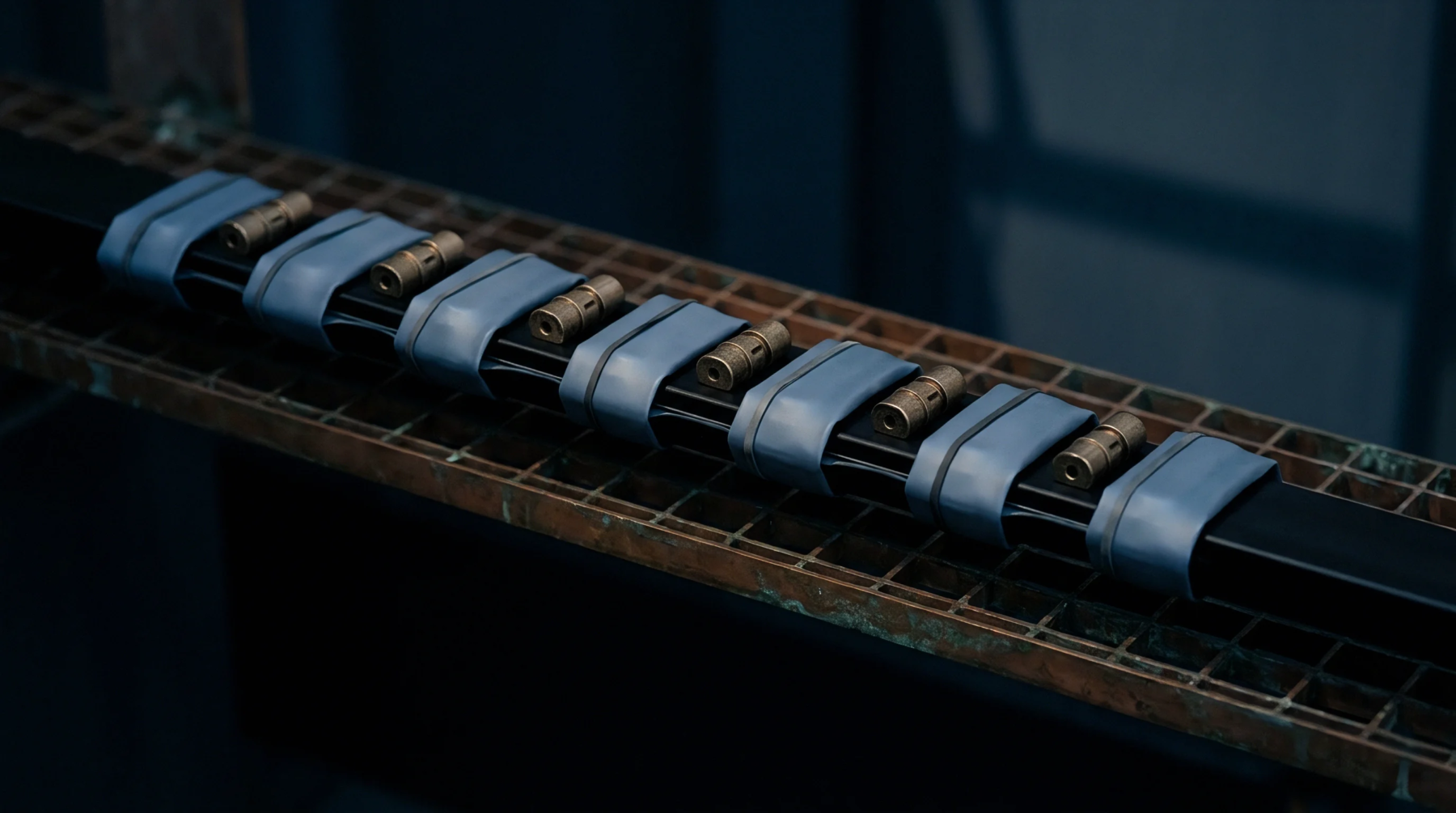
Where physical space constraints prevent adequate air gaps, non-conductive barriers or potting compounds are inserted between terminals. These insulative materials allow for closer terminal spacing while maintaining the required electrical isolation of the high-voltage system. Sourcing teams evaluate the thermal performance, flame retardancy, and costs of these insulative plastics during the design phase.
Choosing the right material grade ensures compliance with safety regulations without adding unnecessary weight to the battery pack.
Testing Verification
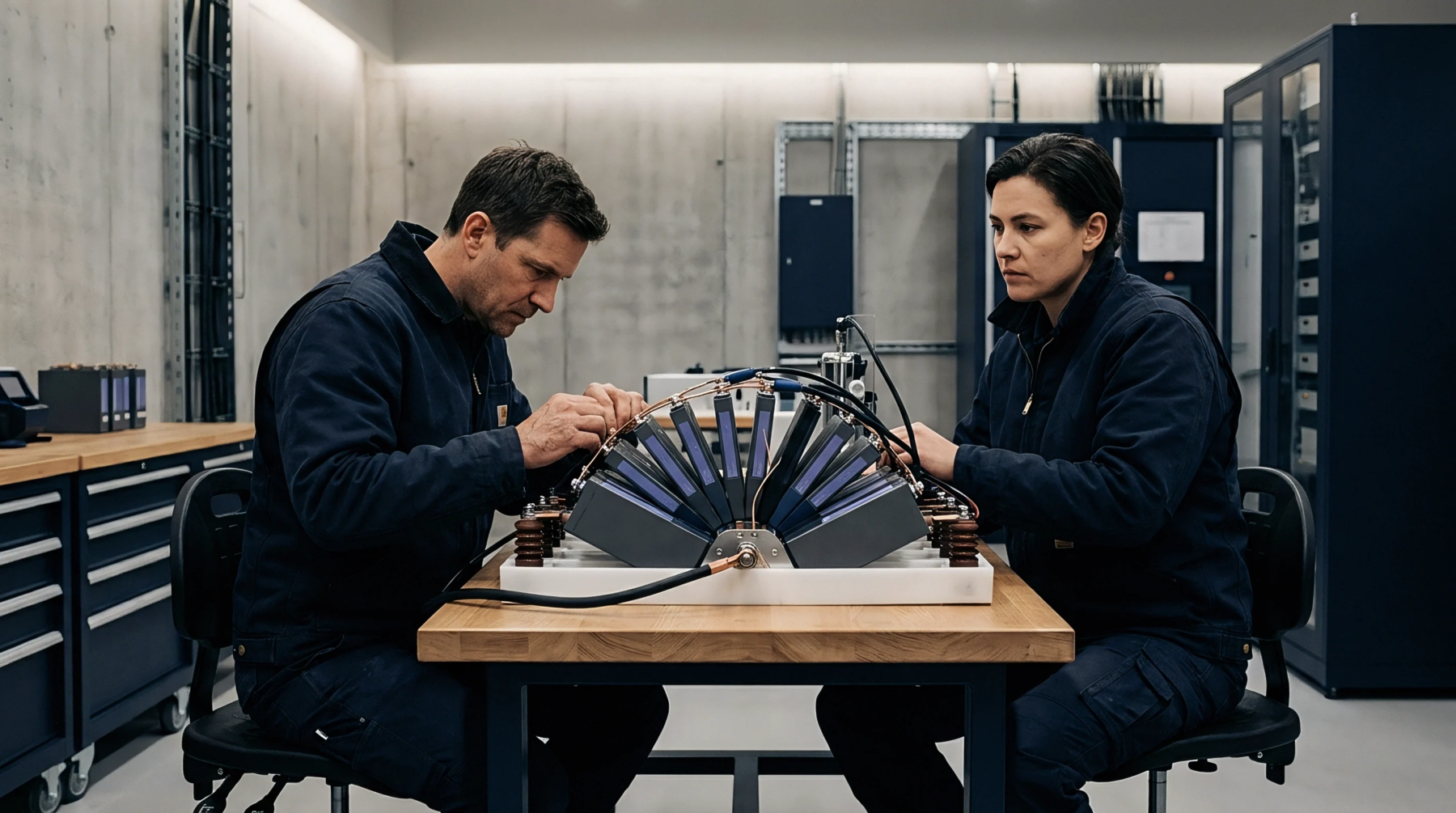
physical testing in environmental chambers verifies that the air gaps can withstand specified impulse voltages without breakdown. These tests simulate extreme conditions such as high humidity and low atmospheric pressure at high altitudes where arcing is more likely. If a design fails these tests, engineers must modify the module layout or increase the insulation barrier thickness.
Ensuring that the clearances meet regulatory standards is a mandatory step before shipping commercial battery packs.