Meaning
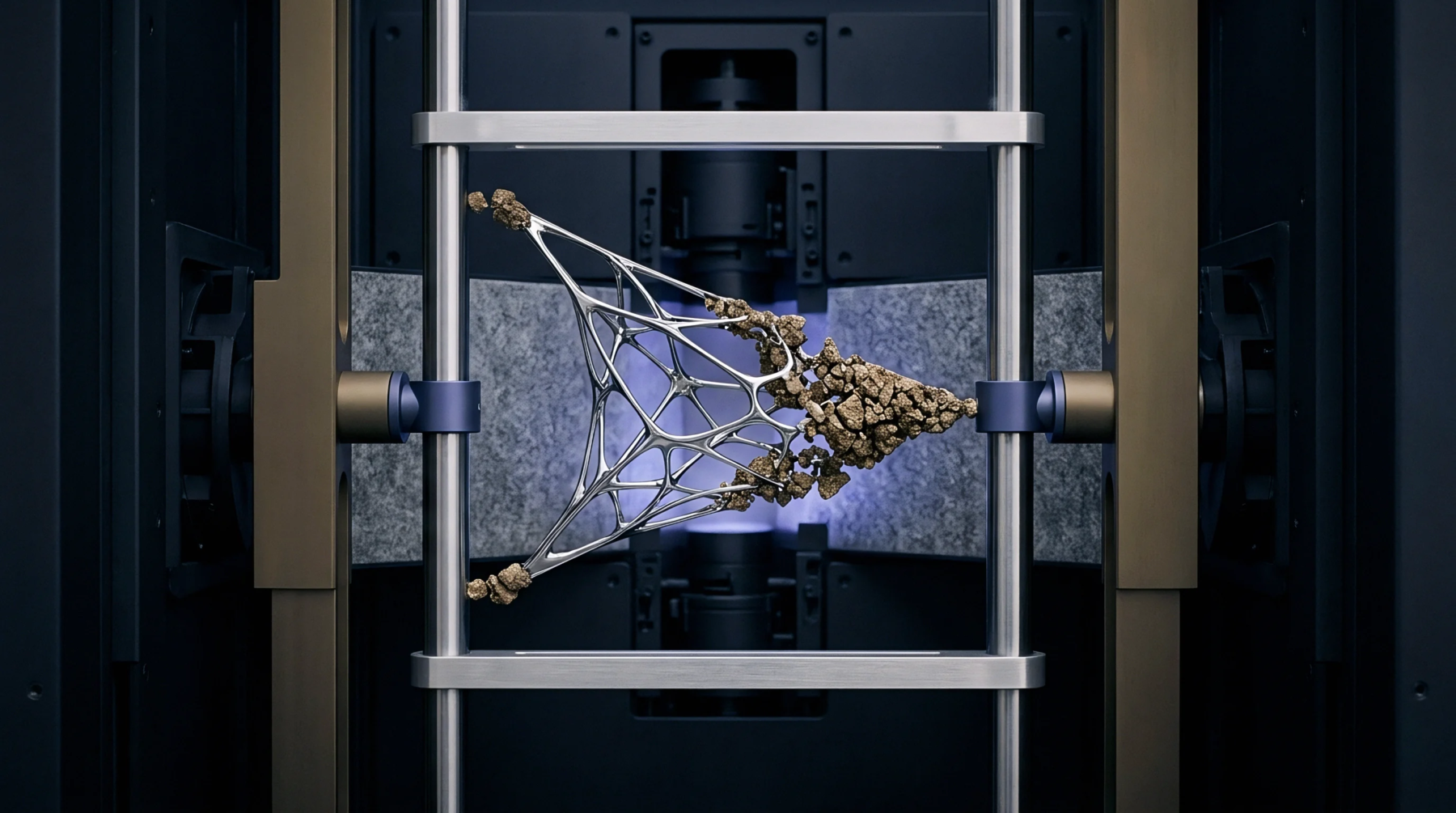
Localization of high mechanical stress at the sharp transitions and radii of a prismatic battery casing represents the critical factor in determining the structural integrity of the metal shell. Due to internal swelling, corner stress concentration develops as the flat walls of the cell bulge while the rigid corners resist movement. This uneven force distribution can lead to mechanical failure of the protective housing.
Mechanical Origin
Internal pressure pushes the flat faces of the metal container outward, creating a bending moment where the flat face meets the curved edge. In cases of corner stress concentration, the stress levels can exceed the yield strength of the aluminum alloy even when the average stress across the face remains low. This localized effect is influenced by the internal radius of the corner bend.
Failure Mode
Microscopic crack initiation occurs when the localized stress exceeds the fatigue limit of the aluminum casing after repeated charge and discharge cycles. Under these cyclic loads, corner stress concentration accelerates the growth of these defects until they penetrate the casing, allowing volatile solvent vapors to escape and moisture to enter. The loss of hermetic sealing leads to rapid electrolyte degradation and eventual cell failure, often without any initial external signs of swelling.
This behavior makes it a hidden risk that can cause sudden module shutdown during operation.
Design Mitigation
Finite element analysis guides the selection of the corner radius to reduce localized tension. Engineers optimize corner stress concentration by using variable wall thicknesses or stronger alloys.