Meaning
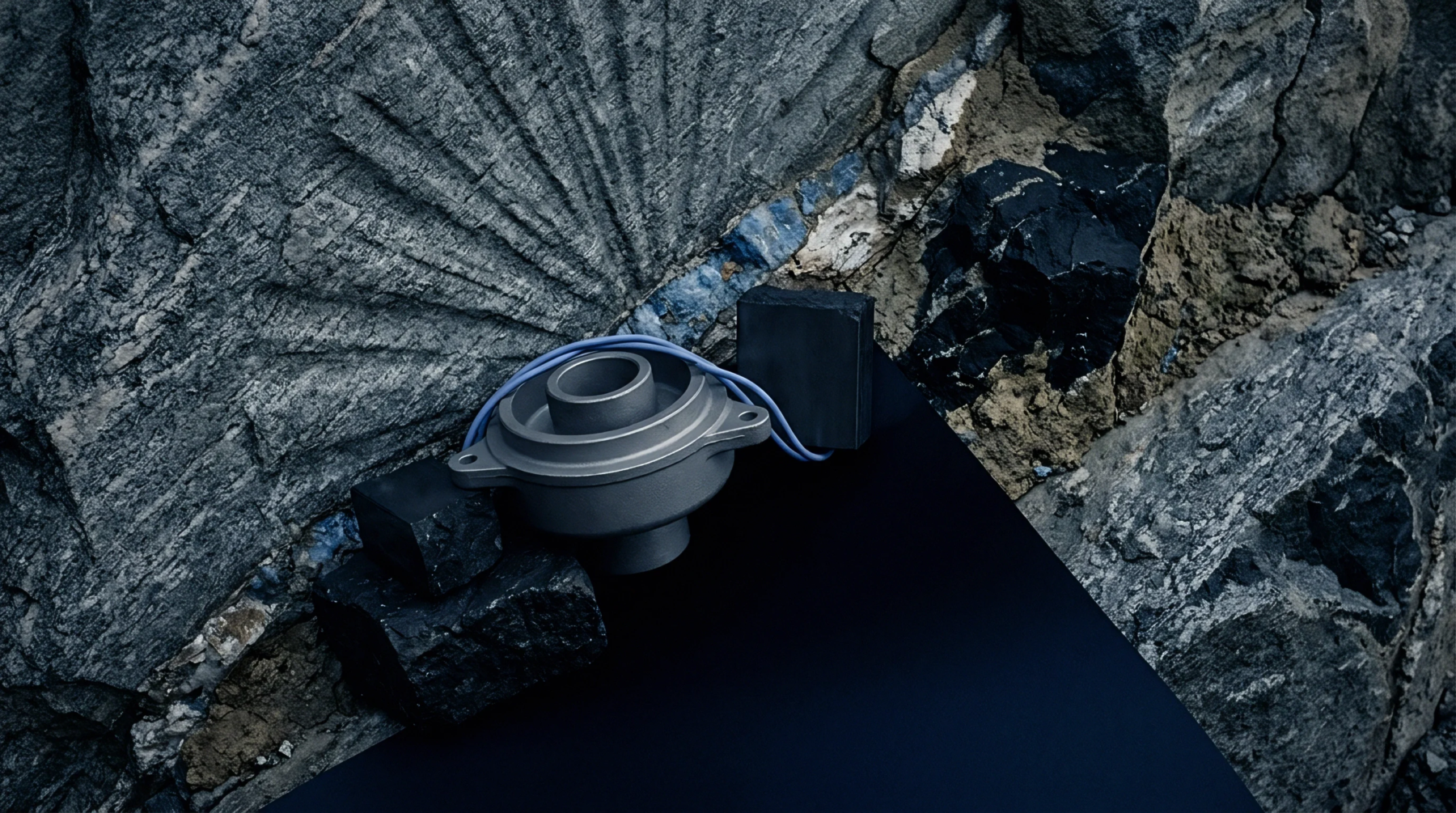
Mechanical safety component integrated into the header of a cylindrical cell disconnects the electrical path during an overpressure event. This current interrupt device functions as a pressure sensitive switch that physically breaks the circuit when internal gas buildup reaches a predefined limit. It governs the transition from an active electrochemical state to an inert open circuit to prevent a thermal runaway.
The device stops the flow of electricity permanently and cannot be reset once it has been activated. It applies specifically to sealed metal cans and is not found in pouch or prismatic formats that use different venting strategies.
Internal Pressure Activation
Gas evolution within the cell during an overcharge or extreme temperature event increases the force against the top seal. The current interrupt device responds to this physical pressure by deforming a metal disc that sits above the electrode assembly. As the disc moves upward, it snaps the weld that connects the positive terminal to the internal jelly roll.
This action immediately stops the movement of electrons and prevents further electrochemical heating. The design ensures that the circuit breaks before the pressure becomes high enough to cause the metal casing to rupture. Reliable activation depends on the precision of the weld strength and the thickness of the diaphragm.
Manufacturers calibrate these mechanical parts to trigger within a narrow window of atmospheric pressure.
Permanent Fault Isolation
Activation of the safety switch results in a dead cell that shows zero volts at the external terminals. While the current interrupt device protects the individual unit from exploding, it creates an open circuit that can affect the entire battery pack. In a series string, a single triggered device stops the current for every other connected cell.
Parallel configurations might see a sudden shift in load to the remaining healthy cells which increases the risk of further failures. This permanent isolation is a intended design feature that prioritizes safety over continued operation. Once the path is broken, the cell can no longer contribute to the power output of the device.
Identifying the failed unit requires measuring the voltage of each cell to find the one with an infinite resistance.
Cylindrical Format Limitation
Structural requirements for the pressure disc limit the use of this technology to rigid circular housings. Because the current interrupt device relies on a sealed environment to build up the necessary trigger force, it is not compatible with flexible pouch designs. The boundary of its effectiveness is also reached in very large prismatic cells where the pressure distribution is uneven.
Small form factors like eighteen six fifty cells are the most common application for this mechanical protection. Engineers must account for the added height and weight of the header assembly when designing the battery pack. Alternative safety systems like thermistors or electronic fuses are used in applications where the mechanical interrupt is not feasible.
The presence of this component is a requirement for many international transport safety certifications.