Meaning
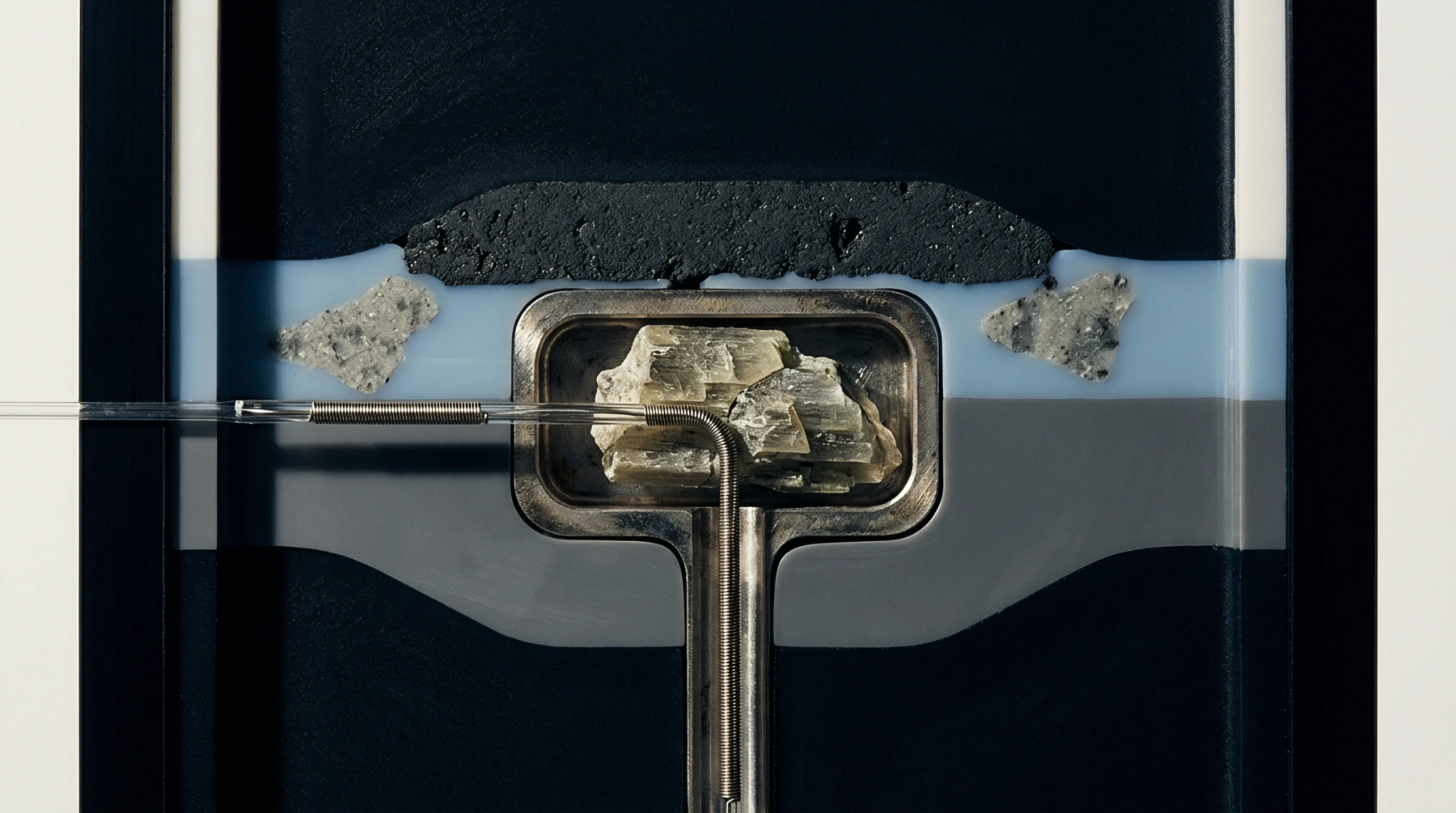
Mechanical integrity analysis quantifies the bond strength between a thin film coating and its metallic current collector foil within a lithium ion battery cell. Electrode adhesion testing measures the peeling force required to delaminate the active material layer from the substrate under controlled laboratory conditions. This procedure determines if the binder chemistry maintains contact during the volumetric expansion cycles of repetitive charging.
Peel Strength
Researchers utilize a motorized tension gauge or universal testing machine to pull a standardized adhesive strip away from the coated surface at a constant velocity. Precise load cells capture the resistance offered by the binder network as the material separates from the aluminum or copper interface. High values indicate a robust slurry formulation capable of resisting physical stress, while low results predict early delamination that interrupts internal electron pathways.
Production Quality
Quality control departments rely on this metric to detect variability in drying oven temperatures or variations in the coating thickness across a continuous manufacturing line. Consistent force levels confirm that the solvent evaporation process did not produce micro-fractures in the crystalline structure of the electrode. Sudden dips in the measured bond energy often warn of contaminated raw materials or improper slurry rheology that will lead to catastrophic internal short circuits inside the finished battery pack.
Process Limit
Mechanical failure modes occurring during these trials reflect the cohesive strength of the active particle matrix rather than the actual interfacial bond to the metal current collector. Testing parameters including the pull angle, substrate surface roughness and binder polymer weight dictate the repeatability of the collected data points. Standards governing this verification remain essential for predicting how different battery chemistries handle the physical strain of high rate discharge.