Solid Electrolyte Interphase Interfacial Transport Dynamics under Sacrificial Sodium Preloading in Hard Carbon Anodes
Sacrificial sodium preloading compensates hard carbon initial capacity loss, lowering desolvation resistance when inorganic sodium fluoride inner films dominate.

Salt

Mechanisms of Sacrificial Ion Donation
Disordered carbon materials incur substantial active alkali-metal consumption during preliminary polarization steps, as structural turbostratic graphene domains, localized crystal lattice defects, and unorganized micropores lock up migrating sodium ions during initial cell charging. Baseline initial coulombic efficiency values for uncompensated hard carbon negative electrodes fall between sixty-five percent and eighty percent. This deficit leaves significant usable cathode capacity unexploited, directly degrading volumetric energy density across completed pack assemblies.
Sacrificial chemical additives blended directly into the positive electrode formulation break down irreversibly during preliminary cell charge cycles. Compounds such as disodium squarate, disodium rhodizonate, disodium croconate, and sodium oxalate decompose completely within specific voltage windows spanning 3.2 V to 4.2 V versus sodium reference potential. The chemical oxidation of disodium squarate liberates two sodium ions along with gaseous carbon monoxide, leaving minimal solid mass residue inside the cathode matrix, while disodium rhodizonate decomposes at lower potentials that suit sensitive polyanion cathode chemistries.
Sacrificial sodium squarate addition at three weight percent increases initial cell coulombic efficiency from seventy-eight percent to ninety-seven point five percent under first-charge rates of C over ten at thirty degrees Celsius.
Quantifying additive loading requires precise stoichiometry to balance the irreversible capacity of the hard carbon anode. Consider a 150 Ah sodium-ion cell utilizing hard carbon with a baseline initial coulombic efficiency of 78 percent: without preloading, the cell forfeits 33 Ah of active sodium to surface defect saturation and passivation layer formation. Incorporating 3.2 weight percent disodium squarate into the positive electrode slurry liberates 34.5 Ah of supplementary sodium ions at 3.75 V versus sodium.
This excess ion flux offsets initial defect loss, raising practical first-cycle efficiency to 98.1 percent while maintaining nominal stoichiometric balance inside the cathode active material.
Alternative chemical presodiation approaches use direct-contact reagents prior to cell assembly, such as sodium naphthalenide solutions or molten metallic sodium treatments. While rapid, these direct chemical methods introduce safety hazards, extra solvent extraction steps, and strict dry-room requirements. By contrast, cathode-side sacrificial additives run through standard electrode mixing and coating lines without requiring dedicated solvent washing machinery.
Secondary gas expansion during powder blending usually traces to ambient humidity contamination rather than incomplete additive decomposition during preliminary formation.

Interphase

Inorganic Structure and Chemical Composition
Passivation layers formed on non-graphitic carbon anodes govern long-term electrochemical stability and self-discharge rates, with film structure influenced by cell formation temperature. The chemical composition of the solid electrolyte interphase shifts when sacrificial preloading compounds decompose during initial charging. Rapid oxidation of sacrificial sodium salts creates a high local concentration of sodium ions and reactive radical fragments at the electrode-electrolyte interface, altering native electrolyte reduction pathways to favor the precipitation of dense inorganic salt species over fragile organic oligomers.
High inorganic concentrations of sodium fluoride, sodium oxide, and sodium carbonate aggregate directly adjacent to the hard carbon surface, creating a compact inner passivation layer, while polymeric sodium alkyl carbonates and organic carboxylates form a flexible outer layer facing the bulk liquid electrolyte. Fluorinated electrolyte additives like fluoroethylene carbonate decompose concurrently with sacrificial sodium salts to build a dense sodium fluoride inner matrix, providing mechanical rigidity and preventing continuous solvent electron tunneling during extended thermal storage.
| Additive Compound | Decomposition Window (V vs Na/Na+) | Primary Gas Byproduct | Dominant Inner Layer Species | Interfacial Ionic Conductivity (S/cm) |
|---|---|---|---|---|
| Disodium Squarate (Na2C4O6) | 3.50 to 3.90 | Carbon Monoxide | Sodium Carbonate, Polymeric Alkyls | 2.4 x 10^-7 |
| Sodium Oxalate (Na2C2O4) | 3.80 to 4.25 | Carbon Dioxide | Sodium Carbonate, Sodium Oxide | 1.1 x 10^-7 |
| Disodium Rhodizonate (Na2C6O6) | 3.20 to 3.65 | Carbon Monoxide | Sodium Fluoride, Organic Carboxylates | 4.8 x 10^-7 |
| Sodium Azide (Na3N) | 3.60 to 4.00 | Nitrogen | Sodium Nitride, Sodium Fluoride | 8.2 x 10^-7 |
Sacrificial preloading alters the thickness and density distribution of the interphase layer. Where uncompensated hard carbon forms thick, non-uniform organic films through continuous solvent decomposition across initial cycles, sacrificial preloading accelerates passivation so that film growth completes during the first charge step. These thinner interphase layers shorten overall ion diffusion paths while mitigating active electrolyte depletion inside the cell canister.
Compliance with IEC 62660-2 battery cell qualification requires mandatory degassing documentation before final hermetic sealing when active sacrificial presodiation reagents are specified.
Chemical breakdown of oxocarbon additives produces transient carbon radical intermediates that scavenge trace moisture and free acid species in the liquid electrolyte. This suppresses hydrofluoric acid formation and protects the cathode active surface from transition metal dissolution. Standard procurement contracts for energy storage cells mandate strict batch-level limits on dissolved gas volume, forcing cell integrators to implement extended high-temperature vacuum aging steps before accepting delivery.


Transit
Which Interfacial Parameters Govern Desolvation Kinetics?
Solvent stripping at the liquid-solid boundary constitutes the rate-limiting step during high-current charging cycles, requiring substantial thermal activation to shed the primary solvation sheath ~ composed of cyclic and linear carbonate molecules ~ before migrating sodium ions can enter the solid inorganic interphase. Sacrificial preloading shifts the chemical structure of the film toward inorganic sodium fluoride and sodium oxide, lowering the thermodynamic activation energy barrier for sodium ion desolvation from 58 kJ/mol down to 34 kJ/mol.
Ion migration across the solid interphase occurs via point defect hopping and grain boundary diffusion. Crystalline sodium fluoride domains contain localized Schottky defects that facilitate sodium cation transit under an applied electric potential. Films with higher inorganic ratios reduce charge transfer resistance at the anode interface from 120 ohms square centimeters down to 25 ohms square centimeters at room temperature, preventing severe concentration polarization during high C-rate charging operations.
Inorganic fluoride rich passivating layers accelerate alkali ion transfer by lowering the thermodynamic activation barrier during solvent stripping.
Temperature dependence studies reveal that preloaded hard carbon electrodes maintain ion transport down to negative twenty degrees Celsius without triggering metallic sodium deposition. Lower desolvation overpotentials keep the local negative electrode potential above zero volts versus sodium reference during fast-charging pulses, eliminating dendrite growth risks and preventing catastrophic internal short circuits.
Electrochemical impedance spectroscopy models decompose transport kinetics into bulk electrolyte resistance, surface film diffusion resistance, and interfacial charge transfer resistance. Preloaded cells display smaller, compressed high-frequency Nyquist arcs compared to baseline cells, reflecting lower total interphase impedance that reduces internal resistive heating during continuous cycling. Whether ultra-high flux preloading induces microstructural defect healing within hard carbon closed nanopores or merely saturates surface functional sites remains an unresolved debate among diagnostic specialists.

Swell
Deformation and Gas Generation Modes
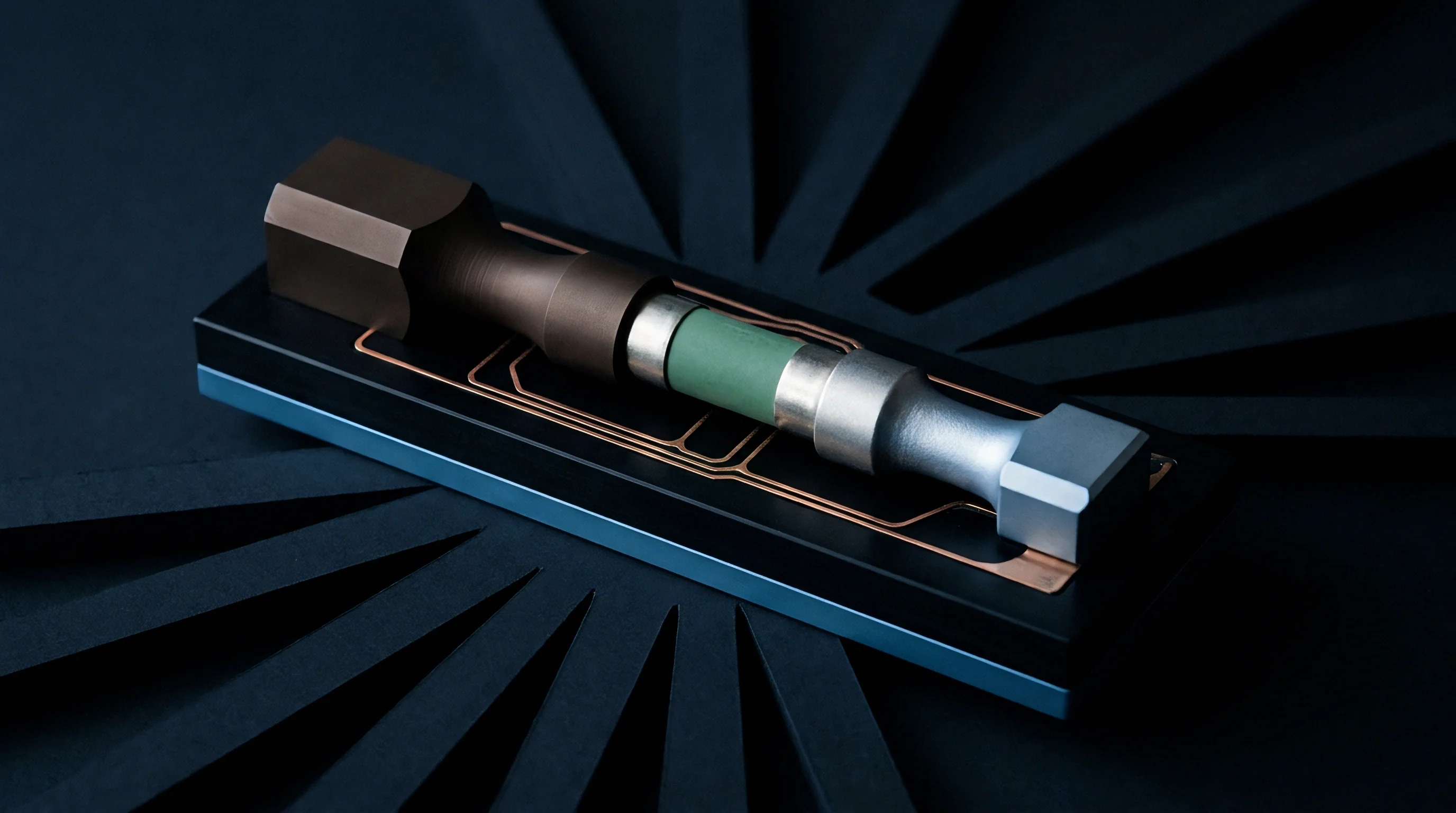
Volumetric changes inside disordered carbon structures remain modest compared to silicon or metallic alloy matrixes, with hard carbon exhibiting isotropic volume expansion between two percent and five percent during full sodiation. Rapid chemical decomposition of sacrificial additives injects high concentrations of sodium ions into the carbon lattice over short timeframes, generating localized micro-strain near particle surfaces. This strain can induce micro-cracking in non-uniform carbon particles, exposing fresh surfaces to liquid electrolyte late in the formation cycle.
Gaseous byproducts generated during sacrificial salt oxidation include carbon monoxide, carbon dioxide, and nitrogen gas, depending on the chosen additive compound. This gas generation creates internal pressure inside pouch or prismatic cell structures during formation. Trapped gas bubbles between electrode layers block local ion diffusion channels, causing localized current hot spots and non-uniform passivation film growth.
- Gaseous pocket trapping within electrode macropores starves local carbon particles of active liquid electrolyte, producing non-uniform current distribution.
- Localized sodium precipitation occurs when rapid additive decomposition over-saturates the interfacial boundary layer prior to ion intercalation.
- Current collector delamination develops when rapid gas expansion exerts perpendicular shear forces against the conductive binder interface.
- Microstructural pore blockage results from precipitate accumulation when sacrificial decomposition fragments react with bulk solvent species.
Electrode formulations accommodate volume variations through optimized polymeric binder networks. Cross-linked sodium carboxymethyl cellulose and polyacrylic acid binders sustain mechanical contact between carbon particles and conductive carbon black networks under localized presodiation strain, preventing binder degradation and maintaining electron percolation paths throughout extended cycling.
Excessive local current density during sacrificial salt oxidation triggers uncoordinated ion migration that ruptures fragile passivation structures.
Controlled degassing protocols applied during initial cell formation remove accumulated gaseous oxidation products, with automated vacuum sealing stations extracting gas volumes before final pouch sealing. Uncontrolled gas retention within electrode pores drives localized delamination between the carbon coating and current collector, causing severe impedance growth and early thermal runaway during rapid charge testing.

Proof

Diagnostic Protocols and Quantitative Verification
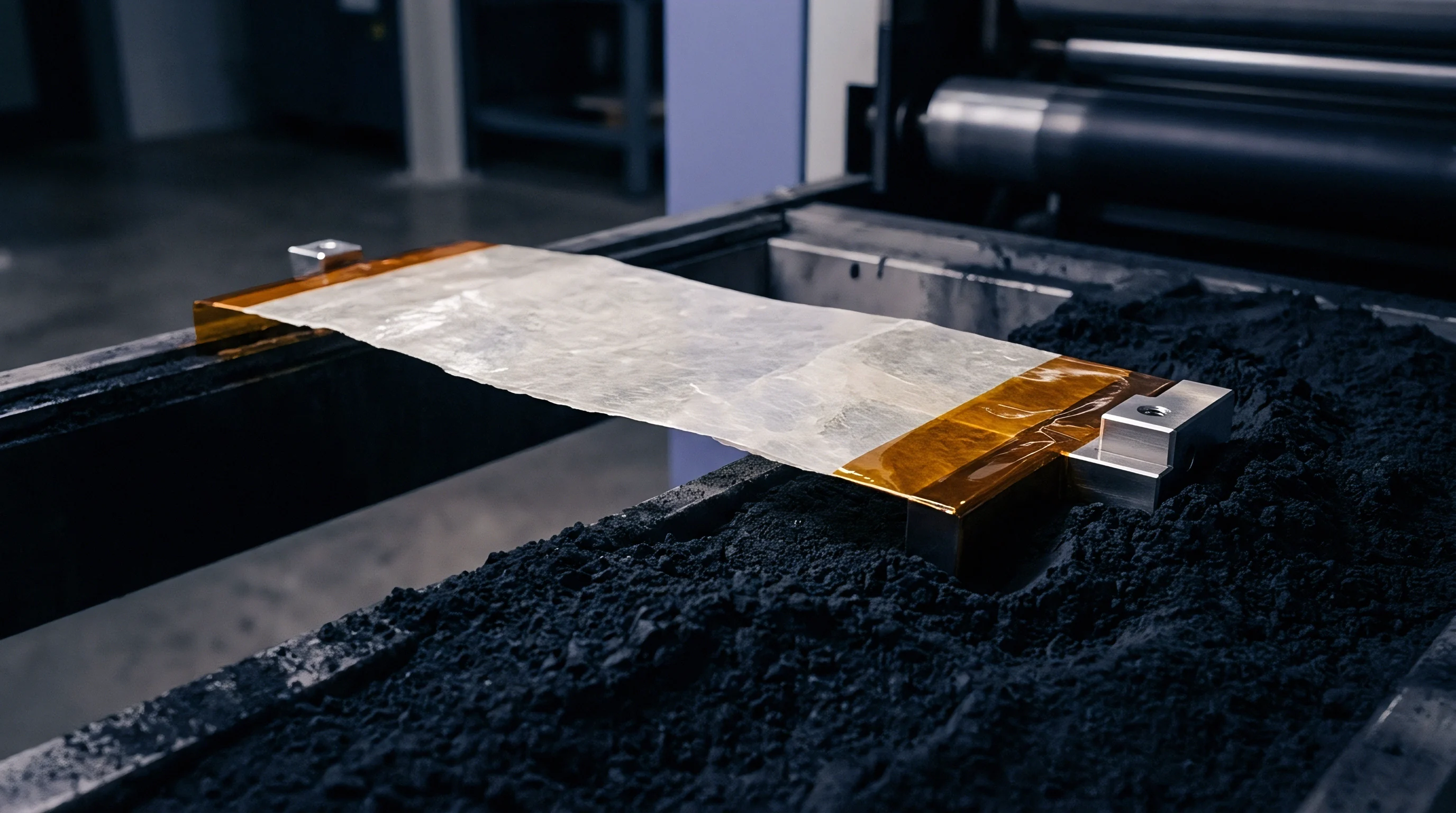
Analytical techniques isolate active sodium consumption from parasitic solvent breakdown during cell screening. Quantifying presodiation effectiveness relies on multi-frequency impedance spectroscopy combined with differential capacity analysis. Differential capacity curves show distinct oxidation peaks corresponding to the precise breakdown voltage of sacrificial additives, allowing quality engineers to confirm complete additive conversion during initial formation steps.
Inductively coupled plasma optical emission spectroscopy measures active sodium content inside harvested negative electrodes to confirm theoretical preloading levels, provided electrodes are harvested inside dry-room environments to prevent air exposure artifacts. Analytical titration of the harvested hard carbon then confirms the ratio of reversibly intercalated sodium versus sodium locked inside insoluble interphase species.
- Connect the newly filled sodium-ion cell to a temperature-controlled test channel maintained at twenty-five degrees Celsius.
- Apply a constant current charge at C over twenty until reaching the sacrificial additive breakdown voltage threshold.
- Hold constant voltage potential until oxidation current drops below C over one hundred to achieve complete salt oxidation.
- Perform high-vacuum degassing at negative eighty-five kilopascals to remove carbon monoxide and nitrogen gaseous byproducts.
- Record electrochemical impedance spectra across a frequency spectrum from one hundred kilohertz to ten millihertz.
Impedance measurements validate interphase stability over extended storage periods. Stable passivation films maintain consistent charge transfer resistance values during elevated temperature storage tests at sixty degrees Celsius, whereas rising charge transfer resistance indicates ongoing parasitic electrolyte reduction and interphase thickening.
| Diagnostic Parameter | Measurement Condition | Target Value Range | Defect Indication |
|---|---|---|---|
| First Cycle Coulombic Efficiency | 0.1C Rate at 25°C | 95.0% to 98.5% | Incomplete Preloading or Excessive Parasitic Reaction |
| Charge Transfer Resistance (Rct) | 100 kHz to 10 mHz EIS | 15 to 35 ohm cm^2 | Thick Polymeric Interphase or Poor Desolvation |
| Gas Volume Release | Post-Formation Degassing | 2.5 to 4.0 mL/Ah | Incomplete Degassing or Solvent Decomposition |
| Differential Capacity Peak Width | dQ/dV at 0.05C Rate | 30 to 50 mV FWHM | Inhomogeneous Additive Powder Dispersion |
| Diagnostic metrics established under standard cell manufacturing environmental conditions of negative forty degrees Celsius dew point. | |||
Quality control protocols integrate differential voltage analysis to monitor individual phase transitions within the hard carbon anode. Normalizing peak positions across production lots ensures consistent active sodium loading and verifies that zero metallic sodium accumulation occurs, while a steady imaginary impedance response at low frequencies confirms stable passivation without ongoing solvent reduction.
Margin

Commercial Yield and Balance Sheet Consequences
Integrating sacrificial sodium additives into cathode formulations changes manufacturing economics across cell production lines. Although cathode additive compounds increase raw slurry material costs by four to nine percent per kilogram, yield improvements and capacity gains offset these initial material expenses by expanding usable cell capacity without requiring additional carbon or collector foil mass.
Manufacturing cost analysis illustrates the practical economic impact. Consider a 10 MWh production lot of prismatic sodium-ion cells utilizing hard carbon anodes. Baseline manufacturing yields 82 percent Grade A cells due to broad capacity distributions driven by uncompensated initial capacity loss.
Incorporating 3 weight percent disodium squarate increases slurry raw material cost by 1,200 USD per MWh, while degassing capital expenditure and extended formation times add 800 USD per MWh. However, usable cell capacity rises by 21 percent per unit and Grade A cell yield increases to 94 percent due to tighter capacity grouping. As a result, total landed cost per usable kWh drops from 81.50 USD to 72.10 USD across the production run, delivering a net cost reduction of 9.40 USD per delivered kWh over the cell lifetime.
- Slurry mass balancing requires exact stoichiometric loading calculations to avoid unreacted sacrificial salt residue within the cathode matrix.
- Degassing chamber capacity scales directly with total gas release volumes during preliminary high-voltage formation steps.
- Grading tolerance windows shrink significantly when preloading normalizes first-cycle coulombic efficiency variations across manufacturing batches.
- Warranty reserve calculations incorporate reduced impedance growth rates achieved through inorganic-rich passivation film formation.
Procurement teams evaluate sacrificial preloading options based on energy density gain per dollar spent. Processing costs scale with degassing dwell times and vacuum chamber footprint, so higher formation throughput minimizes unit landed cost ~ making lower-temperature decomposing additives commercially advantageous for high-volume gigafactories.
Long-term warranty liabilities decrease when preloaded cells demonstrate low impedance growth during field operation, as reduced internal heat generation extends operational pack life in stationary storage installations. Consequently, cell buyers establishing multi-megawatt procurement agreements negotiate pricing adjustments directly against verified coulombic efficiency figures and formation degassing inspection records.