Meaning
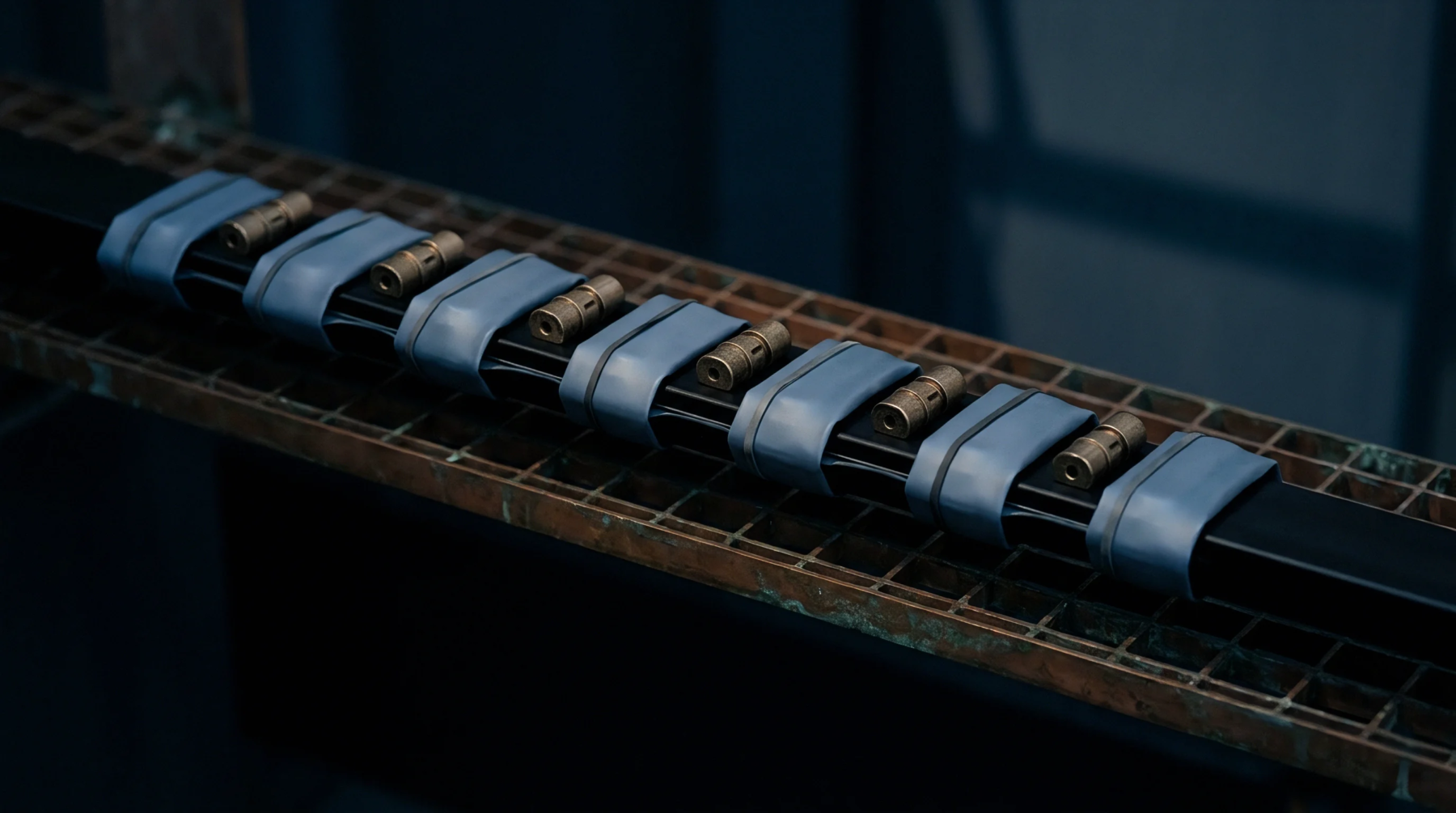
These electrical conductive pathways connect multiple cell groups in series or parallel to aggregate low-voltage cells into a high-voltage battery system. In cell sourcing, high voltage interconnects must provide low-resistance, high-strength connections that can withstand the physical forces of vehicle vibration. This structural definition does not apply to low-voltage signal wires used for cell balancing or temperature monitoring in the pack.
Sourcing these components involves evaluating their current-carrying capacity, weight, insulation properties, and compatibility with automated welding lines.
Design Configurations
Engineers select from a variety of metal sheets, flexible braided straps, or laminated busbars depending on the pack packaging and flexibility needs. Flexible interconnects are often used to reduce mechanical stress on cell terminals caused by vibration and thermal expansion during use. Rigid busbars are preferred for compact, high-density modules where space is limited and assembly is highly automated.
The choice of layout affects the complexity and cost of the assembly line machinery.
Insulation and Safety
high-voltage busbars must be insulated with materials like heat-shrink tubing, epoxy coatings, or molded plastic covers to prevent dangerous electrical short circuits. This insulation must survive the high temperatures generated by the continuous flow of current through the conductor. Sourcing teams must verify the flame retardancy and dielectric strength of these insulation materials to ensure compliance with automotive safety standards.
Proper material selection minimizes the risk of short circuits during assembly and vehicle operation.
Assembly Integration
The welding or fastening of interconnects to cell terminals is a critical step in the battery module assembly process. automated laser welding is often used because of its high speed, precision, and low heat input, which protects the cell from thermal damage. Sourcing specialists evaluate the design of the interconnect terminal tabs to ensure they are compatible with automated laser alignment systems. Reliable weld joints are essential to prevent electrical disconnects and high-resistance zones during operation.