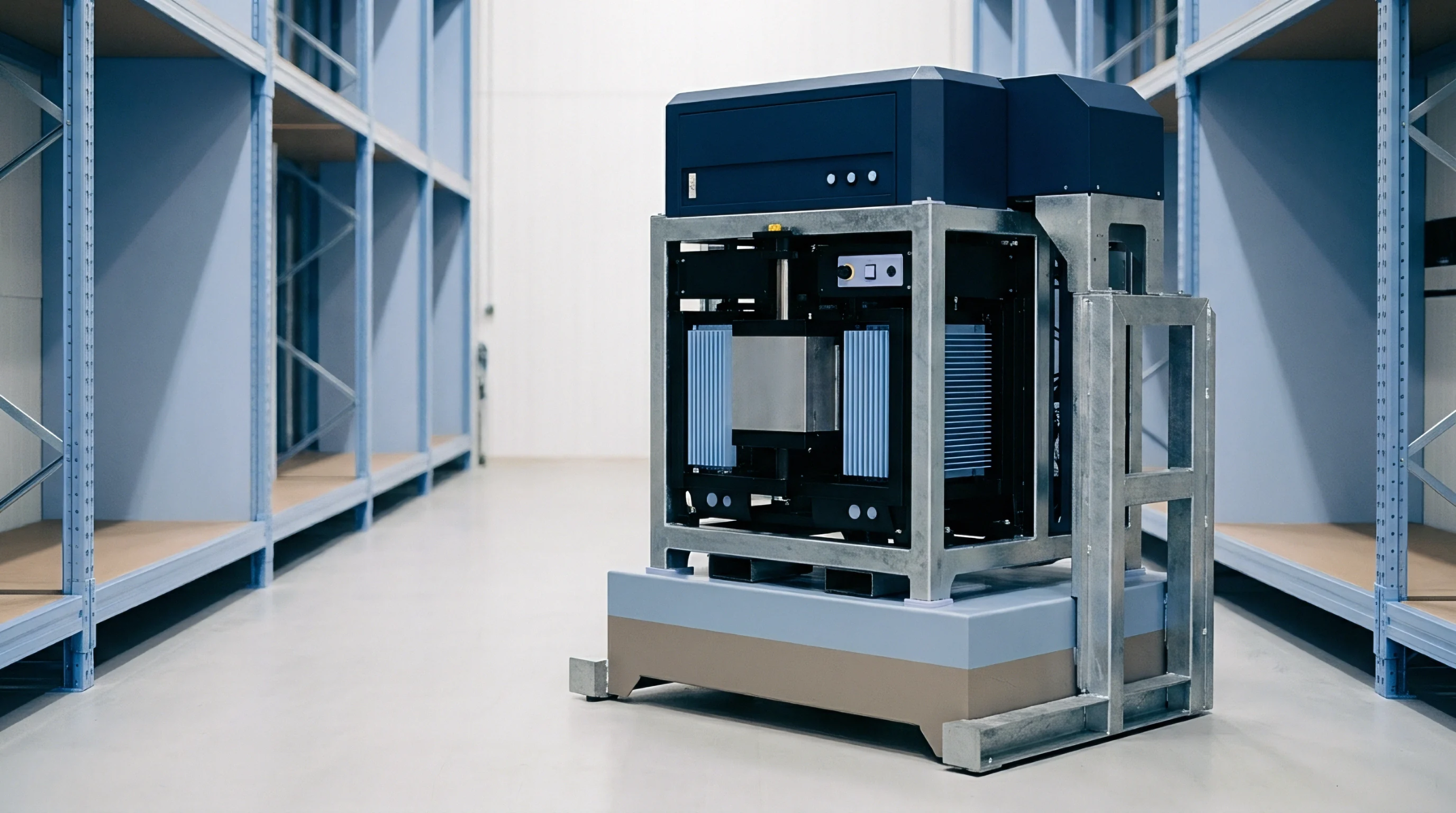
Quantifying Interfacial Impedance in Commercial High Voltage Cathodes
Quantifying high-voltage cathode interfacial impedance via DRT spectroscopy isolates charge-transfer growth to establish batch quality rejection limits.
Quantifying high-voltage cathode interfacial impedance via DRT spectroscopy isolates charge-transfer growth to establish batch quality rejection limits.
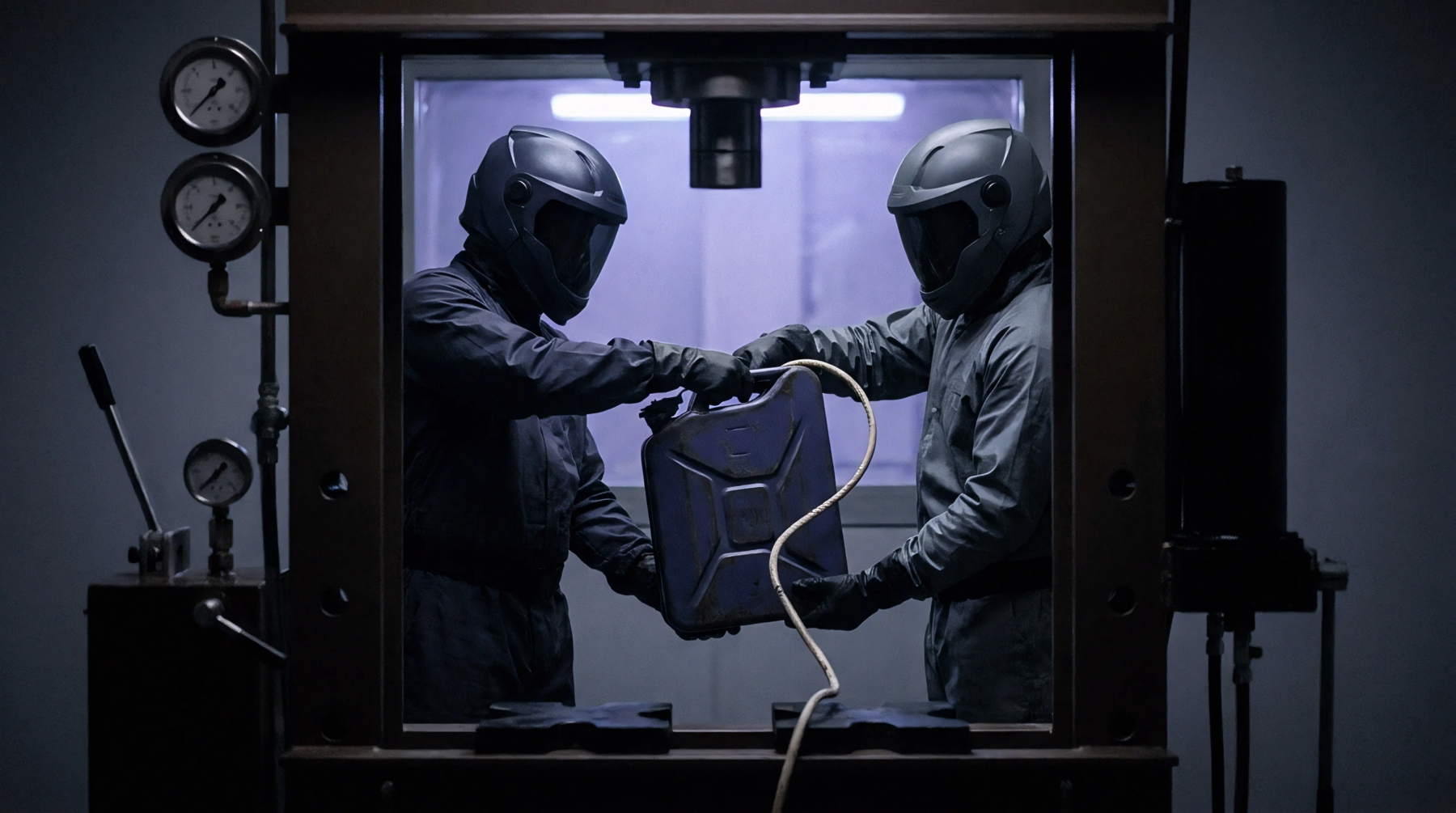
Extended high voltage thermal abuse destabilizes cathode oxide crystal lattices; atomic layer coatings suppress phase transformation and maintain transport compliance.
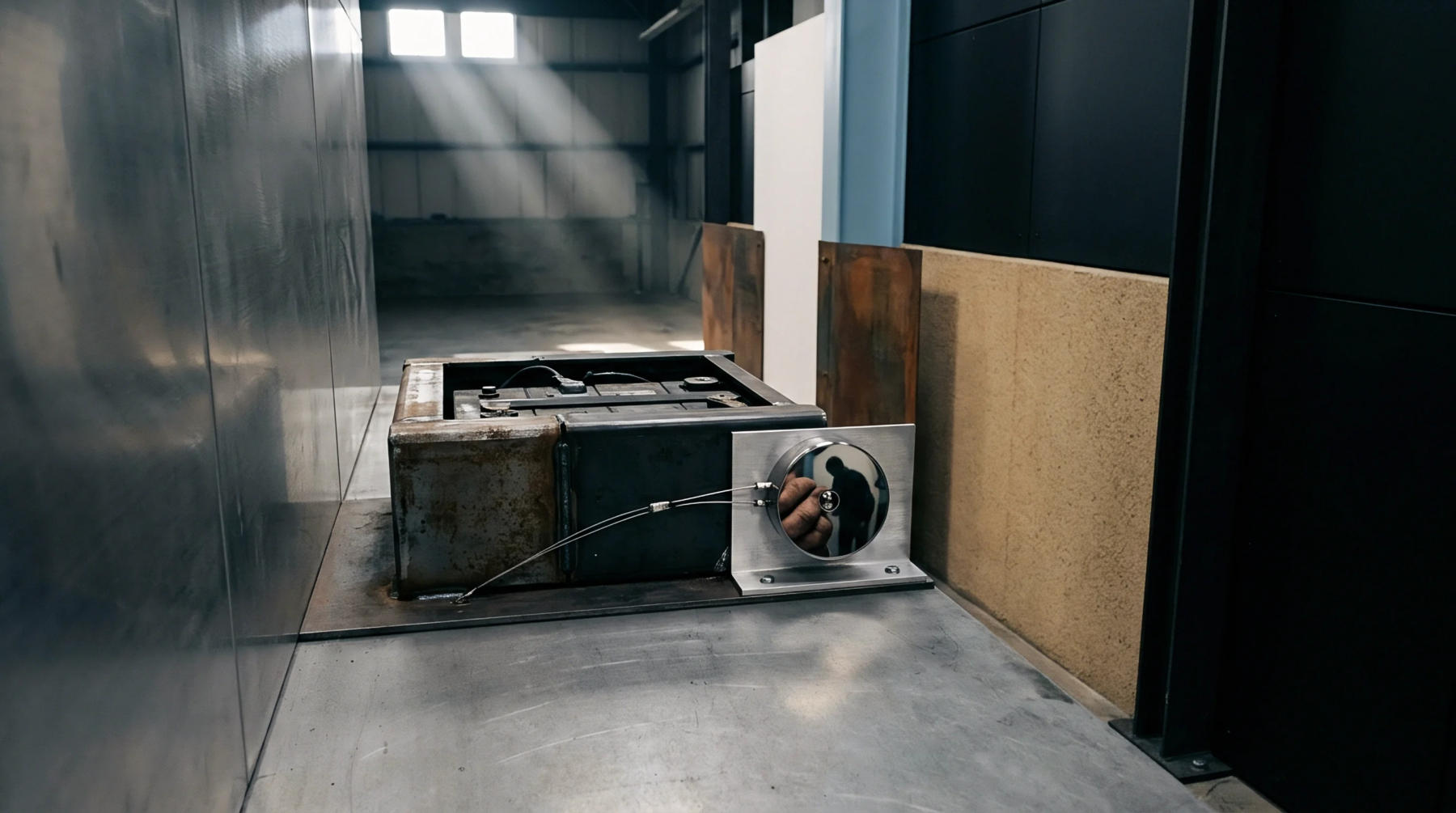
Auditing foreign ISO 17025 links requires validating the laboratory scope schedule against ILAC MRA databases to ensure UN 38.3 safety file compliance.

Helium leak quantification below 1e-6 mbar L/s requires background suppression, flow conversion modeling, and strict pouch heat seal quality control.

Operando multi-point optical fiber sensing isolates localized metallic lithium plating by decoupling spatial thermal expansion from anisotropic mechanical strain.

High-voltage cathode surface phase reconstruction converts layered lattices into resistive rock-salt layers, requiring surface doping and fluorinated electrolyte additives to secure long-term cell capacity and safety compliance.
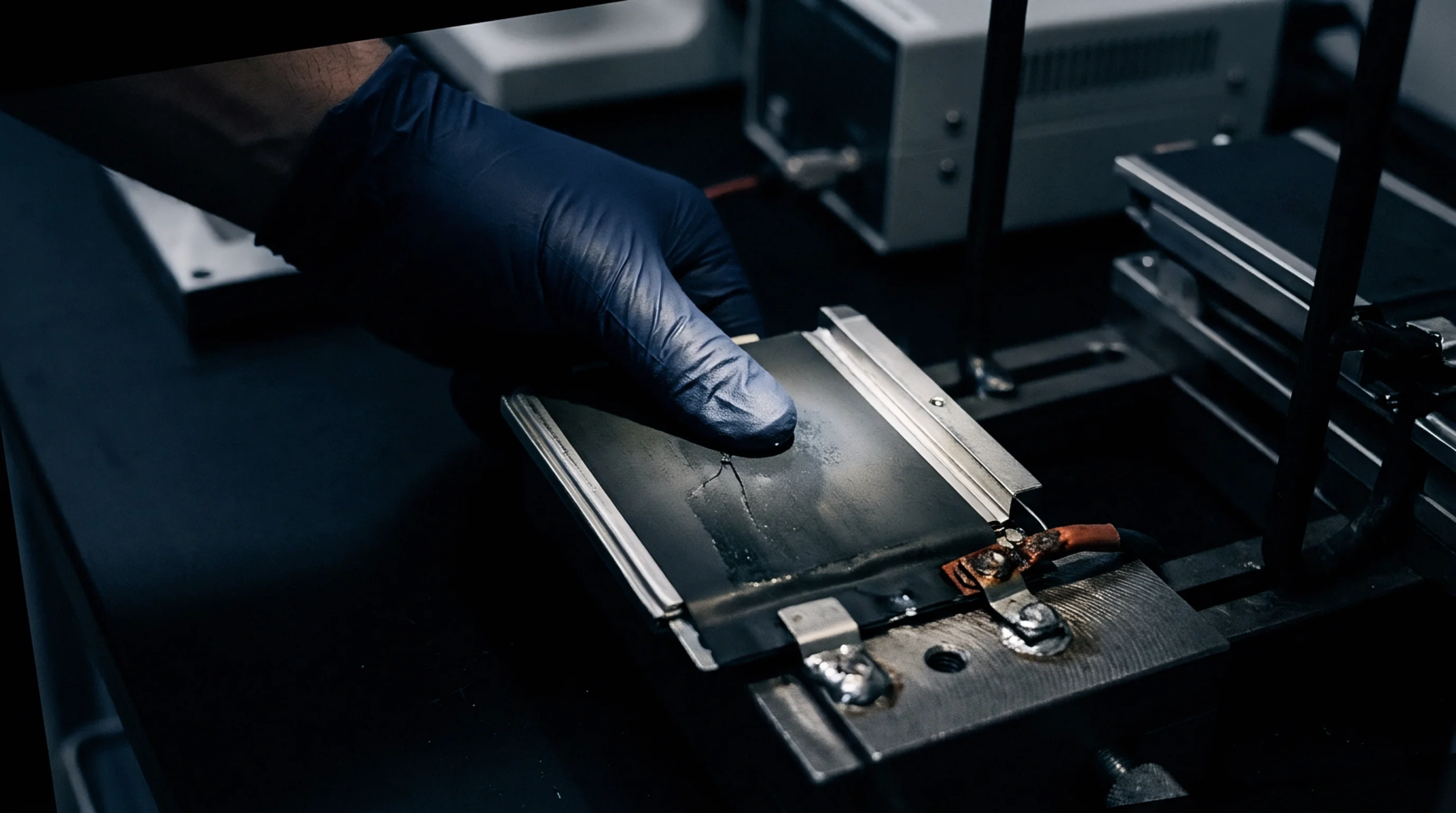
Spatial thermal gradients smearing dQ/dV curves break zero-dimensional degradation models, requiring localized thermal correction to isolate true active lithium loss.
Expertise is a utility, not a secret. sentiention™ publishes its working knowledge as open reference: intelligence layer covering the materials it sources, the markets it enters, and the reference that serves both.