Meaning
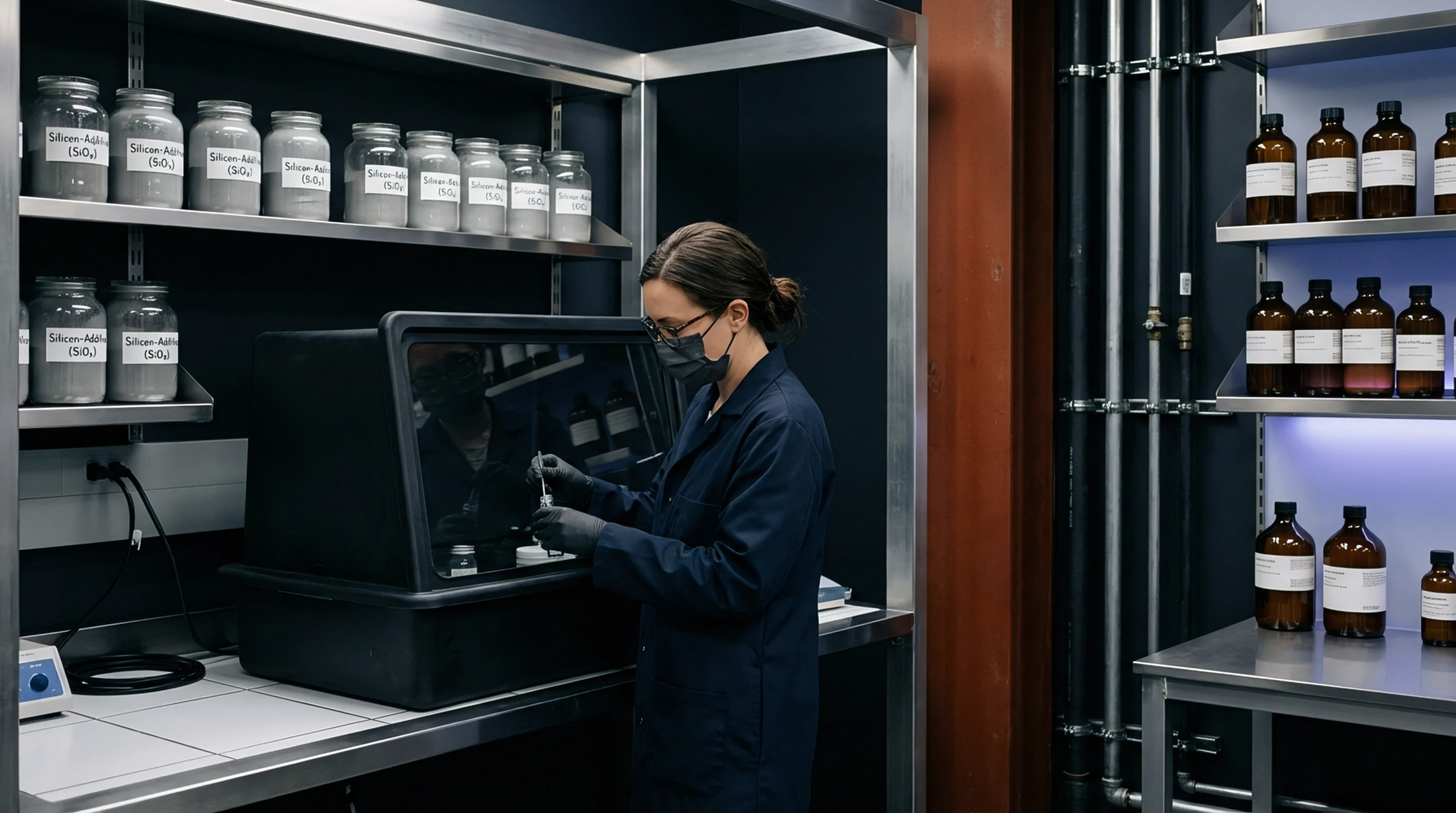
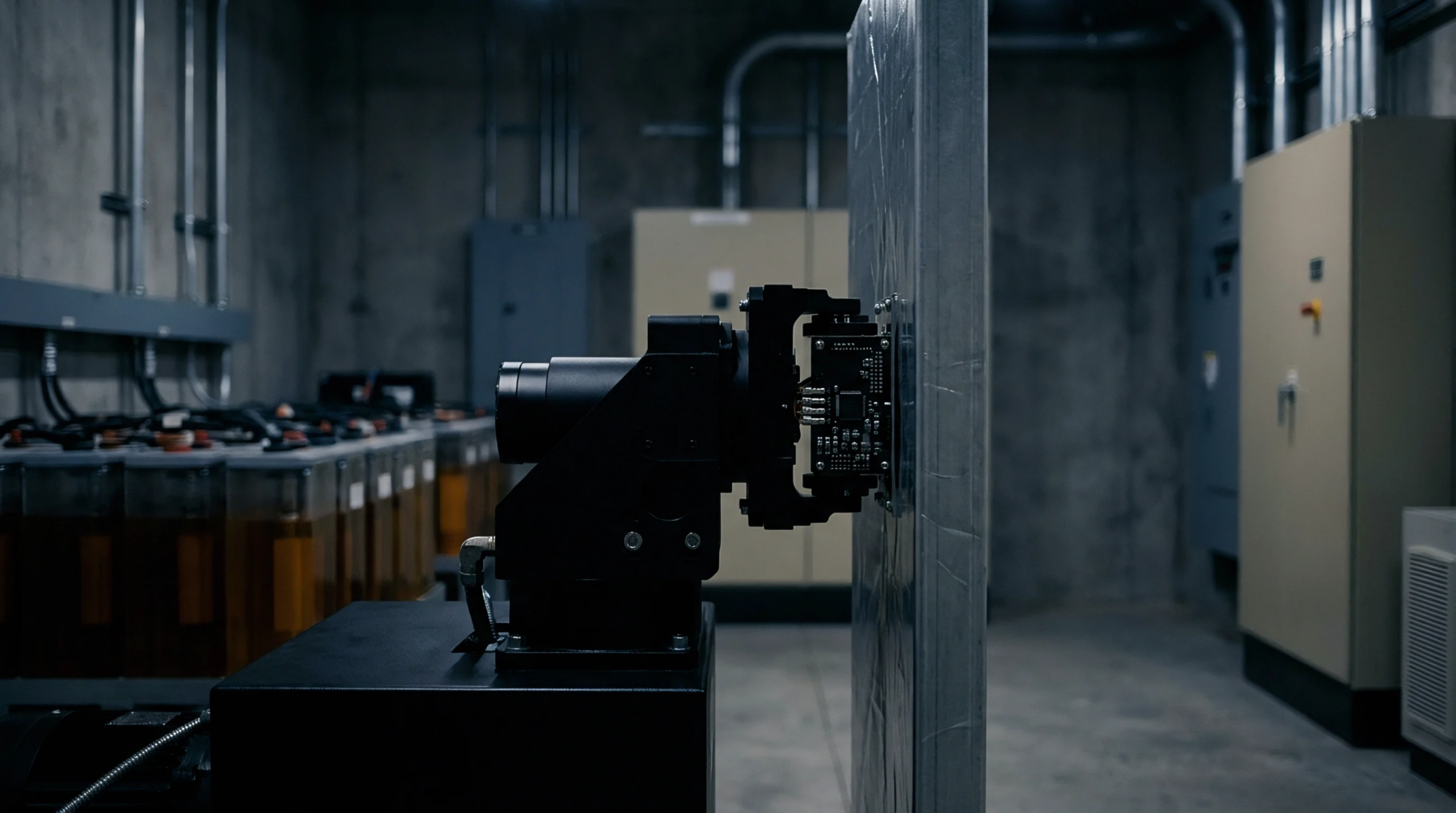
This mechanical test evaluates the ability of a battery cell to withstand a heavy impact or crushing force without catching fire. The protocol involves placing a steel bar across the test cell and dropping a 9.1 kilogram weight from a height of 61 centimeters. In cell safety testing, the impact test t.6 simulates severe mechanical abuse, such as a drop or collision, during transport or operation.
The cell must not undergo thermal runaway, catch fire or disassemble within six hours of the test to receive a passing grade.
Mechanical Abuse
Lithium cells are susceptible to internal short circuits if they suffer severe mechanical deformation during handling or shipping. To assess this risk, test laboratories subject the cells to a simulated heavy impact under controlled conditions. The impact test t.6 procedure applies a concentrated force directly to the cell casing to test its structural integrity.
For cylindrical cells, the force is applied perpendicular to the longitudinal axis of the cell. Pouch and prismatic cells are tested using either the impact method or a crushing force to simulate similar mechanical stresses. This test is crucial for verifying that the separator can withstand high local compression without failing and causing a short circuit.
Internal Protection
High energy density cells rely on thin plastic membranes to keep the cathode and anode materials physically separated. When a cell undergoes the impact test t.6, the separator must resist puncture and melting under the extreme local pressure of the impact. If the separator fails, a high-current short circuit will occur, leading to rapid heating and potential thermal runaway.
Sourcing engineers examine the test reports to ensure that the chosen cell design has sufficient safety margins against mechanical impact. This evaluation is particularly important for cells intended for use in electric vehicles and heavy industrial equipment.
Regulatory Compliance
Compliance with transport safety regulations requires that every cell design passes this mechanical abuse test. The impact test t.6 is one of the eight core trials in the UN 38.3 test manual for battery transport. Manufacturers must maintain a record of these tests and make the results available to carriers and customs officials upon request.
Sourcing contracts typically require the supplier to provide these certificates as part of the standard quality documentation. This testing process reduces the risk of fires in transit and ensures the safety of the logistics network.