Meaning
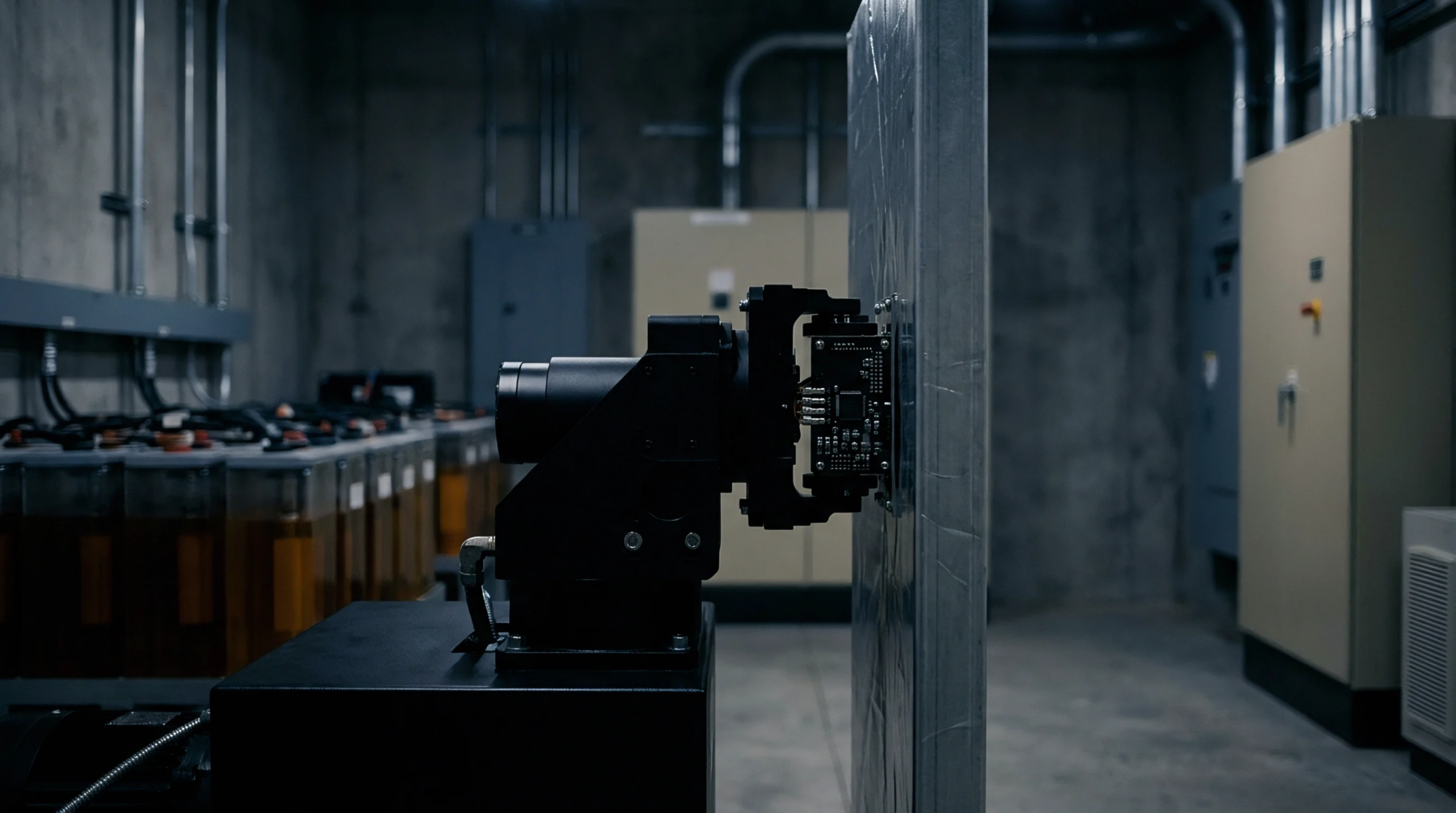
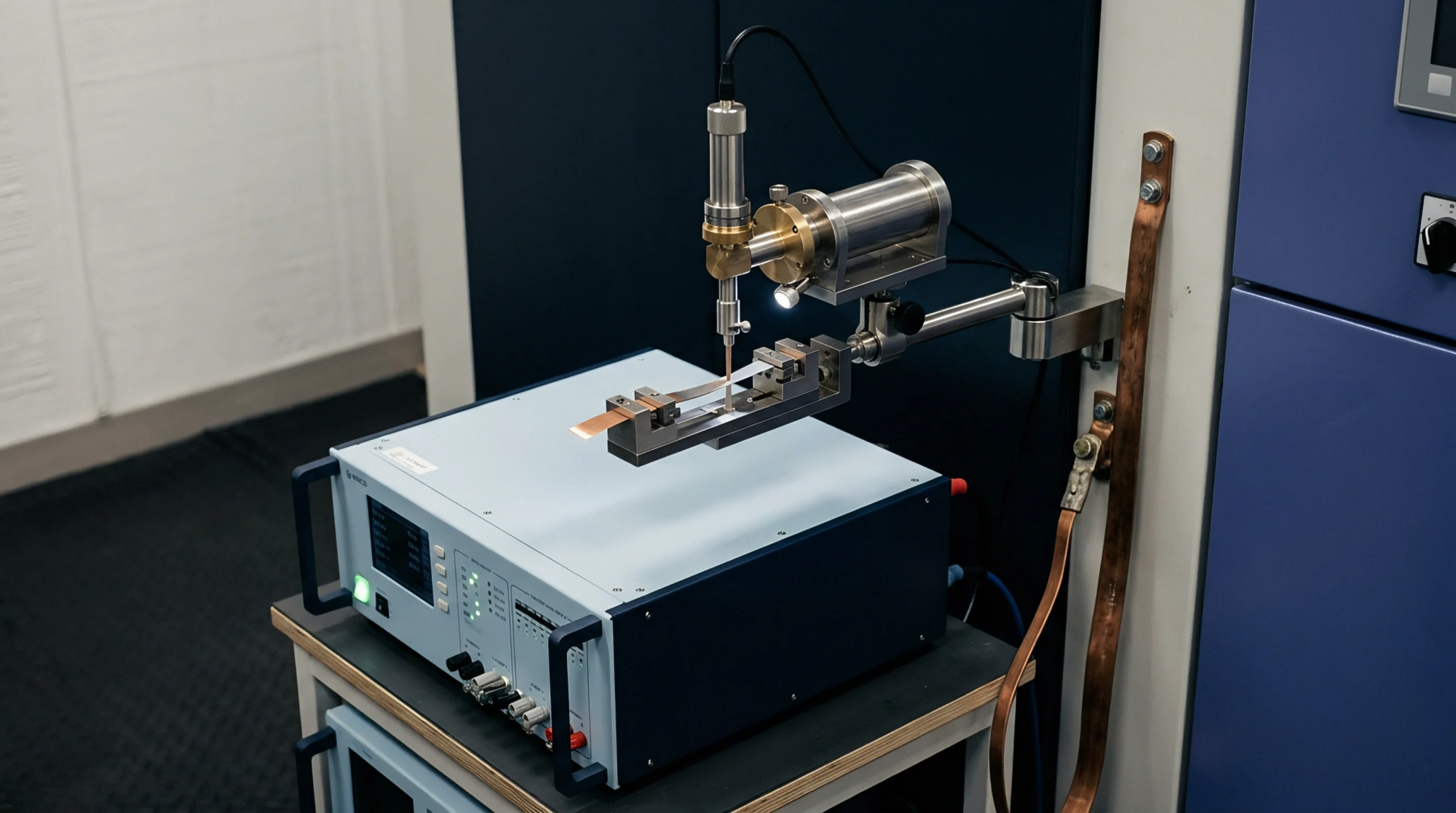
Environmental durability assessment evaluating the structural integrity of lithium ion batteries when subjected to rapid deceleration or sudden physical impact. Conducting the mechanical shock t.4 test requires the use of a shock table that delivers a specific half-sine pulse to the battery pack or cell across three axes. This test measures the ability of the internal connections and the outer housing to withstand the forces experienced during a vehicle crash or a drop.
It governs the safety certification for transport and the validation of the mechanical design for automotive applications. The test is concluded once the battery has been monitored for several hours to ensure no delayed thermal reactions occur.
Acceleration Profile
Precision equipment is programmed to reach a peak acceleration of many times the force of gravity within a few milliseconds. This mechanical shock t.4 procedure mimics the high energy transfer of a collision where the duration of the impact is extremely short. The battery must remain functional and show no signs of mass loss or electrical leakage after the sequence.
Different specifications exist depending on the mass of the battery, with larger packs subjected to slightly lower peak forces than individual cells. These parameters are strictly defined in the un manual of tests and criteria to ensure global consistency.
Structural Response
Internal components like the busbars and the cell mounting brackets are the most common points of failure during the shock event. If the welds are brittle or the fasteners are not properly torqued, the sudden acceleration can cause them to snap or loosen. This failure leads to an open circuit or the movement of cells within the pack, which can cause internal short circuits.
The mechanical shock t.4 test also evaluates the integrity of the high voltage insulation and the sealing of the cooling system. Any fluid leaks or insulation faults detected after the test result in a failure for the design.
Compliance Validation
Passing this rigorous assessment is a legal requirement for any manufacturer intending to ship lithium batteries internationally. Documentation from the test proves that the product is safe to handle even if the shipping container is dropped or subjected to rough transport conditions. Engineers use the data from the shock table sensors to refine the mechanical models of the pack and improve the durability of the structural components.
This process often leads to the redesign of the housing or the addition of shock absorbing materials. The mechanical shock t.4 test ensures that batteries do not become a secondary hazard during an accident.