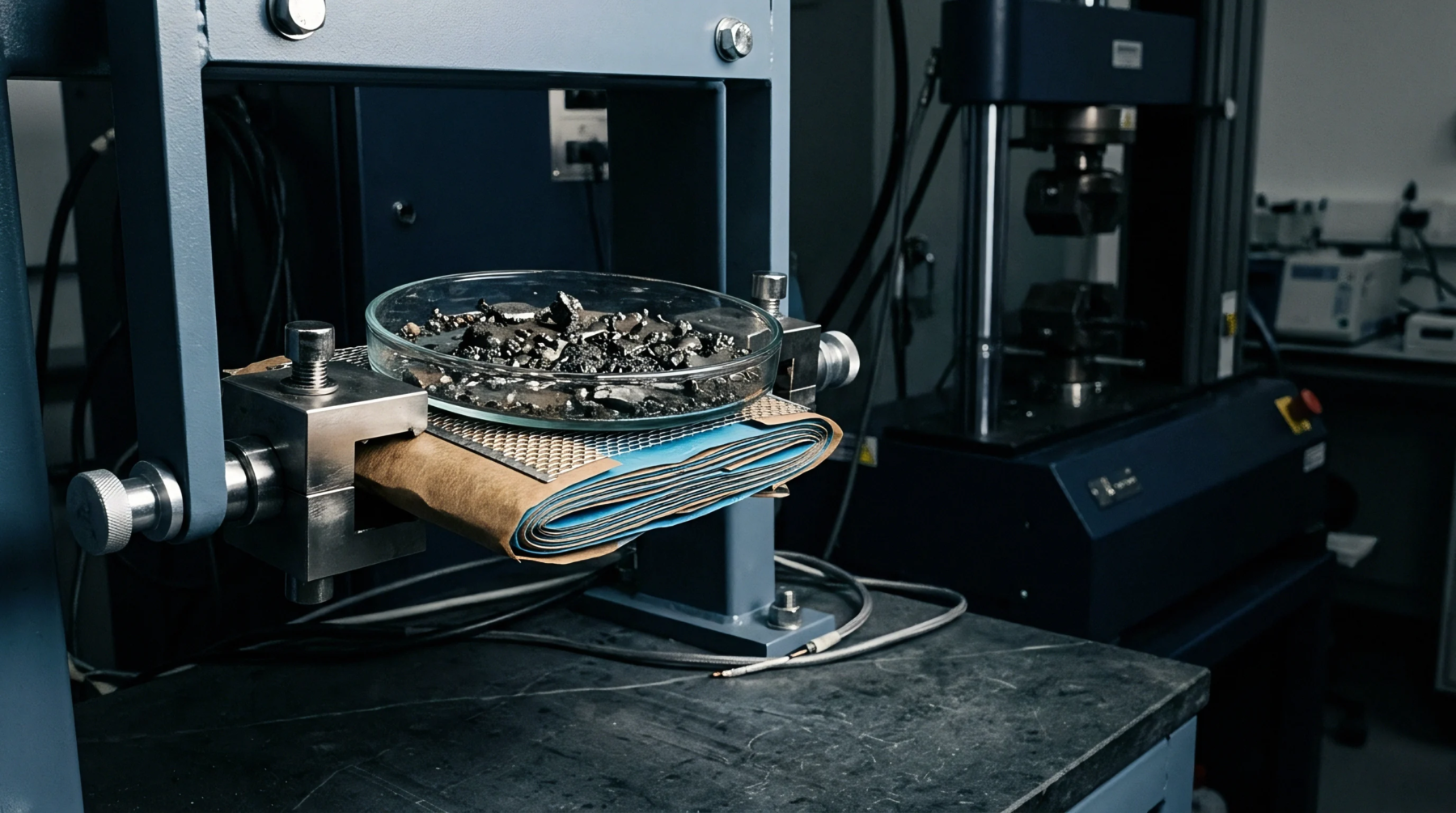
Gas to Metal Mass Ratio Effects on Tool Steel Particle Size Distribution
Increasing gas to metal mass ratio decreases median particle size in tool steel powder, shifting mass yield into fine powder fractions at higher argon expense.
Increasing gas to metal mass ratio decreases median particle size in tool steel powder, shifting mass yield into fine powder fractions at higher argon expense.
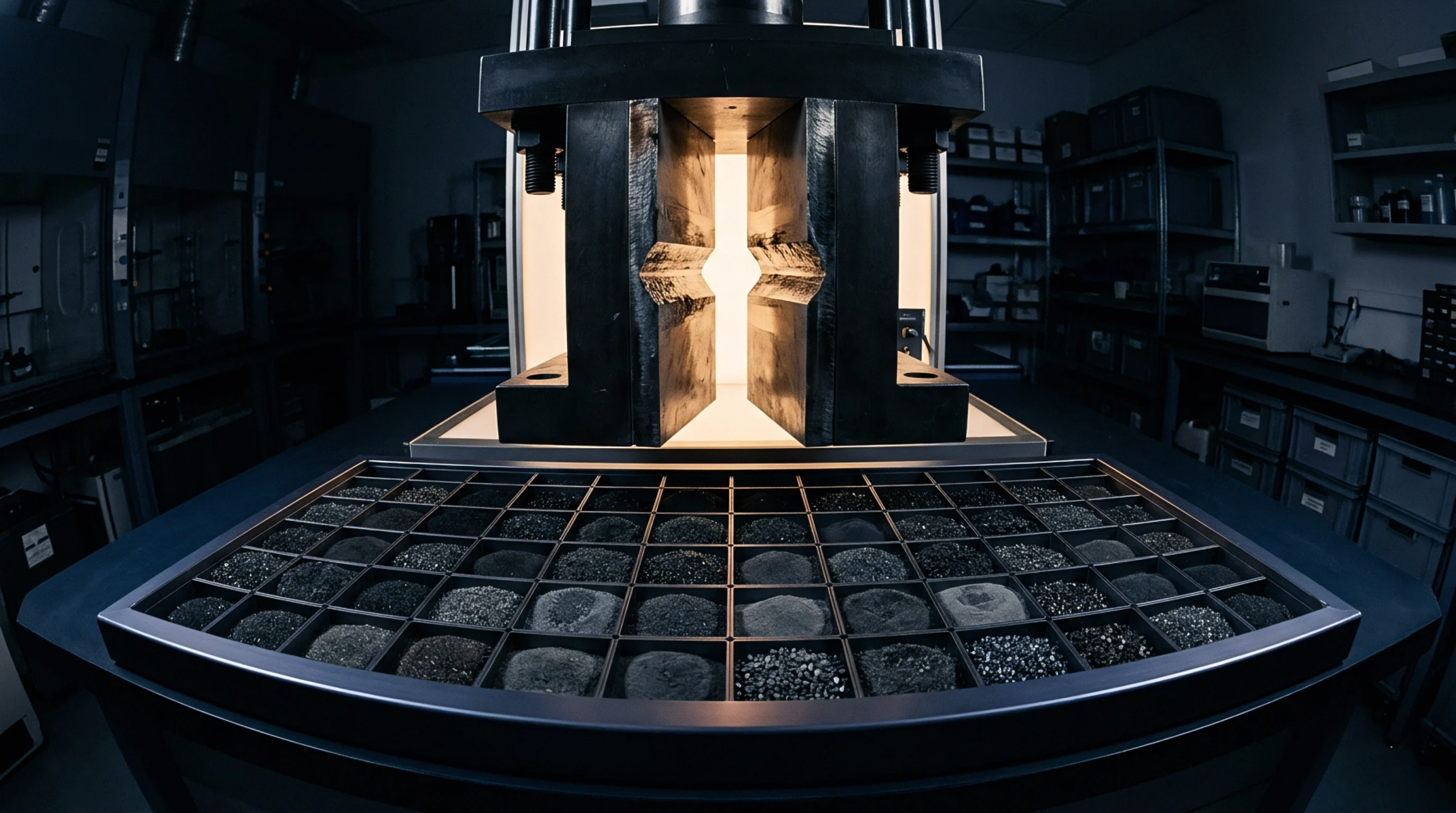
Controlling melt superheat within a twenty-kelvin window balances gas atomization efficiency against refractory dissolution in high-alloy tool steel powder production.
Melt superheat, gas-to-metal ratio, and aspiration pressure dictate particle size distribution, cooling rate, and oxide pickup in tool steel powder production.

Dynamic argon pressure calibration stabilizes supersonic nozzle shock structure, locking particle size distribution and protecting additive powder yields.

Optimize gas-to-metal ratios between 2.8 and 4.2 under controlled aspiration pressure to maximize tool steel powder yields and suppress internal gas entrapped porosity.

Gas atomization of high alloy tool steel requires matching gas-to-melt ratios and superheat to restrict internal argon void volume under 0.05 percent.

Carbide nucleation kinetics during inert gas atomization are controlled by droplet cooling rates between 10,000 and 1,000,000 K/s, dictating PM steel toughness.
Expertise is a utility, not a secret. sentiention™ publishes its working knowledge as open reference: intelligence layer covering the materials it sources, the markets it enters, and the reference that serves both.