Meaning
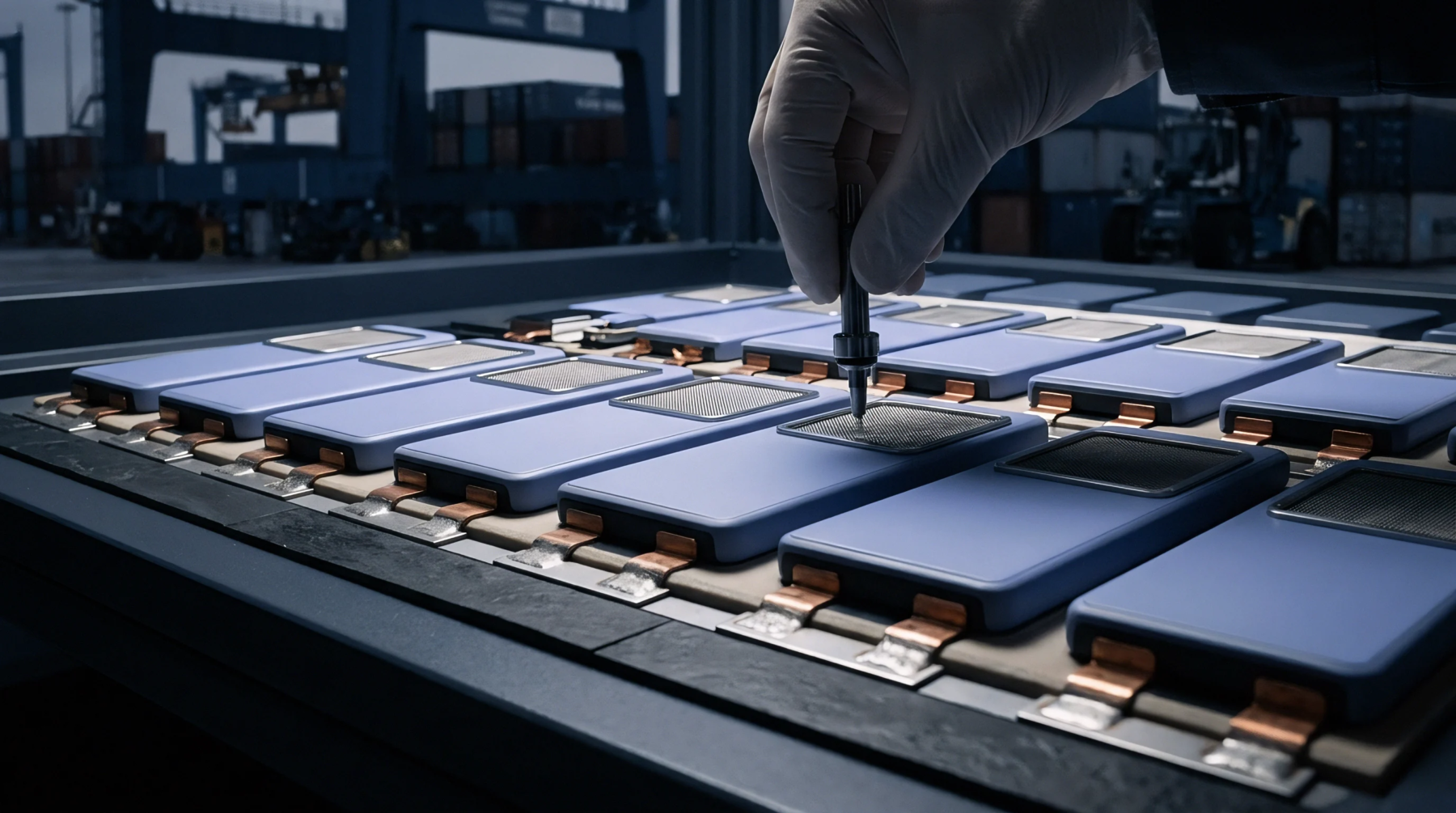
First controlled electrochemical activation of a newly assembled battery cell to establish the solid electrolyte interphase and stabilize the electrode structures. Precise current profiles during initial formation charging dictate the long-term cycle life and safety characteristics of the finished product. This process occurs in specialized chambers where temperature and voltage are monitored with high precision.
It transforms the inactive chemical stack into a functional energy storage device.
Interphase Development
Growth of the protective layer on the anode surface depends on the slow application of current. During initial formation charging, the electrolyte decomposes in a controlled manner to form a passivating film that prevents further solvent breakdown. A uniform layer is essential for preventing sodium or lithium plating during later use.
Gas Extraction
Removal of volatile byproducts happens immediately following this stage. Because initial formation charging generates gas as the interphase forms, the cells are typically held in a temporary seal.
Quality Screening
Evaluation of the voltage response during this first cycle provides a look at manufacturing quality. Cells that show abnormal curves or excessive heat during initial formation charging are diverted from the main production line. These early metrics help in grading cells for different performance tiers.
The screening process reduces the risk of field failures in the final application.