Designing Multi Temperature Thermal Soak Schedules for Commercial Battery Dossiers
Multi temperature thermal soak schedules isolate micro shorts and establish valid cell voltage decay dossiers prior to volume cell procurement.
Multi temperature thermal soak schedules isolate micro shorts and establish valid cell voltage decay dossiers prior to volume cell procurement.

Real-time fixture thermal drift compensation eliminates cell sorting errors by isolating thermomechanical trace expansion from true battery impedance shifts.
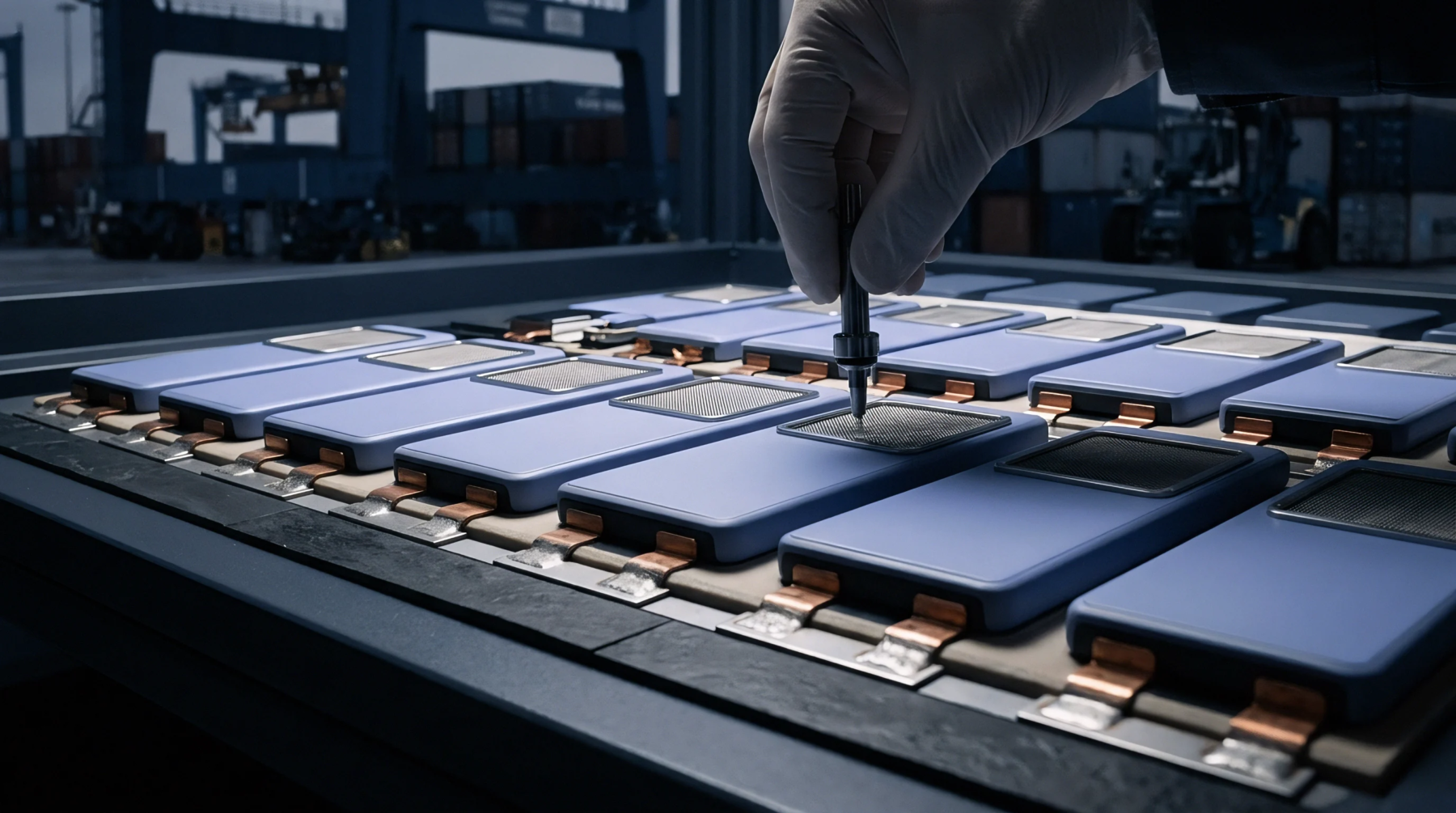
Sodium oxide outgassing reaches 18.7 mL/Ah during formation, requiring 0.25 MPa mechanical clamping and precise vacuum extraction to prevent pouch delamination.
Contractual impedance guarantees depend on ten-second DC resistance metrics, bridging microstructural interphase degradation models to commercial warranty enforcement.
Direct current pulse testing isolates cell ohmic and polarization resistance within milliseconds to reject structural defects before pack integration.

Auditing battery laboratory accreditations requires matching exact test standards against ISO 17025 scopes while enforcing drift limits on cell data.

Controlled initial reductive decomposition forms a dual-layer interphase that blocks electron tunneling while enabling lithium transport and transport compliance.

Standardizing prismatic cell procurement requires defining critical AQL thresholds, dynamic sampling plans, and precise metrology for lot acceptance.
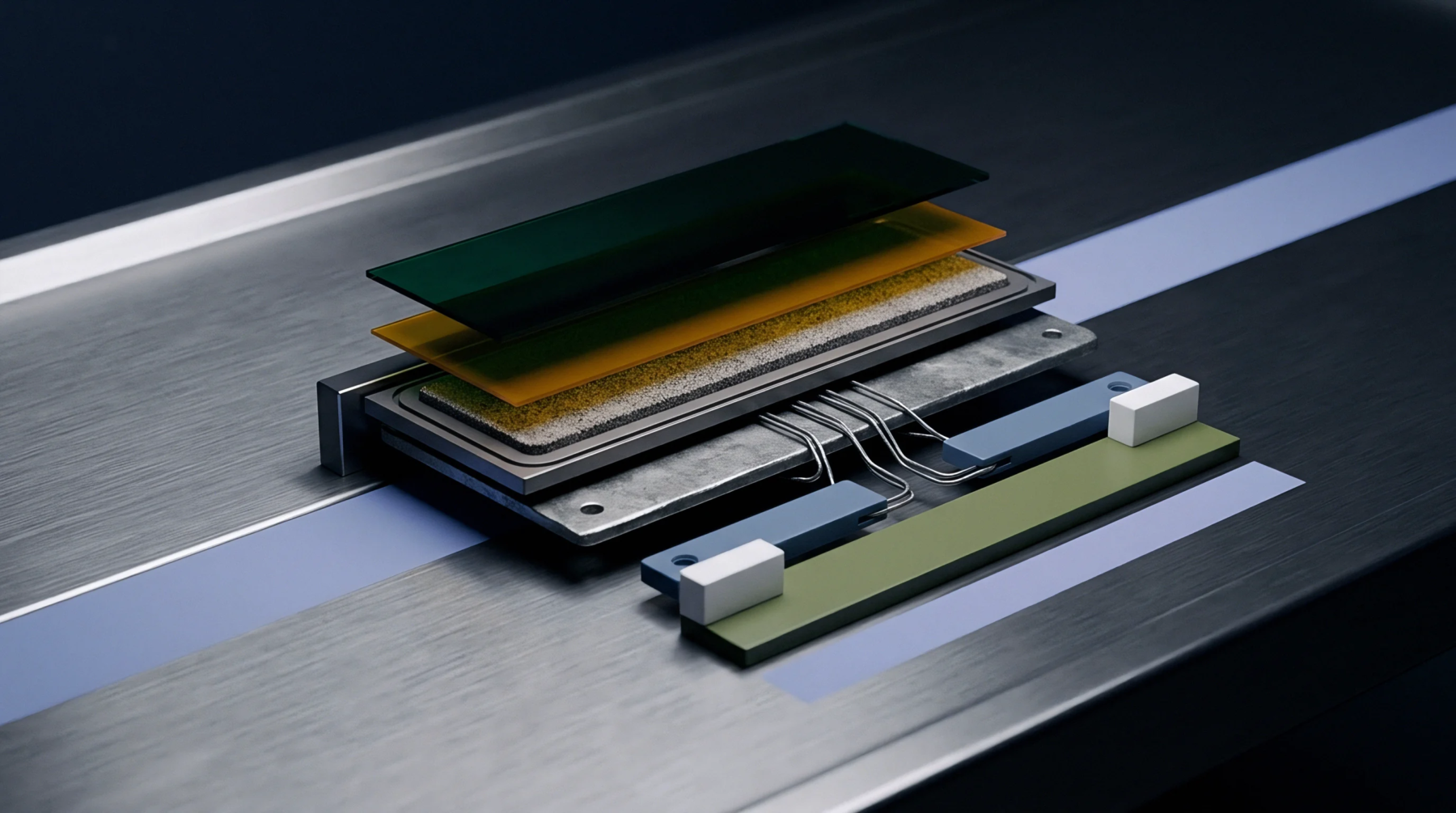
Microsecond timing drift across multi-channel cyclers corrupts DCIR and dQ/dV metrics, requiring hardware-latched PTP clocks to ensure phase alignment.

Laboratory cycle life claims hold commercial value only when test cut-offs, clamping force, four-wire telemetry, and Weibull distributions are verified.

Early lithium cell resistance rise stems from passive layer growth and cathode microcracking, shifting procurement risk to initial DCIR specifications.

Verify cross-border cell shipments at receiving docks using standardized DCIR pulse tests, platen compression gauges, and strict AQL sampling before invoice payment.
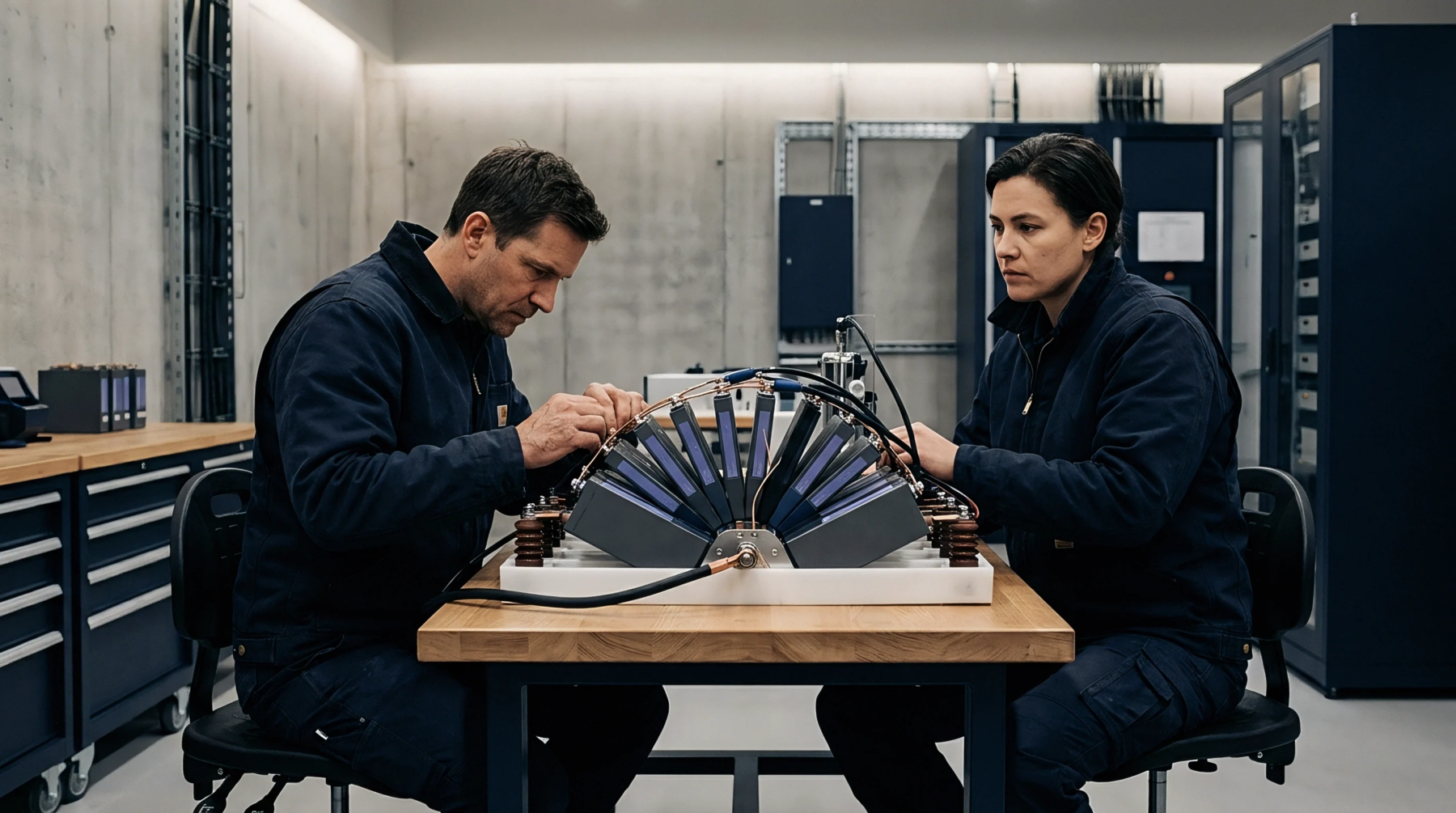
Cold climate warranty enforcement requires temperature-normalized 25°C thermal recovery soaking and cryptographic BMS logging to substantiate degradation claims.

Cell matching mathematics constrains series string capacity variance through multi-parameter binning and direct current resistance threshold alignment.
Secondary cell sorting games artificially elevate capacity ratings via thermal and discharge rate manipulation, requiring strict incoming testing to avoid severe pack failure.

Capacity grading accuracy depends on controlling thermal soaking windows, pneumatic pin resistance, and strict four-wire Kelvin probe calibration on the line.
Datasheet shelf life claims hide permanent capacity loss and resistance growth; real storage stability demands dock impedance screening and temperature tracking.
Buying cells requires owning BMS development, weld quality, thermal isolation, and pack safety files; buying packs trades unit margin for transferred liability.
Expertise is a utility, not a secret. sentiention™ publishes its working knowledge as open reference: intelligence layer covering the materials it sources, the markets it enters, and the reference that serves both.