Meaning
International standards define methods for evaluating and quantifying the presence of non metallic inclusions in steel using standard comparative diagrams or direct image analysis of polished surfaces. This code provides a systematic way to report the level of impurities like sulfides, alumina and silicates that enter the metal during its melting or pouring phase. Within the supply chain, iso 4967 serves as the formal documentation used to approve the cleanliness of high grade tool steels.
Results are reported in grades that describe both the size and the number of clusters found per square millimeter. These metrics guide the selection of materials for critical applications where small internal flaws can cause total tool failure.
Evaluation Methods
Polished samples are prepared to show the longitudinal section of a rolled or forged product. Once the samples are ready, they are observed under a microscope at one hundred times magnification. The analyst looks for specific types of features categorized as type a through type d based on their morphology.
Type d inclusions are globular while type a are long and stringy. By comparing what is seen through the lens to standard chart examples, the purity of the alloy is documented for future reference.
Technical Criteria
Limits for inclusions are often strictly set by customers who manufacture precision blades or high strength components. Large strings of silicates or hard oxides act as stress raisers that initiate cracks during quenching or cyclic loading. If a batch of steel fails the iso 4967 requirements, it must be diverted to less sensitive uses.
The standard ensures that every supplier uses the same visual scale to report data. Consistency in reporting builds trust between steel mills and precision tool makers.
Scope Separation
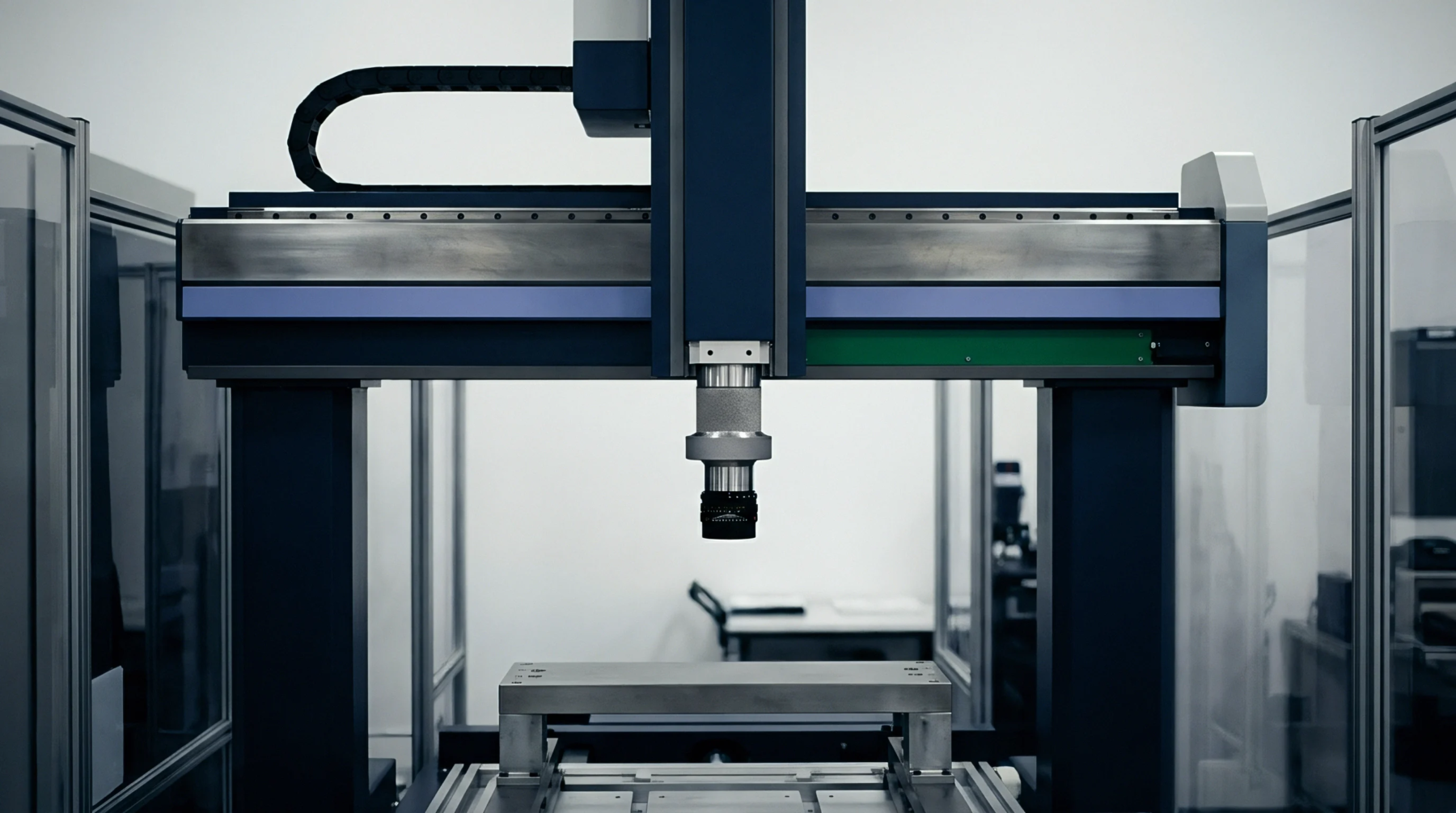
Boundaries for this rule strictly apply to micro inclusions rather than large foreign objects that enter the ingot. Other tests cover macroscopic inclusions seen during ultrasonic testing or visible to the naked eye. Automated image analysis software now performs these evaluations faster than human observers can manage.
Software must be calibrated to match the thresholds and sizes established by the printed charts in the official document. Accuracy remains the main purchasing consideration for manufacturers buying long life industrial knives.