Meaning
Negative electrode assemblies in rechargeable batteries store lithium during charging and release it into the electrolyte during discharge. Modern battery factories manufacture the lithium ion anode by coating a copper foil substrate with active material, binders, and conductive additives. This component determines the energy density and charging speed of the cell.
Electrode Component
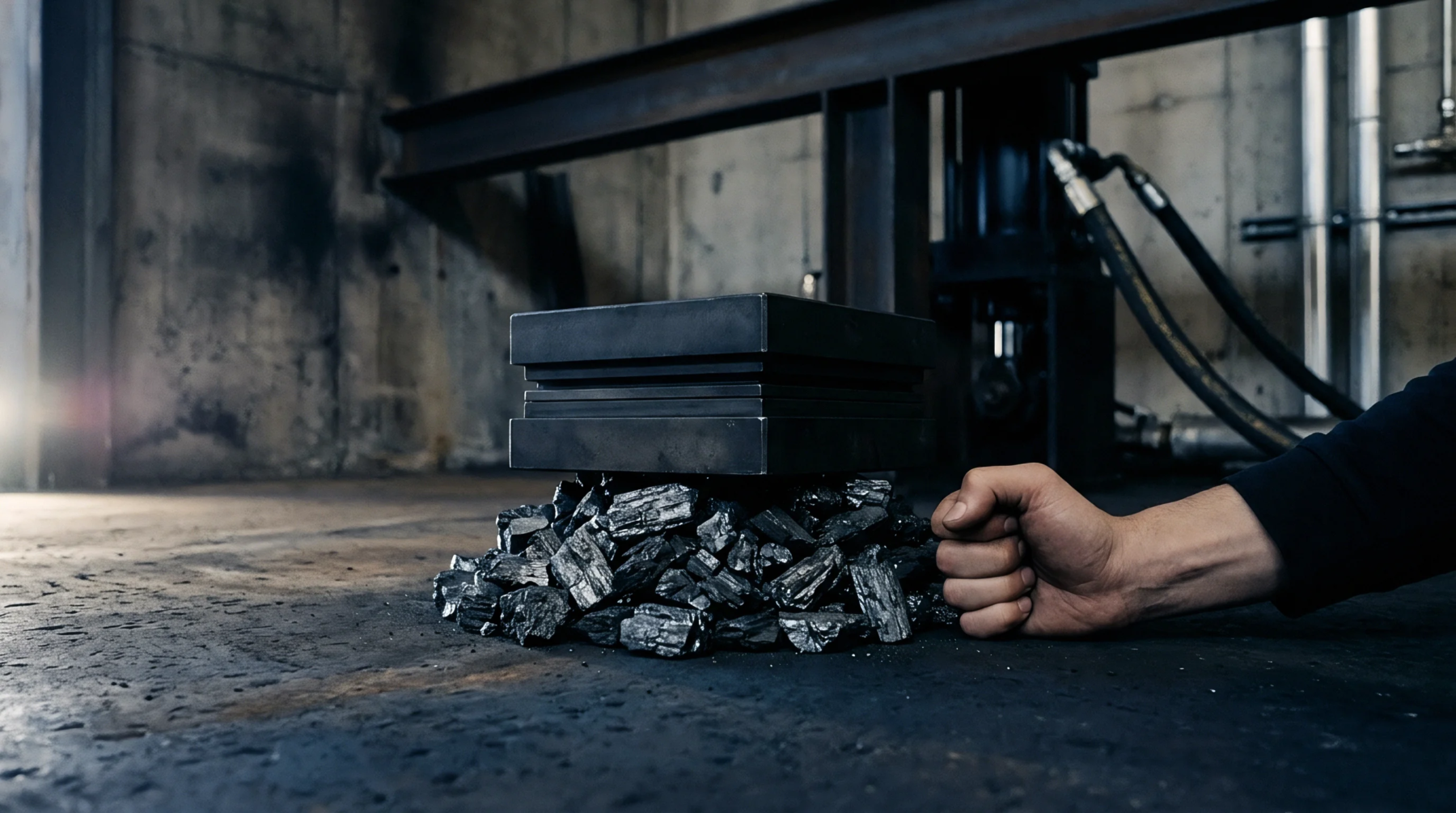
Active materials like synthetic graphite or silicon-carbon composites are mixed into a slurry with water-soluble binders. After coating, the lithium ion anode is dried and calendered to a target porosity. This compacting step is necessary to establish good electrical contact between particles and the current collector.
Material Classification
The choice of active material determines the capacity and voltage profile of the negative electrode. While graphite offers a highly stable voltage plateau, silicon composites provide much higher specific capacity at the expense of larger volume changes. Integrating these materials into the lithium ion anode requires careful management of particle expansion during lithiation.
Advanced carbon coatings help buffer these mechanical stresses to maintain electrical pathways over thousands of cycles.
Capacity Performance
High-capacity anodes require robust binders to prevent particle isolation and delamination. Electronic conductivity is optimized by adding tiny amounts of carbon black or carbon nanotubes. Perfect coating uniformity prevents localized overcharging and lithium plating.