Meaning
Volumetric growth occurs within sealed electrochemical cells during operational cycling as active materials intercalate ions and side reactions build internal gas. Physical swelling encompasses both reversible dimensional shifts from ion insertion and permanent volume increases caused by solid electrolyte interphase accumulation. Quantifying lithium ion battery expansion enables mechanical engineers to design pack enclosures that accommodate dimensional growth without crushing adjacent components.
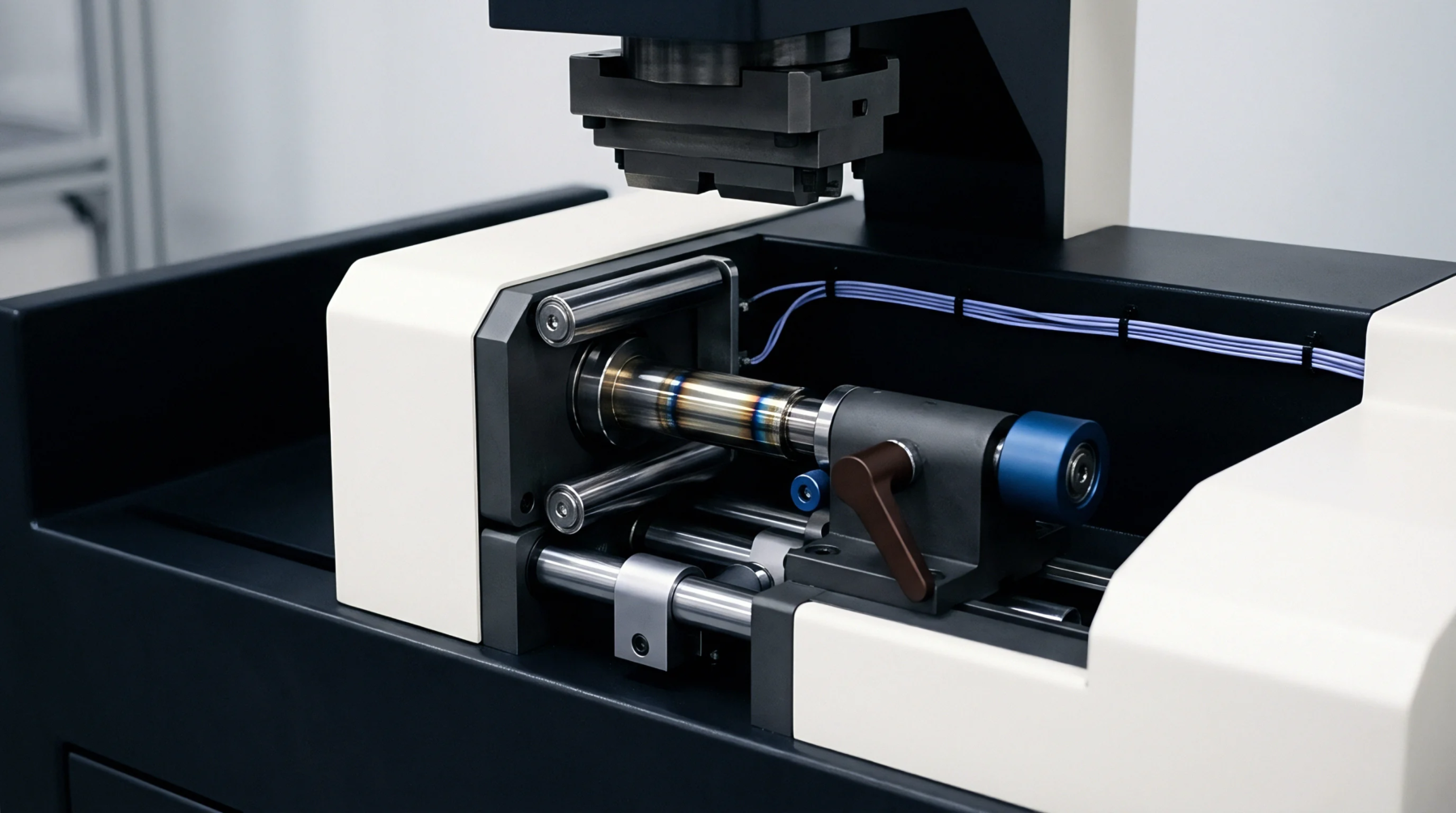
Pouch and prismatic formats exhibit significant facial breathing during charge and discharge operations. Uncontrolled dimensional growth distorts module frames, crushes cooling plates, and causes uneven contact pressure across cell surfaces. Measurement protocols evaluate free swelling behavior under zero load as well as constrained growth against spring preloads.
The boundary of this phenomenon applies to normal cycling and degradation aging, excluding catastrophic thermal runaway gas generation events.
Reversible Cycling Expansion
Electrode crystallographic structures expand and contract periodically as lithium ions enter and exit host lattices during normal operations. In lithium ion battery expansion, graphite anodes swell up to ten percent at full state of charge before returning toward initial dimensions upon discharge. Silicon blending increases reversible volume change significantly, creating substantial strain on conductive binder networks.
Managing periodic dimensional shifts requires elastic spacer materials that maintain uniform contact pressure without over-stressing module frames.
Irreversible Aging Swelling
Continuous electrolyte decomposition deposits solid reaction products within electrode pores, driving permanent thickness increases over thousands of cycles. Accumulated lithium ion battery expansion shifts baseline cell dimensions outward, increasing static preload forces against module end plates. Gas generation from trace moisture reactions further inflates pouch cell envelopes if gas pockets fail to dissolve back into liquid electrolyte.
Structural pack components must absorb permanent growth to prevent structural weld failures.
Pack Space Allocation
Battery module enclosures incorporate compressible foam pads to absorb dimensional growth while maintaining constant electrical contact across busbars. Incorporating lithium ion battery expansion data into pack structural layouts prevents module deformation and preserves structural enclosure integrity throughout vehicle design lives.