Meaning
Comparing charge transfer rates and ionic diffusion coefficients against baseline room-temperature performance quantifies charge storage limitations in sub-zero thermal environments. Understanding low temperature kinetics reveals why cell impedance increases sharply as ambient temperatures drop below freezing point. Physical constraints govern sub-zero electrochemical behavior until ambient heating restores standard activation energy levels.
Activation Energy
Desolvation of lithium ions at the electrode-electrolyte interface represents the primary kinetic barrier during low-temperature operation. High activation energy limits ion passage through passivating interphase layers on active particles. Decreased bulk electrolyte conductivity further increases ohmic voltage drops across the cell.
Lithium Plating
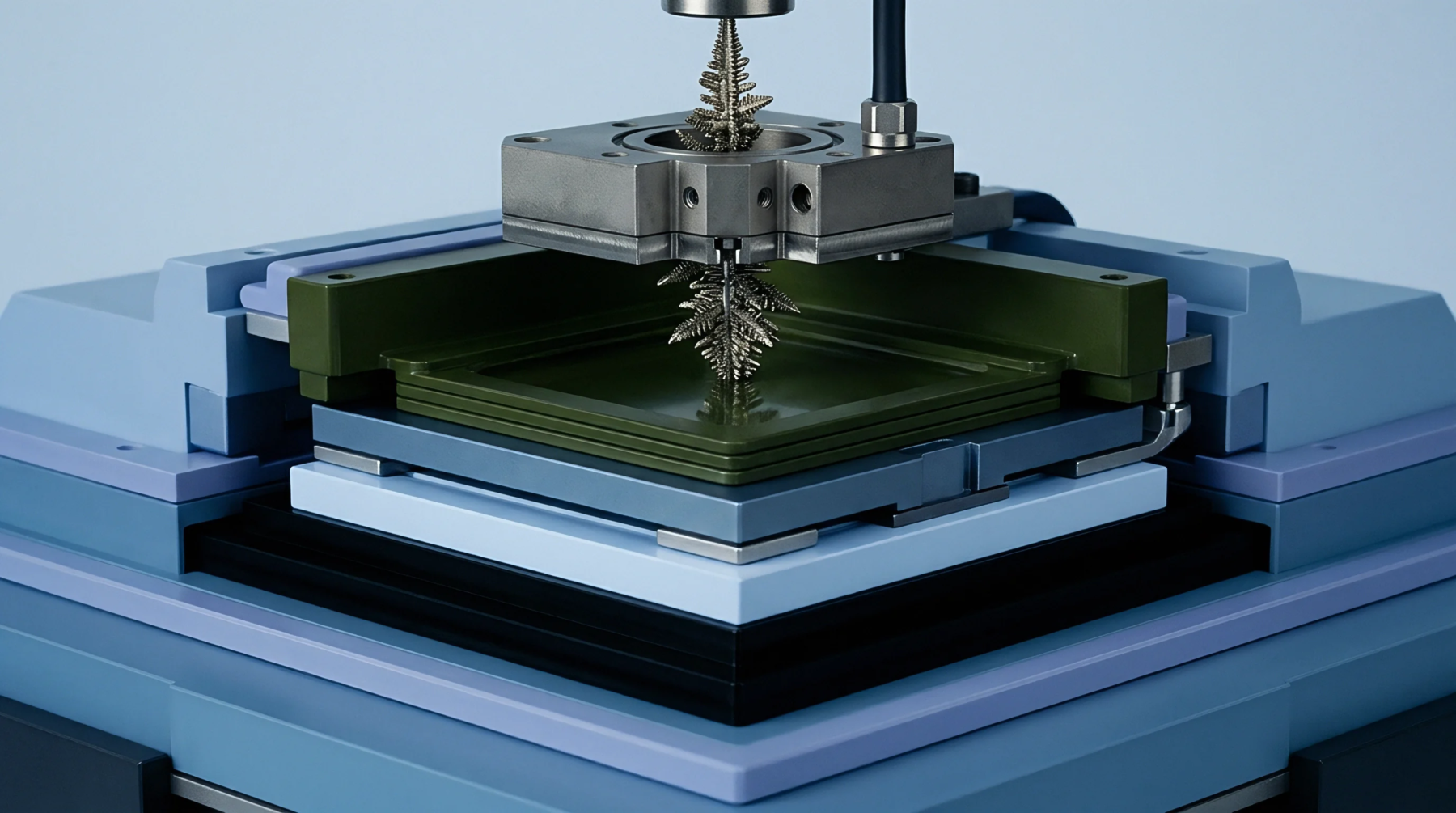
Slow intercalation kinetics at sub-zero temperatures cause negative electrode potentials to fall below zero volts versus lithium reference during fast charging routines. Metallic lithium deposits directly onto graphite particle surfaces rather than intercalating into the host crystal lattice. Plated lithium reacts with organic solvent molecules to form dead lithium, permanently reducing cell capacity and creating internal short-circuit pathways.
Lowering charge current rates at sub-zero temperatures mitigates metallic plating risks. Pulse heating methods temporarily raise internal cell temperature before applying high charge currents.
Thermal Management
System controls restrict charge acceptance profiles based on measured module temperatures. Internal resistance generating ohmic heat assists self-warming during high-rate discharge. Battery pack heaters ensure operational viability before accepting high regenerative braking currents.