
Electrode Nanopore Compression Limits under High Line Pressure Calendering Operations
Excessive calendering line pressure crushes electrode mesopores below 10 nm, elevating ionic tortuosity and choking high-rate transport despite density gains.
Excessive calendering line pressure crushes electrode mesopores below 10 nm, elevating ionic tortuosity and choking high-rate transport despite density gains.

Differential capacity analysis detects metallic lithium plating on high-current graphite cells by identifying distinct stripping peaks during low-rate discharge.
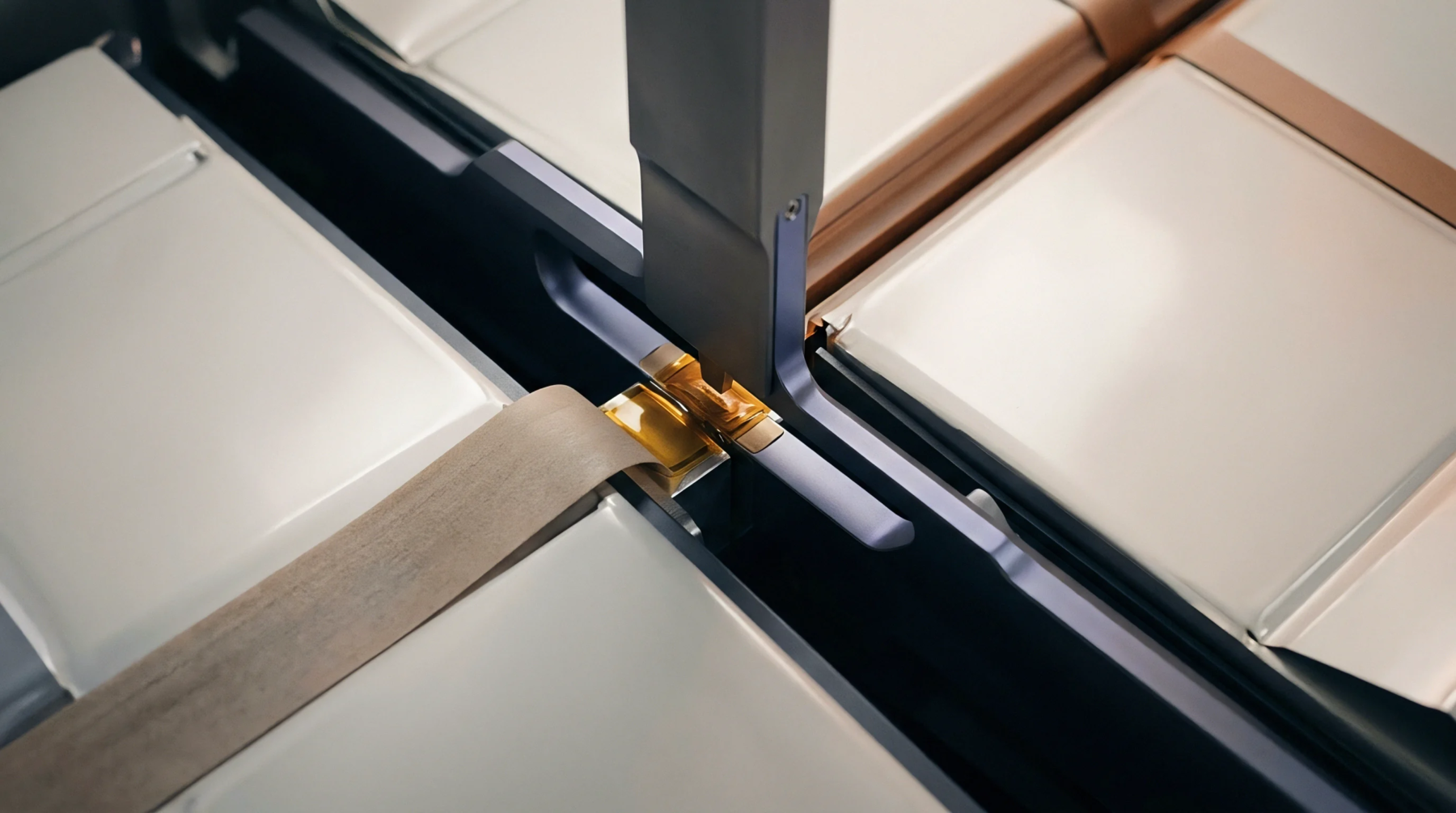
Prismatic cell subzero charge acceptance requires strict current derating below zero degrees Celsius to prevent irreversible metallic lithium plating.
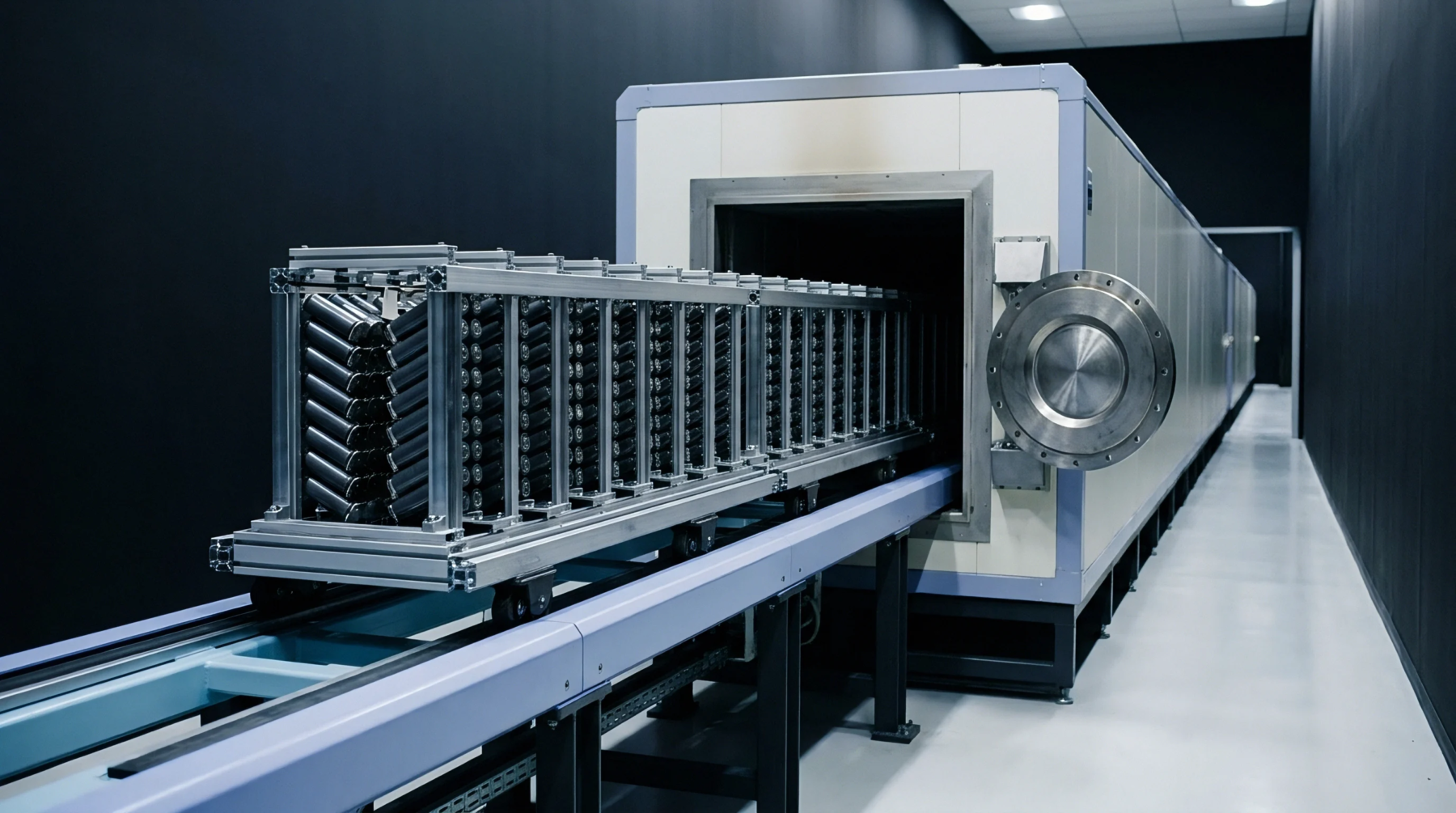
Thermally corrected degradation mode quantification decouples kinetic impedance masking from true lithium inventory loss to prevent false warranty claims.
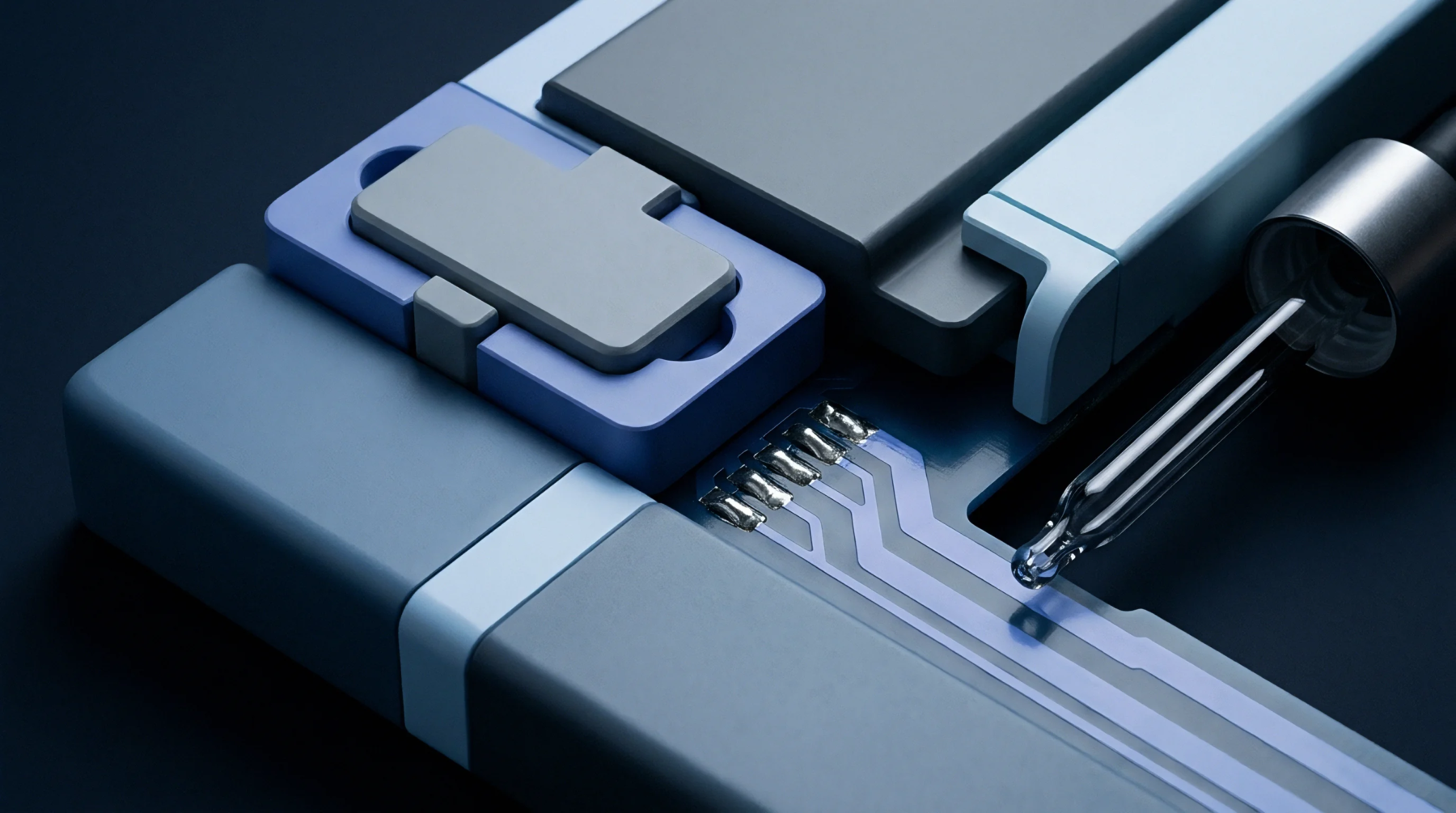
Microcalorimetric heat flow paired with differential voltage profiling separates passive chemical oxidation from active lithium loss during elevated storage.

Post-charge voltage relaxation inflection tracking reveals sub-zero metallic lithium plating before irreversible dendrite growth damages cold storage battery packs.

Sub-zero cell performance requires selecting chemistries with low desolvation energy, active thermal pre-heating, and verified low-viscosity electrolytes.
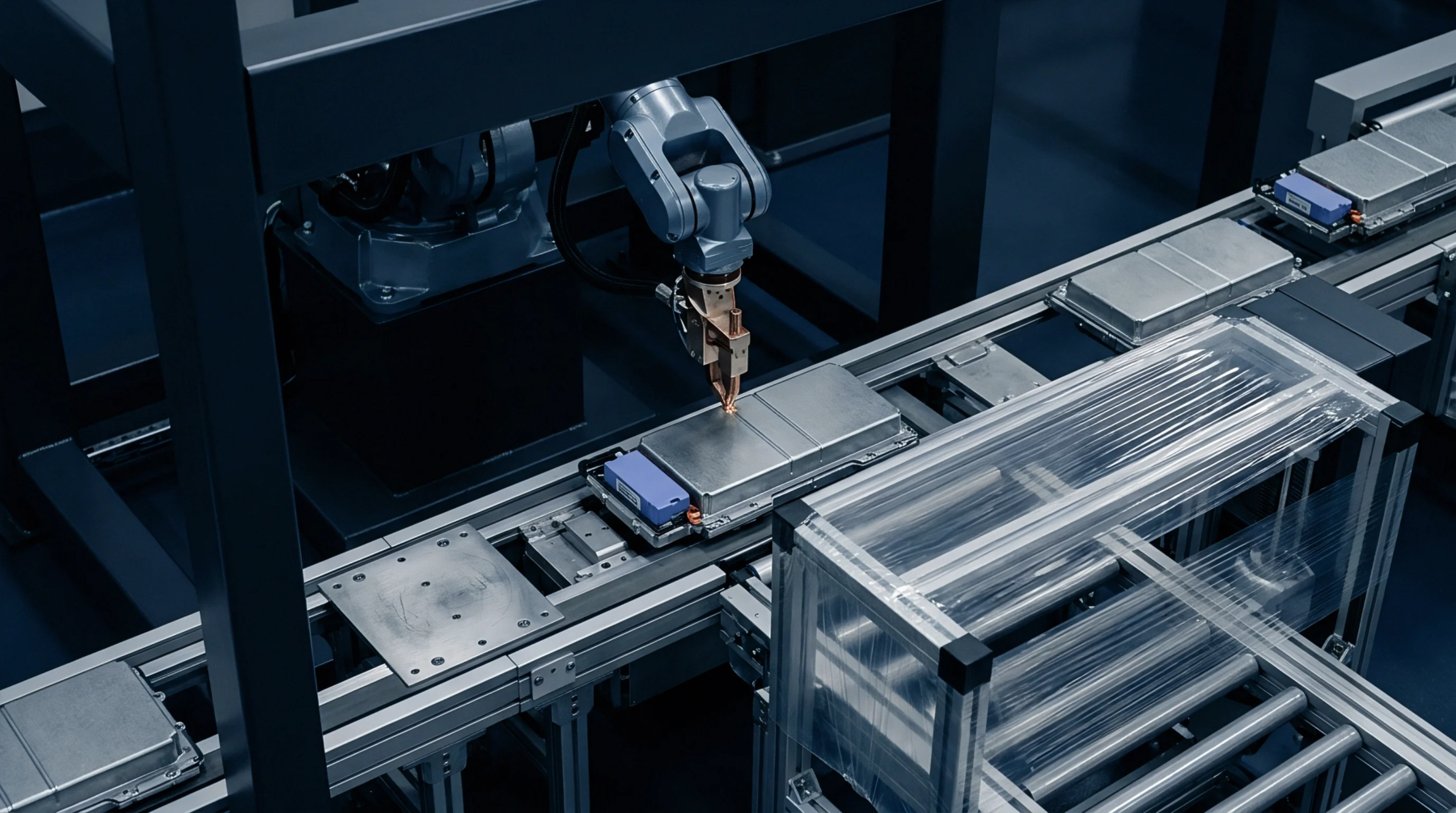
Nonlinear knee fade in LFP cells occurs when SEI growth exhausts cyclable lithium inventory, triggering rapid anode overpotential escalation and plating.

Three-electrode anode overpotential testing isolates uncompensated potential thresholds to prevent lithium plating during fast charge algorithm design
Sub-zero charging forces graphite anode potential negative, driving metallic lithium deposition, accelerating internal short risks, and invalidating safety transport certifications.

Reversible lithium stripping under cold operation requires voltage relaxation or dQ/dV diagnostic tracking to adjust BMS derating and protect cycle life.

Subzero charging forces graphite anode potential below zero volts against lithium, driving metallic plating over intercalation and causing rapid battery capacity loss.
Differential capacity peak tracking isolates phase slippage and plating to detect non-linear capacity knees hundreds of cycles before bulk retention fails.
Sub-zero battery procurement requires matching electrolyte desolvation limits with strict non-plating charge cutoffs to protect landed cell life and warranties.

Dynamic cross-plane thermal gradients drive non-uniform internal SEI growth, accelerating core degradation and shifting warranty liabilities on fast-charged cells.
Controlled initial reductive decomposition forms a dual-layer interphase that blocks electron tunneling while enabling lithium transport and transport compliance.

Subzero charge drives graphite surface potential below 0V vs Li/Li+, causing metallic lithium plating that demands temperature-compensated derating.

Electrochemical impedance transmission line modeling isolates micro-structural electrolyte salt depletion under continuous high-C discharge before voltage collapse.
Calendar capacity loss diagnostic separation isolates reversible lithium inventory depletion from permanent host lattice destruction to settle battery warranty liabilities.

Sub-zero charging forces graphite overpotential past zero volts, causing lithium plating that demands dynamic BMS C-rate derating to prevent rapid battery fade.
Sub-zero graphite lithiation causes anode potential drops below 0V vs Li/Li+, triggering metallic lithium plating that demands temperature-dependent BMS current limits.
Local intercalation overpotentials in large format cells force anode potentials below 0V vs Li/Li+, causing lithium plating long before terminal voltage limits.
Expertise is a utility, not a secret. sentiention™ publishes its working knowledge as open reference: intelligence layer covering the materials it sources, the markets it enters, and the reference that serves both.