Meaning
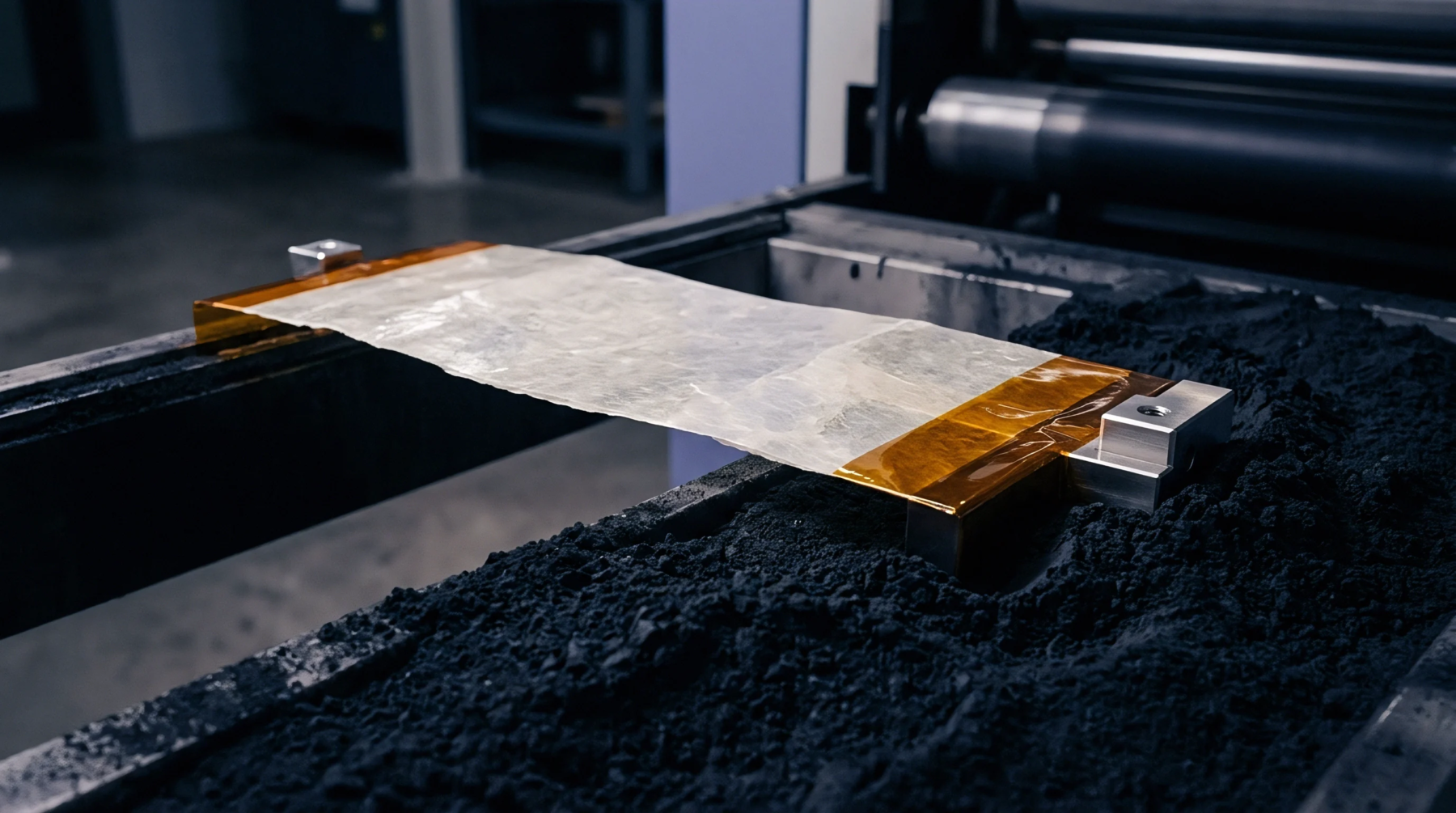
Advanced anode chemistry utilizes lithium titanate oxide as the host material for ion intercalation instead of the standard graphite. This lto technology allows for extremely high charge and discharge rates and a very long cycle life compared to other lithium ion variants. It measures the electrochemical performance of the cell in terms of power density and thermal stability.
The nominal voltage of a cell with this chemistry is typically around two and four tenths volts, which is lower than traditional cells. It stops being the preferred choice for applications where high energy density and low weight are the primary requirements.
Anode Crystal Stability
Substitution of graphite with a spinel crystal structure provides a more robust framework for the movement of lithium ions. Because the lto material undergoes negligible volume change during the charge and discharge process, it is often referred to as a zero strain material. This physical stability prevents the mechanical degradation of the anode that typically limits the life of other batteries.
The lack of an expansive solid electrolyte interphase layer also contributes to the longevity of the system. This allows the battery to survive tens of thousands of cycles with minimal loss of capacity. Higher manufacturing costs for the titanate material are the main drawback for this chemistry in the mass market.
Its superior durability makes it ideal for stationary storage and heavy duty transportation.
Power Rate Capability
Capability of the titanate anode to handle high currents makes it suitable for rapid charging applications in urban transit. An lto battery can be fully charged in less than ten minutes without the risk of lithium plating on the anode surface. This performance is possible because the electrochemical potential of the material is higher than that of graphite, preventing the formation of dendrites.
The high surface area of the active material further facilitates the rapid exchange of ions at the electrode interface. This makes it a primary choice for hybrid vehicles and industrial machinery that require frequent bursts of power. Thermal safety is also improved because the chemistry is less prone to exothermic reactions during a short circuit.
These technical advantages justify the premium price in specialized sectors where downtime must be minimized.
Energy Density Tradeoff
Lower operating voltage of the system results in a reduced total energy capacity per unit of volume or weight. While standard lithium ion cells offer high energy density, the lto variant focuses on power and longevity at the expense of range. This boundary means that more cells are required to achieve the same total energy, leading to a larger and heavier battery pack.
Most designers use this chemistry for short haul routes where fast charging is available at the end of the line. The chemistry is also highly effective in extreme cold where traditional graphite anodes struggle to function. Sourcing managers must evaluate the total cost of ownership rather than just the initial price of the cells.
Long term reliability and reduced replacement costs are the main drivers for selecting this technology.