Meaning
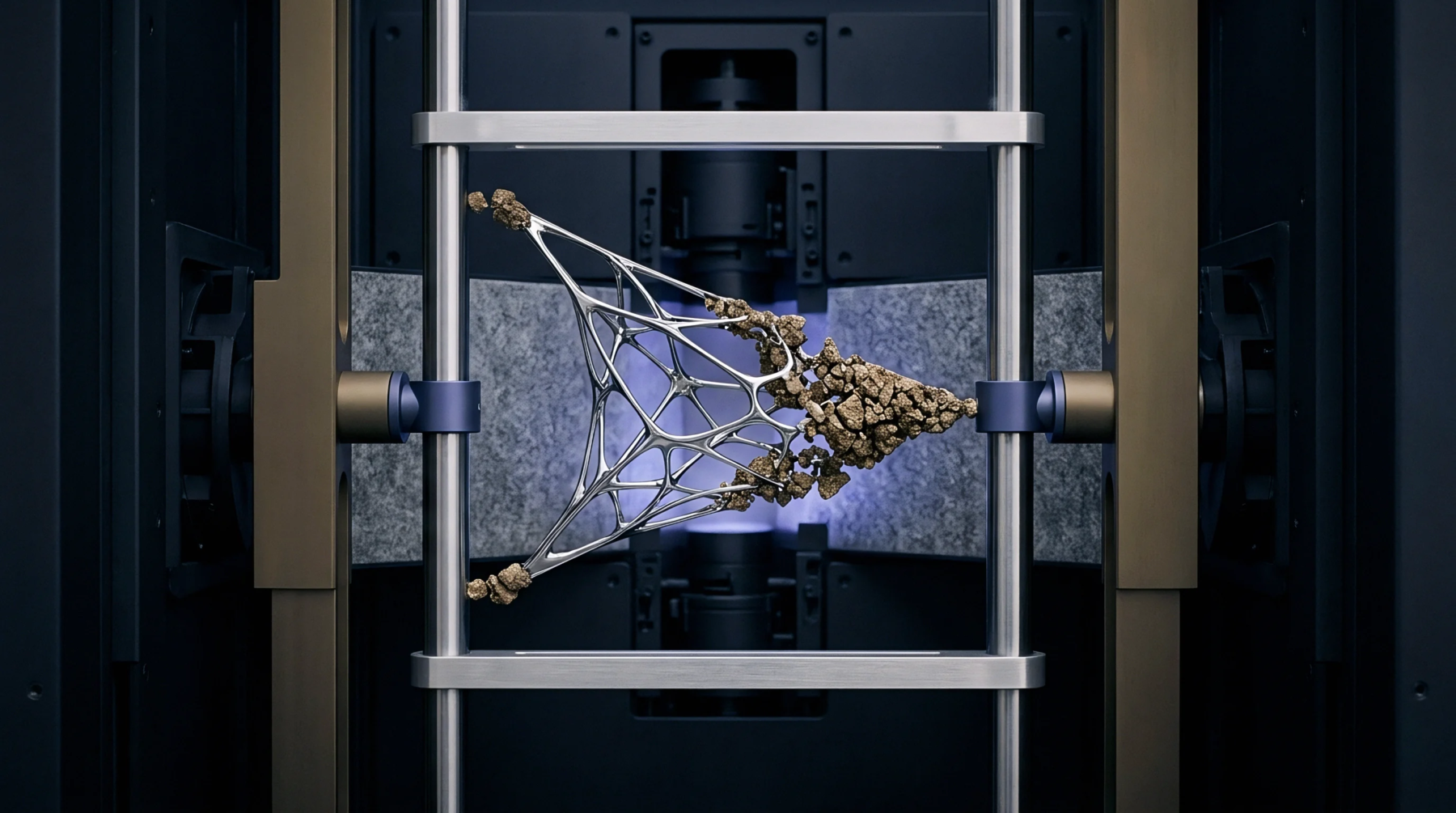
Load heterogeneity within a structural component defines the spatial pattern of internal forces acting upon materials under external physical influence. Mechanical stress distribution determines how a force applied to one surface travels through the lattice of a battery cell or a mechanical housing to arrive at an opposing junction. Engineers assess this phenomenon to predict where fatigue will accumulate during thermal cycling or vibration events.
Nonuniform pressure across a cell stack results in localized degradation of internal separators and electrode coatings.
Force Geometry
Vectors of compression and tension define the pathways taken by energy loads within an assembly. Rigid casing designs force the internal mass to absorb energy in specific zones rather than allowing for uniform movement. Designers adjust the stiffness of current collectors to mitigate concentrated loads that might otherwise rupture thin films during routine operation.
Proper alignment of support structures reduces the shear forces that act upon individual components inside the module.
Operational Consequence
Cycle performance depends heavily on the consistency of the load profiles applied to active electrochemical materials. Increased density in localized regions accelerates the growth of solid electrolyte interphase layers and triggers premature capacity fade. Manufacturers rely on precise housing tolerances to ensure that each component occupies a predictable state of tension throughout the service life.
Thermal expansion creates dynamic adjustments to these patterns as temperatures fluctuate during high discharge rates.
Structural Validation
Acoustic emission sensors and pressure mapping films provide quantitative data regarding the intensity and location of these physical states during lab trials. Controlled testing allows technicians to observe how variations in mounting brackets affect the load path across the entire device architecture. Finite element analysis provides a numerical simulation of the stress fields before physical prototypes reach the assembly stage.
Uniformity in the application of mechanical loads serves as a primary predictor for the long term structural integrity of high energy density battery systems.