Meaning
Electrostatic discharge hazards in industrial processing environments are evaluated by measuring the sensitivity of flammable mixtures to spark ignition. The parameter known as minimum ignition energy is the lowest capacitive spark energy that can combust a specific concentration of a flammable gas or dust in air. This value determines the level of static control required within a manufacturing or handling facility.
Hazard Assessment
Process safety engineers use this metric to categorize the risk level of different materials and to design protective grounding networks. Gases like hydrogen have an extremely low energy threshold, requiring less than twenty microjoules to combust, which is far below the energy of a typical static spark from a human body. In contrast, many combustible dusts require thousands of times more energy to combust, allowing for different levels of grounding protocols.
These distinctions help companies avoid over-engineering their facilities while still ensuring appropriate protection where highly sensitive gases are present.
Testing Procedure
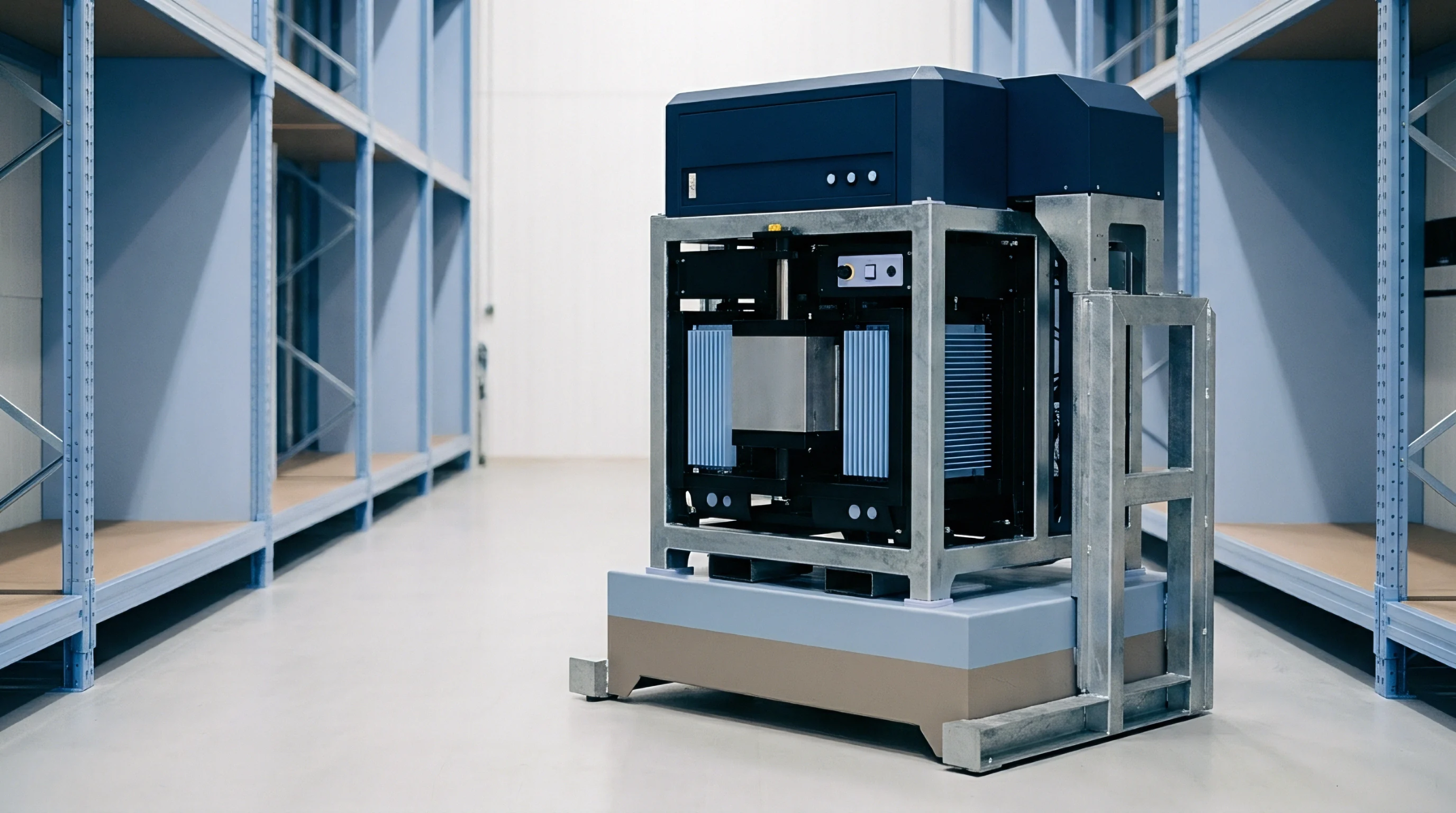
Standardized laboratory equipment utilizes a pair of electrodes to discharge a known electrical capacitance through a prepared mixture of the test substance and air. The test is repeated across different concentrations to find the most sensitive mixture, which yields the lowest energy value. This ensures that the recorded parameter represents the worst-case scenario for the substance being evaluated.
Prevention Protocol
Preventing combustion in environments with low-energy fuels requires the complete elimination of static-generating materials and the use of intrinsically safe electrical circuits. Workers in these zones must wear dissipative footwear and anti-static clothing to prevent the accumulation of charge on their bodies. These protective measures ensure that any potential static discharge remains well below the energy threshold needed to start a fire.