Meaning
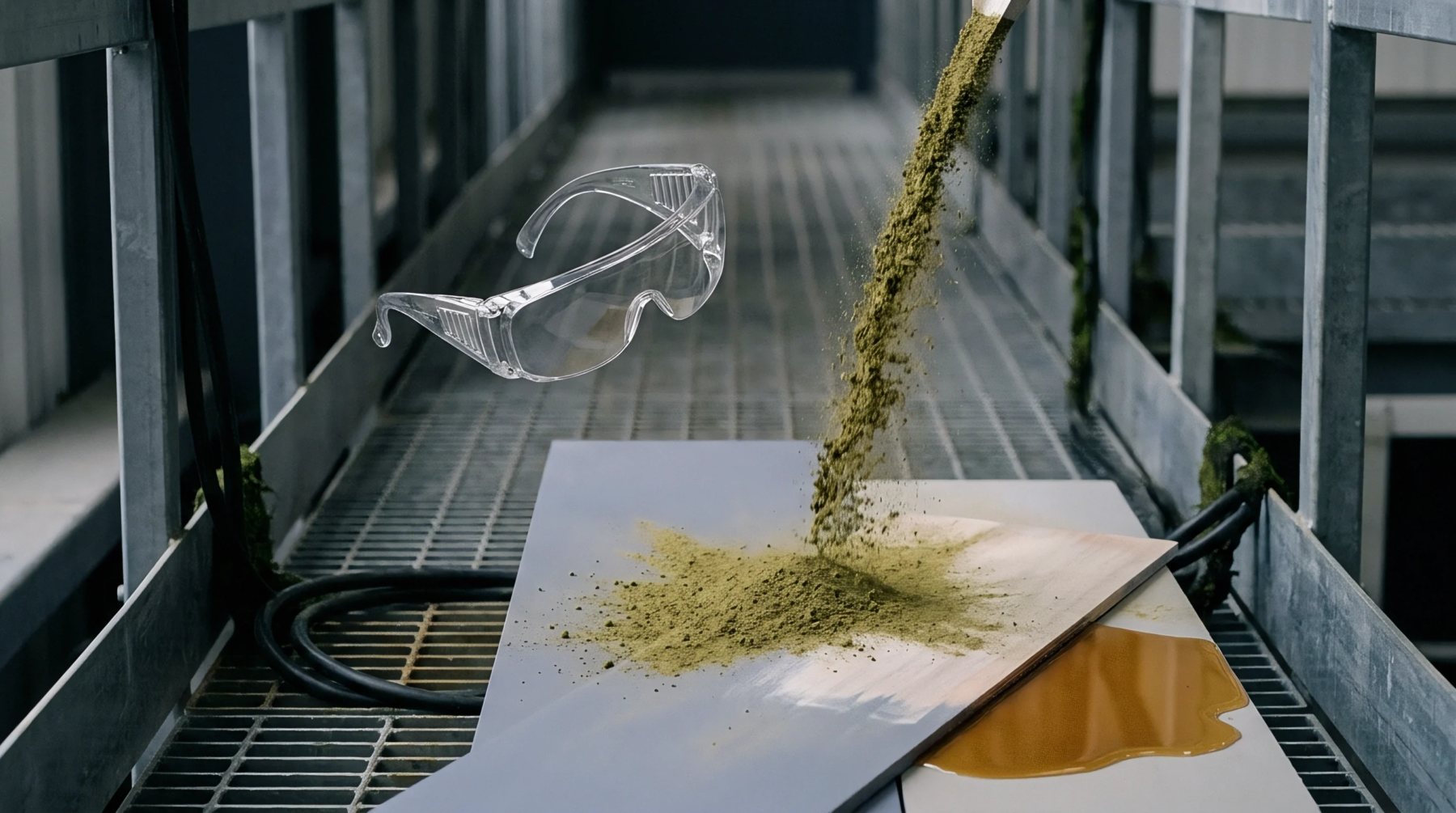
Advanced metallurgical alloys produced through powder metallurgy processes provide exceptional wear resistance and structural toughness for high-precision manufacturing tooling. This high-performance material class, known as PM tool steel, is used to manufacture the cutting blades and compaction dies used in battery production. Sourcing managers specify the use of this material to ensure that manufacturing equipment can withstand the continuous wear of processing abrasive active materials.
When traditional tool steel fails prematurely, it causes costly production delays and high rates of electrode defects. This specialized steel offers a uniform microstructural profile that extends the life of critical tools.
Material Structure
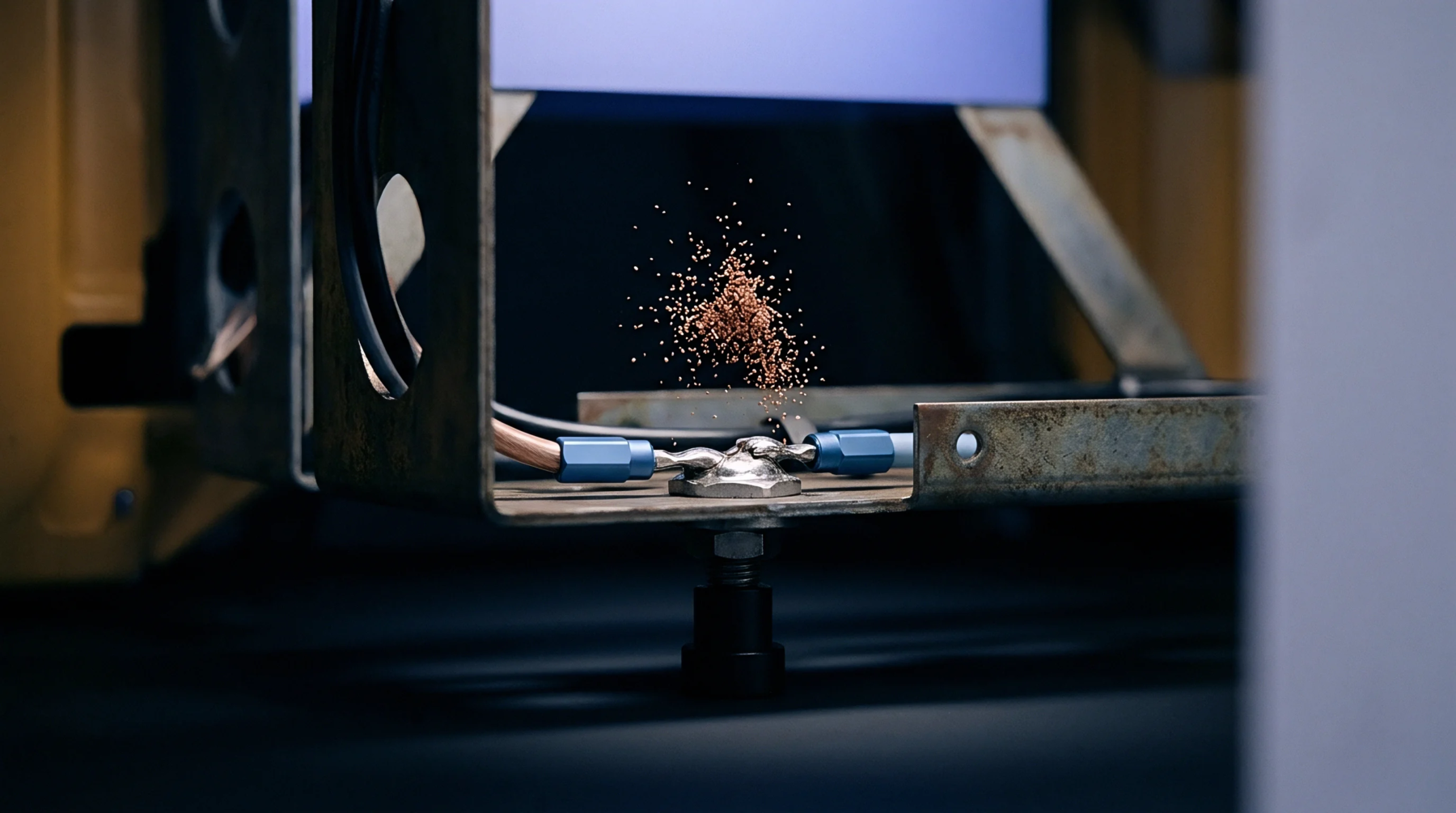
Rapid solidification of metal powder creates a highly homogeneous distribution of fine carbides throughout the steel matrix. This PM tool steel avoids the large, brittle carbide clusters that are common in conventional cast steel. The uniform structure prevents localized stress concentrations and micro-cracking during heavy use, resulting in a material with a superior combination of hardness and toughness.
This unique microstructure is critical for maintaining sharp cutting edges.
Tooling Advantage
Exceptional wear resistance and dimensional stability are the primary benefits of using these powder metallurgy alloys for battery manufacturing equipment. Stamping and slitting blades made from this steel maintain their precision edges for millions of cycles, reducing the occurrence of metal burrs on the electrodes. These burrs must be avoided, as they can penetrate the separator and cause internal short circuits.
The long lifespan of these blades reduces maintenance needs and ensures high product quality.
Procurement Value
Sourcing decisions for high-volume battery manufacturing lines depend on the total wear per million cuts of the tool steel used. While components made from PM tool steel have a higher initial cost, their long-term value is demonstrated by reduced downtime and lower tool replacement rates. Sourcing managers evaluate the wear specifications of different alloys to qualify suppliers for high-speed electrode slitting lines.
Selecting these advanced materials protects the automated production schedule, minimizes scrap and ensures a high-yield manufacturing process.