
Melt Superheat and Gas Pressure Calibration for Tool Steels
Melt superheat fixes metal viscosity while gas pressure sets atomization shear energy, directly controlling powder size, cooling rate, and carbide morphology.
Melt superheat fixes metal viscosity while gas pressure sets atomization shear energy, directly controlling powder size, cooling rate, and carbide morphology.

Dynamic regulation of gas supply pressure preserves aspiration differential at close-coupled nozzles, eliminating melt freeze-off and controlling powder size.

Entrapped argon porosity reduces tool steel transverse rupture strength by creating surface-adjacent stress concentrations that lower Weibull reliability.

Rapid droplet solidification dynamics dictate grain size, microsegregation, and sphericity in battery powder synthesis, setting tap density and yield.
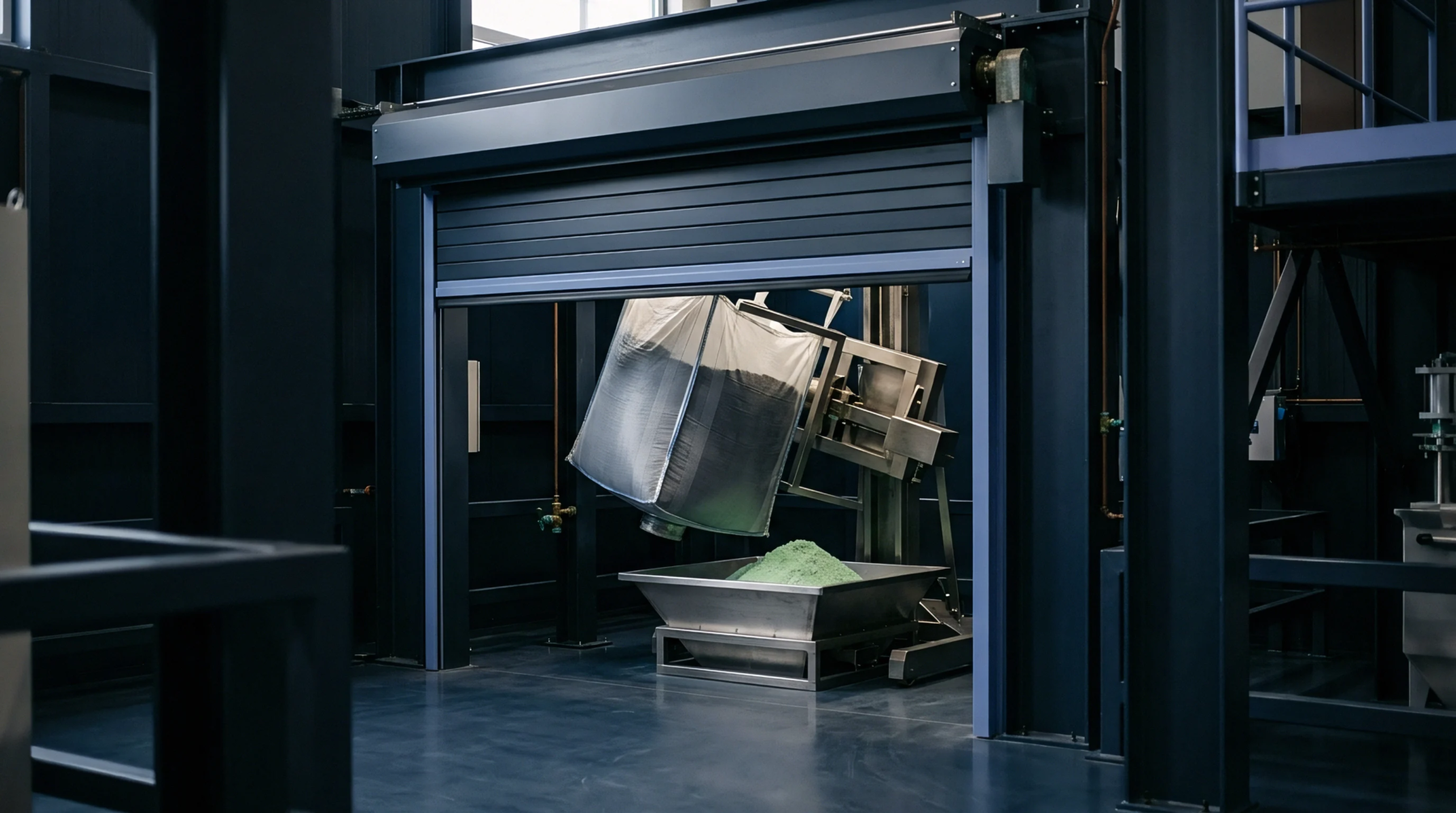
Gas atomization parameters and nozzle delivery pressures dictate argon entrapment levels, governing melt superheat control and inert gas mass monitoring.
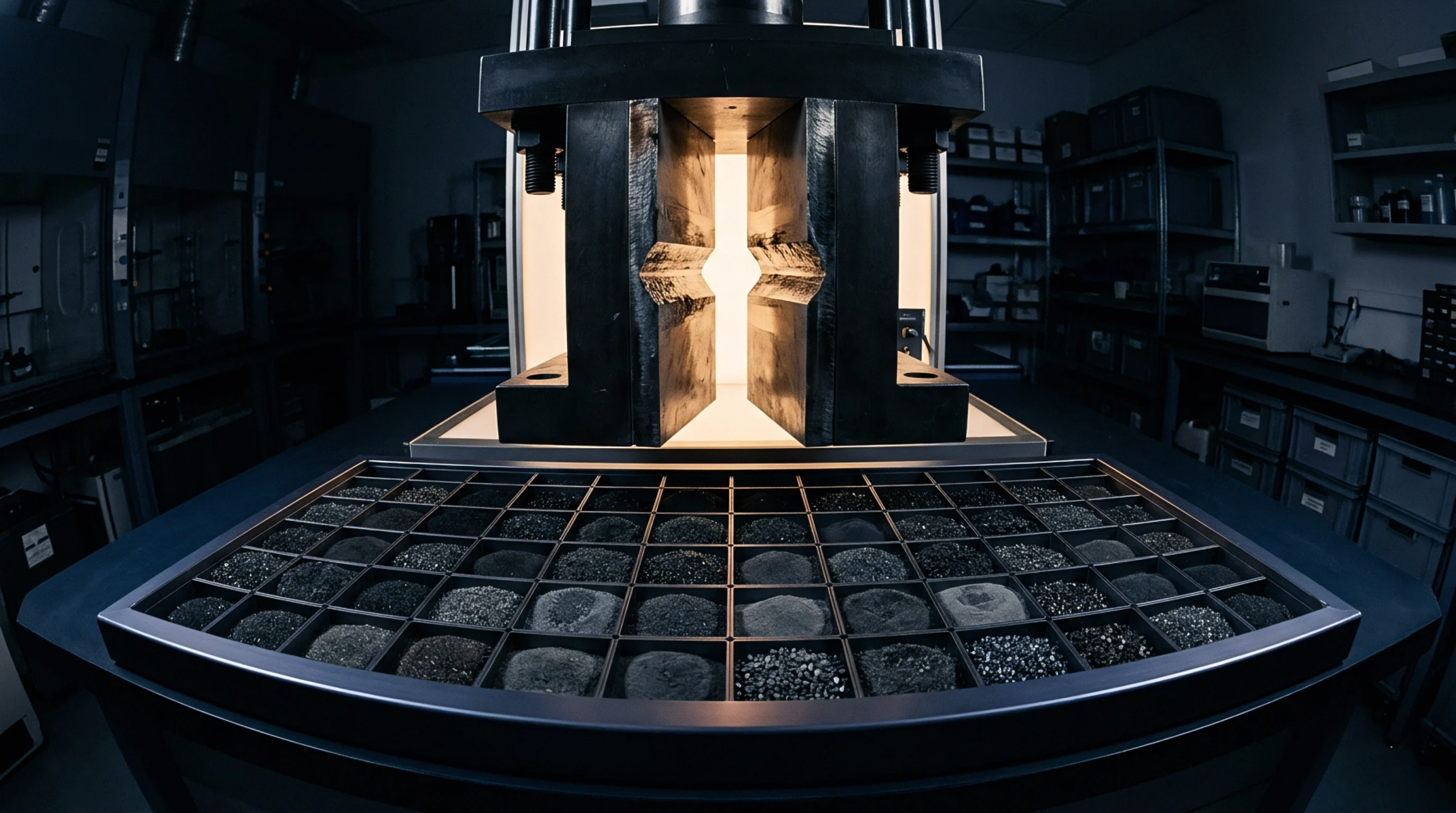
Maintaining gas atomization pressure between 2.5 MPa and 4.0 MPa optimizes particle sphericity while suppressing fine satellite dust in battery precursor synthesis.
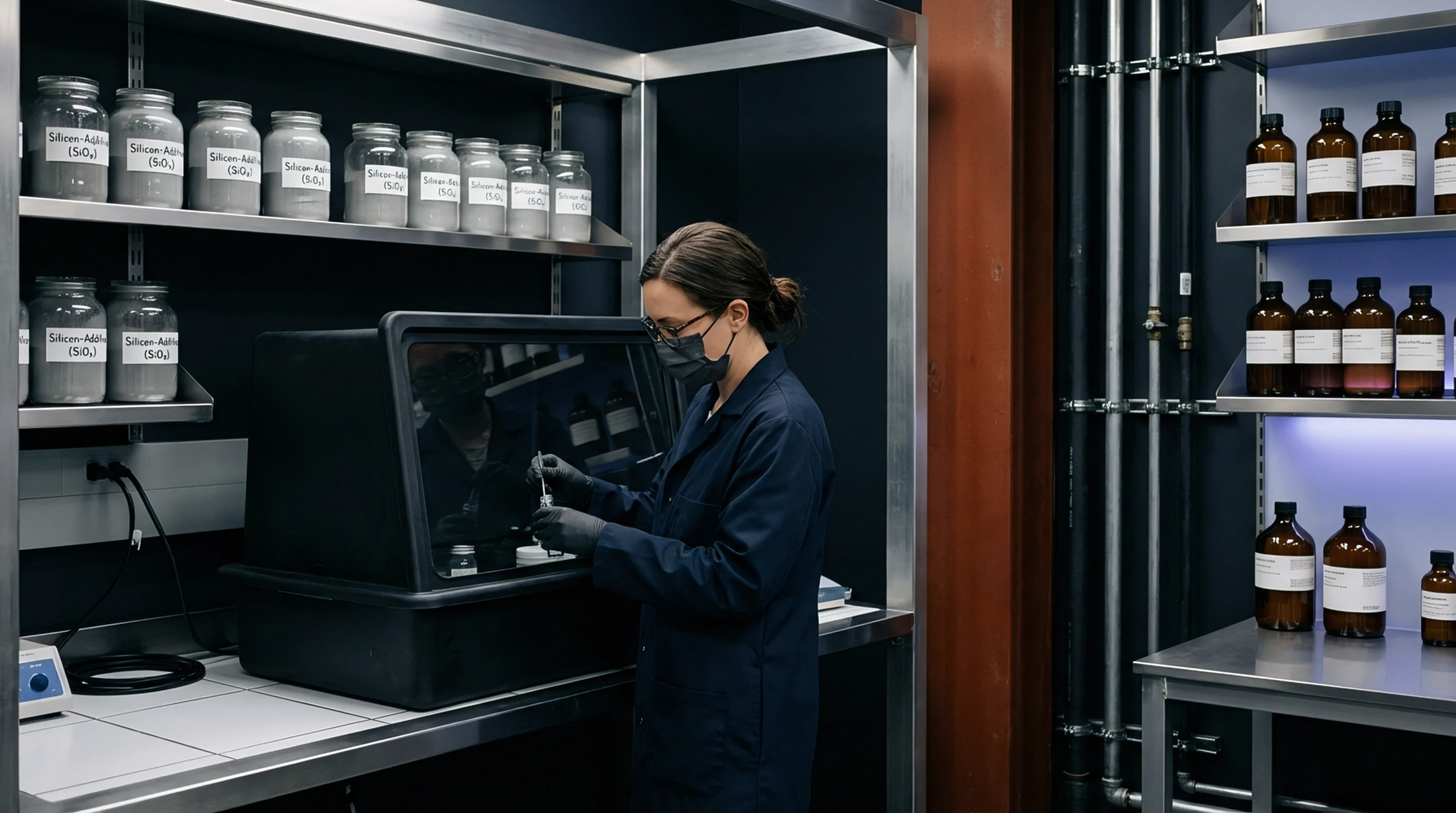
Carbothermic oxide dissolution during heat treatment clears interparticle films in high vanadium powder metallurgy steels to maximize transverse rupture strength
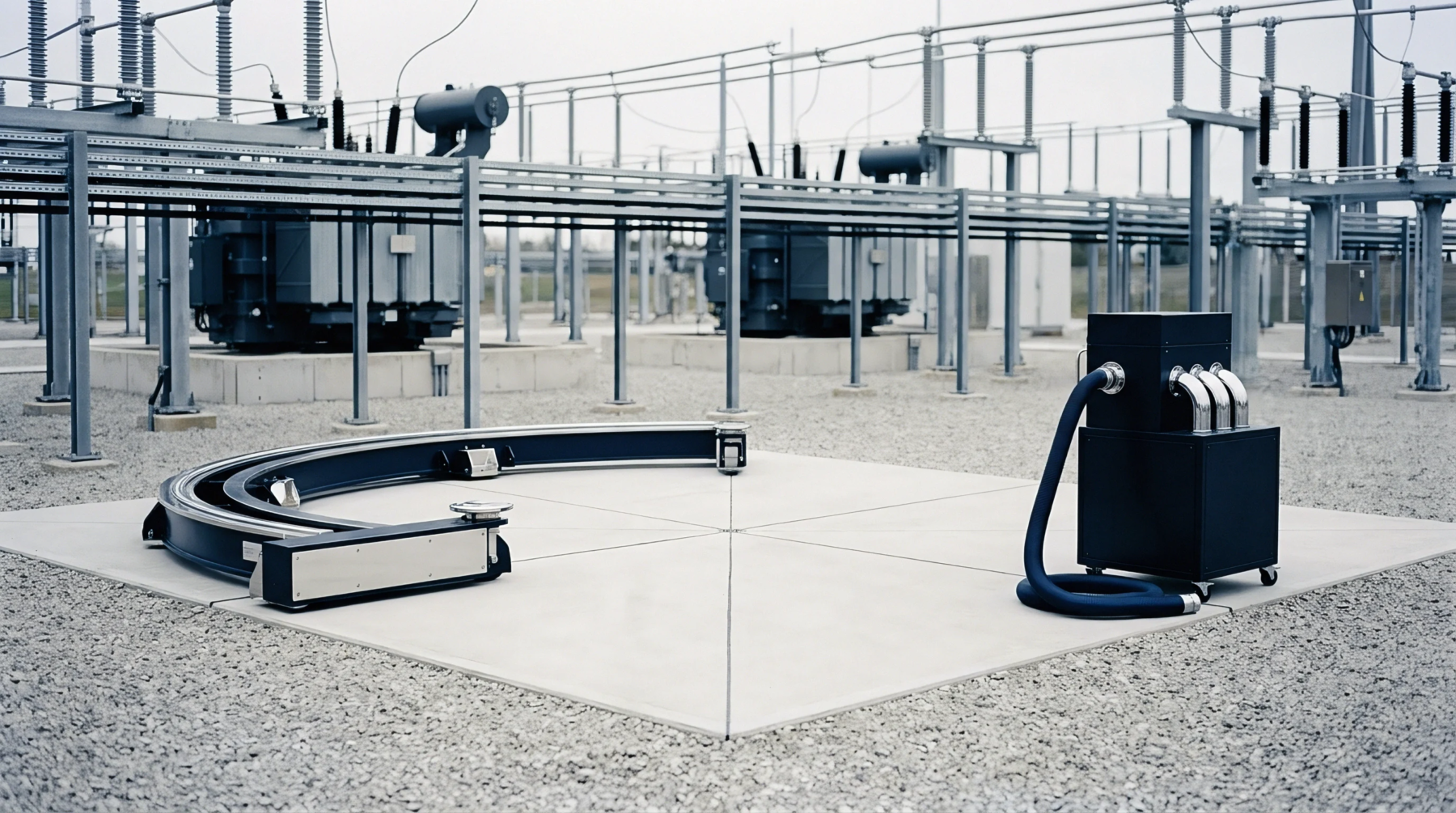
Controlling melt superheat and nozzle pressure limits vapor pressure elemental loss while helium purge or vacuum degassing eliminates micro-cavity gas voids.

Gas-atomized tool steel solidification kinetics suppress coarse primary carbides, enabling sub-micron MC distributions that eliminate slitting blade micro-chipping.
Kinetic solute trapping in rapid atomization suppresses coarse silicon crystallites by overriding equilibrium partitioning above critical interface speeds.

Entrapped inert gas expands inside softened tool steel matrix during post-HIP thermal cycles, requiring strict degassing and vacuum TIP testing to verify integrity.

Modeling solute trapping kinetics during droplet cooling establishes exact gas atomization parameters to freeze supersaturated alloy phases for high-life battery anodes.
Internal argon trapped during atomization expands under heat treatment, requiring strict desorption limits to prevent thermally induced porosity.
Inert gas atomization of tool steels requires precise superheat control, supersonic argon nozzles, and closed-loop gas recycling to yield dense spherical powders.
Gas atomization of tool steel powders requires maintaining melt superheat at 150°C above liquidus and gas-to-metal ratio between 1.8 and 2.5 to optimize yield.

Optimizing tundish superheat, gas-to-metal ratio, and cooling rates ensures uniform fine carbide distribution and eliminates thermal segregation in PM tool steel powder.

Vanadium carbide distribution in PM tool steels is governed by atomization droplet cooling rates and sets the structural limit for wear resistance and edge toughness.
Expertise is a utility, not a secret. sentiention™ publishes its working knowledge as open reference: intelligence layer covering the materials it sources, the markets it enters, and the reference that serves both.