
Melt Superheat and Gas Pressure Calibration for Tool Steels
Melt superheat fixes metal viscosity while gas pressure sets atomization shear energy, directly controlling powder size, cooling rate, and carbide morphology.
Melt superheat fixes metal viscosity while gas pressure sets atomization shear energy, directly controlling powder size, cooling rate, and carbide morphology.

Entrapped argon porosity reduces tool steel transverse rupture strength by creating surface-adjacent stress concentrations that lower Weibull reliability.

Entrapped argon voids in vacuum gas atomized powder cause thermally induced porosity during thermal processing, requiring tight argon specifications under 0.5 ppm.
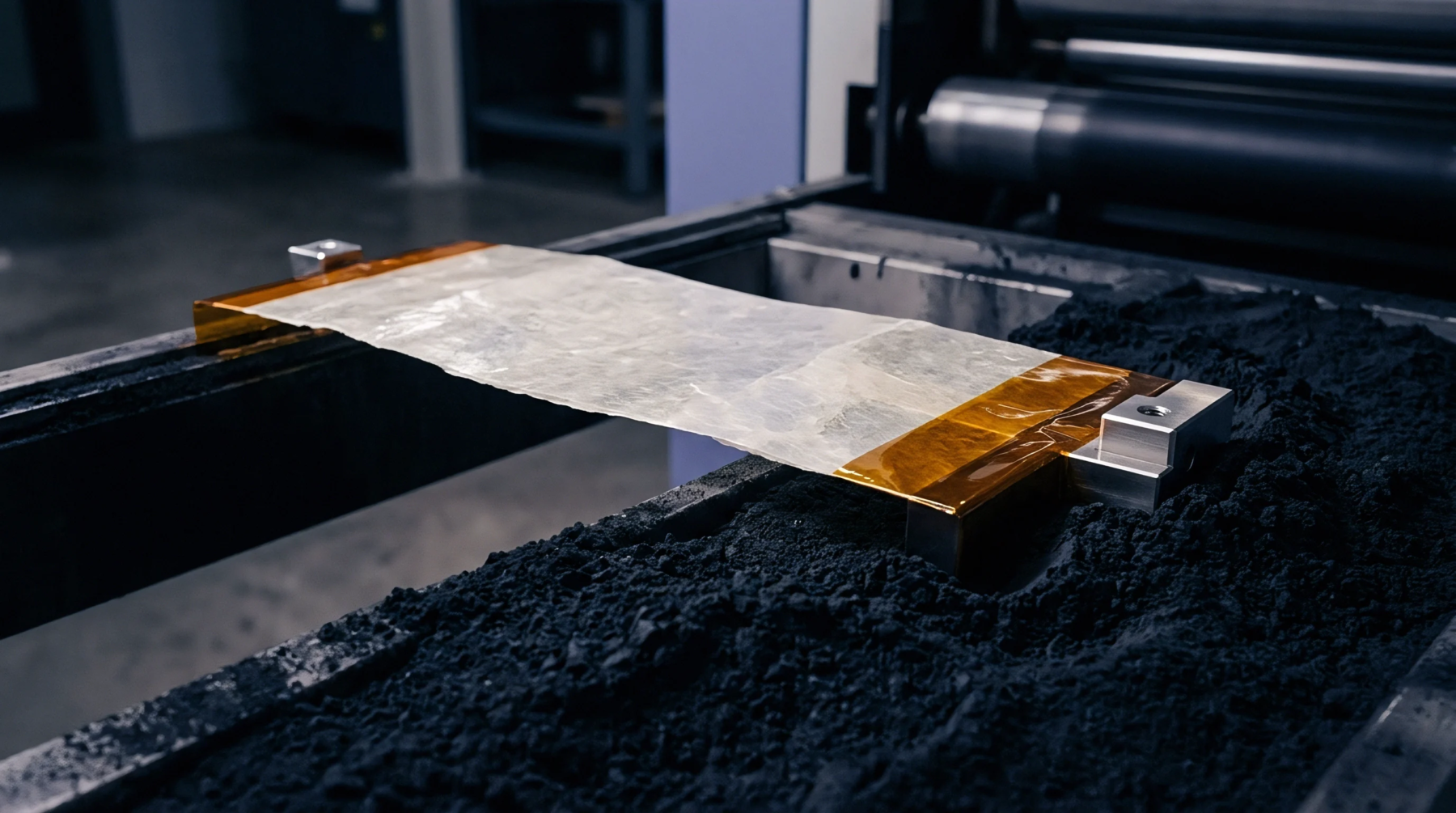
Thermally induced porosity expansion occurs when trapped argon exerts internal pressure exceeding matrix creep strength during high-temperature thermal exposure.

Gas atomization parameters and nozzle delivery pressures dictate argon entrapment levels, governing melt superheat control and inert gas mass monitoring.

Spatial point process modeling quantifies microstructural carbide clustering in powder metallurgy tool steels to prevent premature fatigue failure in tooling.

Dynamic strain rates lower consolidated alloy fatigue limits under transverse impact, requiring strict micro-void controls during hot isostatic pressing.

Multiaxial critical plane strain-life analysis models out-of-phase thermal and pressure fatigue on internal conformal cooling walls to prevent die failure.

Carbothermic oxide dissolution during heat treatment clears interparticle films in high vanadium powder metallurgy steels to maximize transverse rupture strength

Controlling melt superheat and nozzle pressure limits vapor pressure elemental loss while helium purge or vacuum degassing eliminates micro-cavity gas voids.
Vacuum outgassing atomized tool steel powders between 180 and 650 degrees Celsius under high vacuum removes surface contaminants and prevents particle boundary failure.
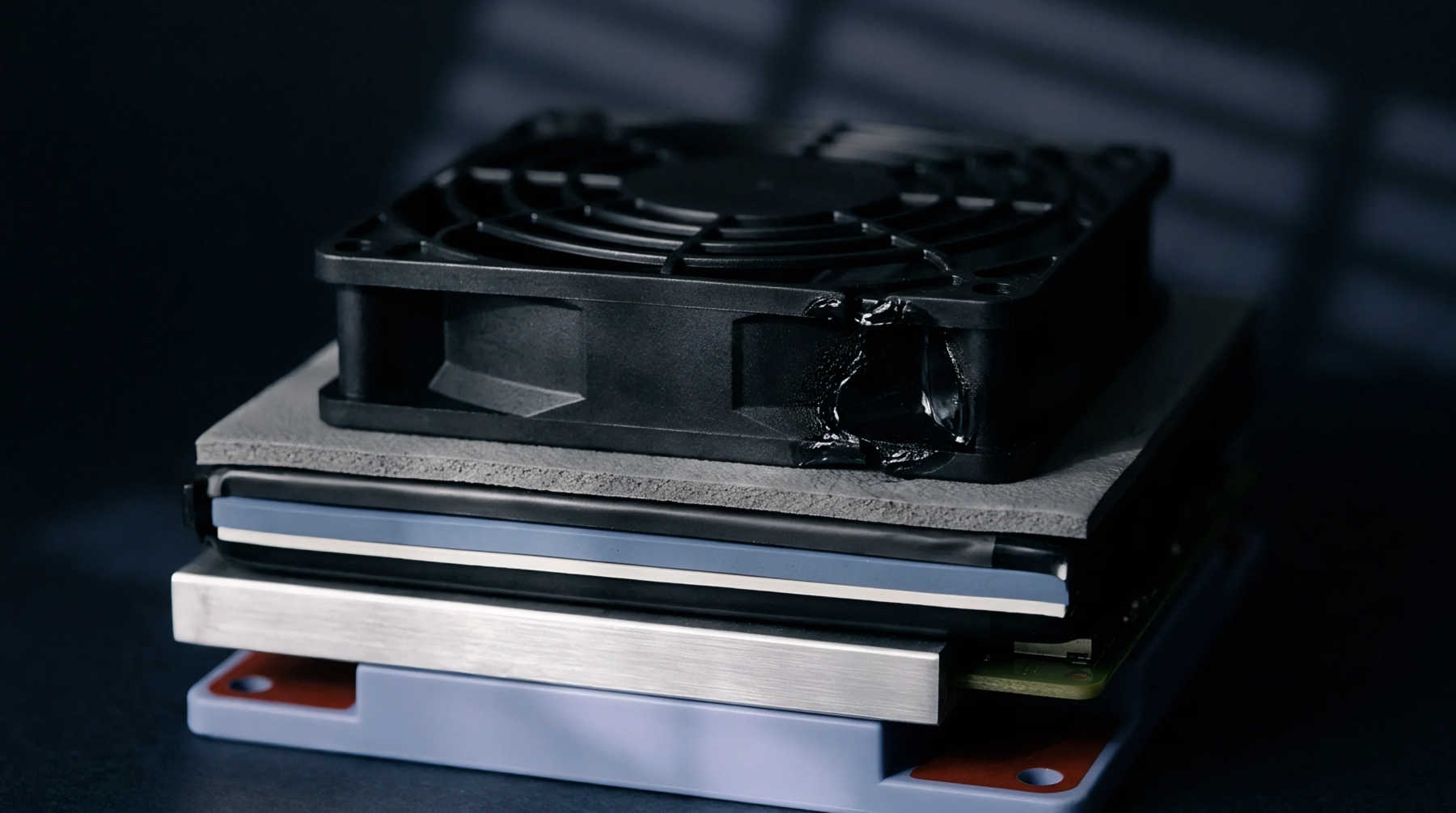
Gas-atomized tool steel solidification kinetics suppress coarse primary carbides, enabling sub-micron MC distributions that eliminate slitting blade micro-chipping.

Primary carbide banding in conventional ingot tool steels accelerates die fatigue cracking; specifying isotropic powder metallurgy steel extends tab punch life ten-fold.

Entrapped inert gas expands inside softened tool steel matrix during post-HIP thermal cycles, requiring strict degassing and vacuum TIP testing to verify integrity.
Microstructural shear fatigue limits in powder metallurgical steels depend on sintered density, pore geometry, and non-proportional strain paths.
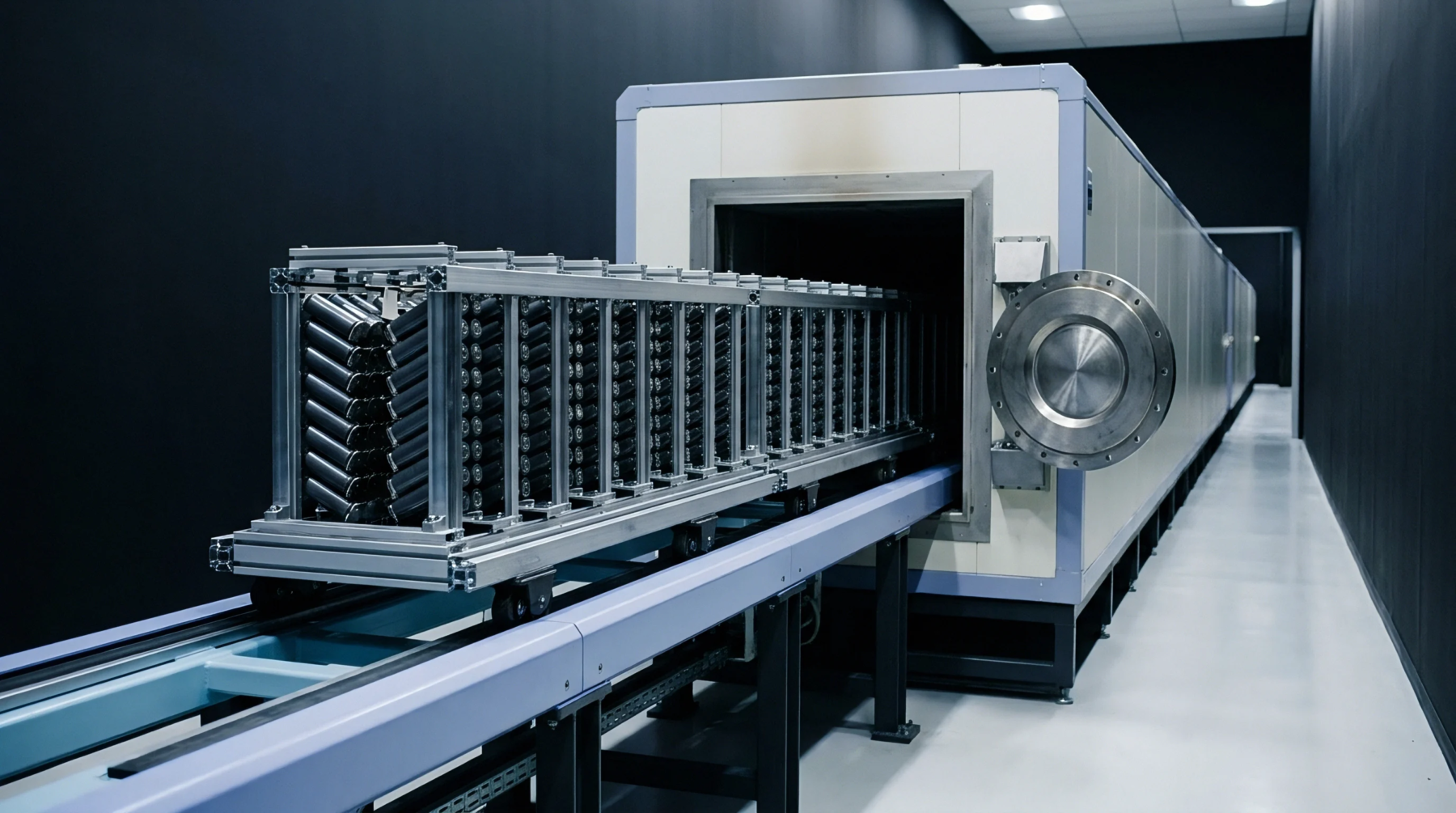
Argon void modeling links powder atomization physics to HIP kinetics, allowing buyers to set strict gas limits that prevent tool strength loss.
Internal argon trapped during atomization expands under heat treatment, requiring strict desorption limits to prevent thermally induced porosity.

Transverse impact anisotropy drops high-alloy consolidated steel toughness up to 66 percent, requiring directional stress alignment to prevent fatigue failure.
Quantifying carbide banding limits requires stereological ASTM E1268 rating of core cross-sections to cap anisotropy indices below 1.30 for tool steel billets.

Inert gas atomization of tool steels requires precise superheat control, supersonic argon nozzles, and closed-loop gas recycling to yield dense spherical powders.
Vacuum outgassing below 10-3 mbar and extended hold times at 1150°C break down subsurface oxides to ensure full interparticle bonding in tool steels.
Carbide nucleation kinetics during inert gas atomization are controlled by droplet cooling rates between 10,000 and 1,000,000 K/s, dictating PM steel toughness.

Optimizing tundish superheat, gas-to-metal ratio, and cooling rates ensures uniform fine carbide distribution and eliminates thermal segregation in PM tool steel powder.

Vanadium carbide distribution in PM tool steels is governed by atomization droplet cooling rates and sets the structural limit for wear resistance and edge toughness.
Expertise is a utility, not a secret. sentiention™ publishes its working knowledge as open reference: intelligence layer covering the materials it sources, the markets it enters, and the reference that serves both.