
In Situ Gas Generation Dynamics and Porosity Gradient Design in Hard Carbon Sodium Anodes
Gradient porosity in hard carbon sodium anodes directs initial formation gases to surface evacuation channels, protecting capacity and cell geometry.
Gradient porosity in hard carbon sodium anodes directs initial formation gases to surface evacuation channels, protecting capacity and cell geometry.

Phase transformation velocity limits in silicon anodes cause severe surface overpotentials and lithium plating whenever charging rates outpace two-phase boundary motion.
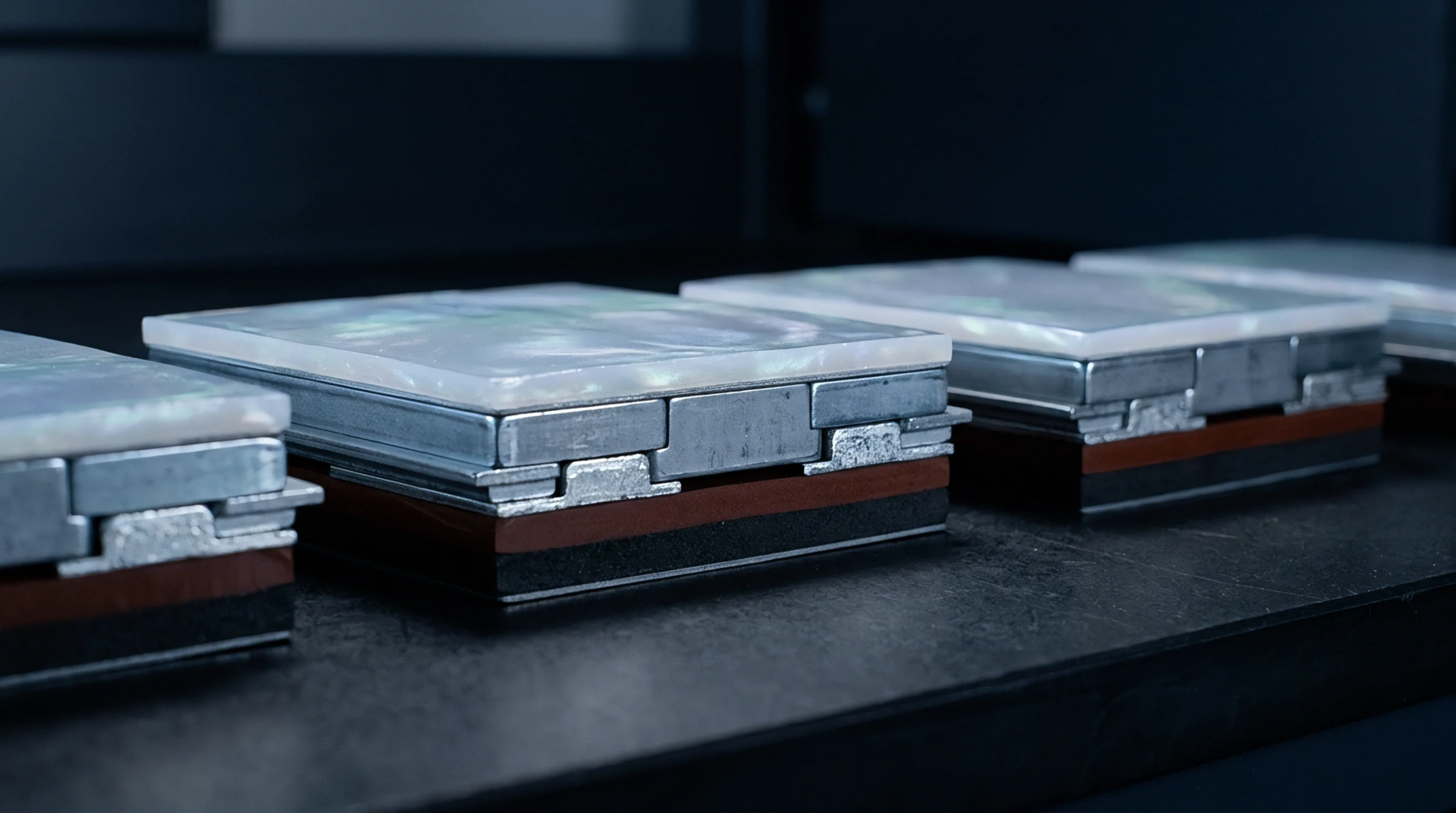
Thick silicon-graphite anodes charged below freezing suffer acute diffusion choke and lithium plating forcing current derating below zero point zero five C.
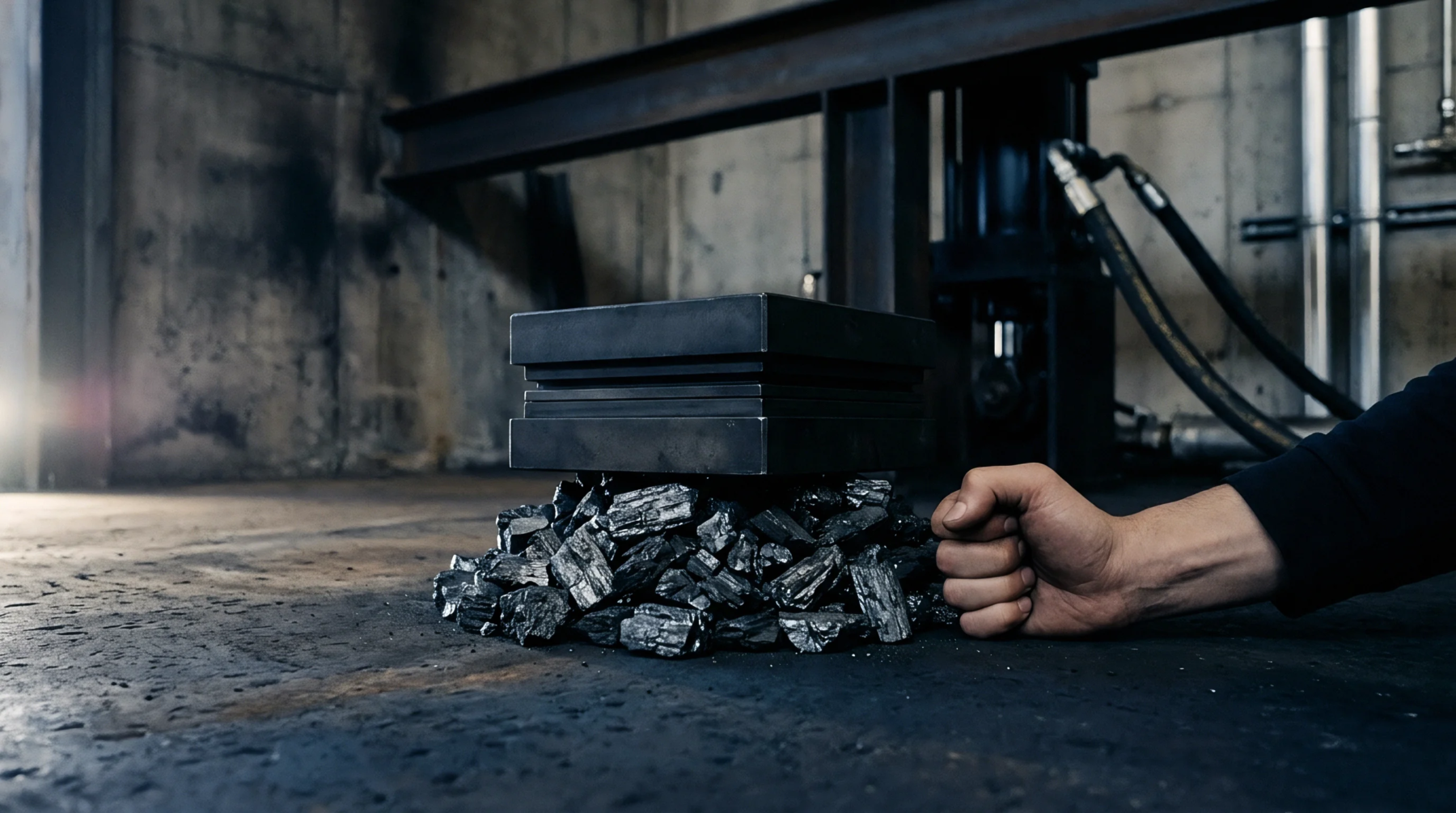
Hard carbon anode selection balances d002 spacing above 0.37 nm, BET area under 3 m2/g, and calender density below 1.05 g/cm3 to secure 88% initial efficiency.
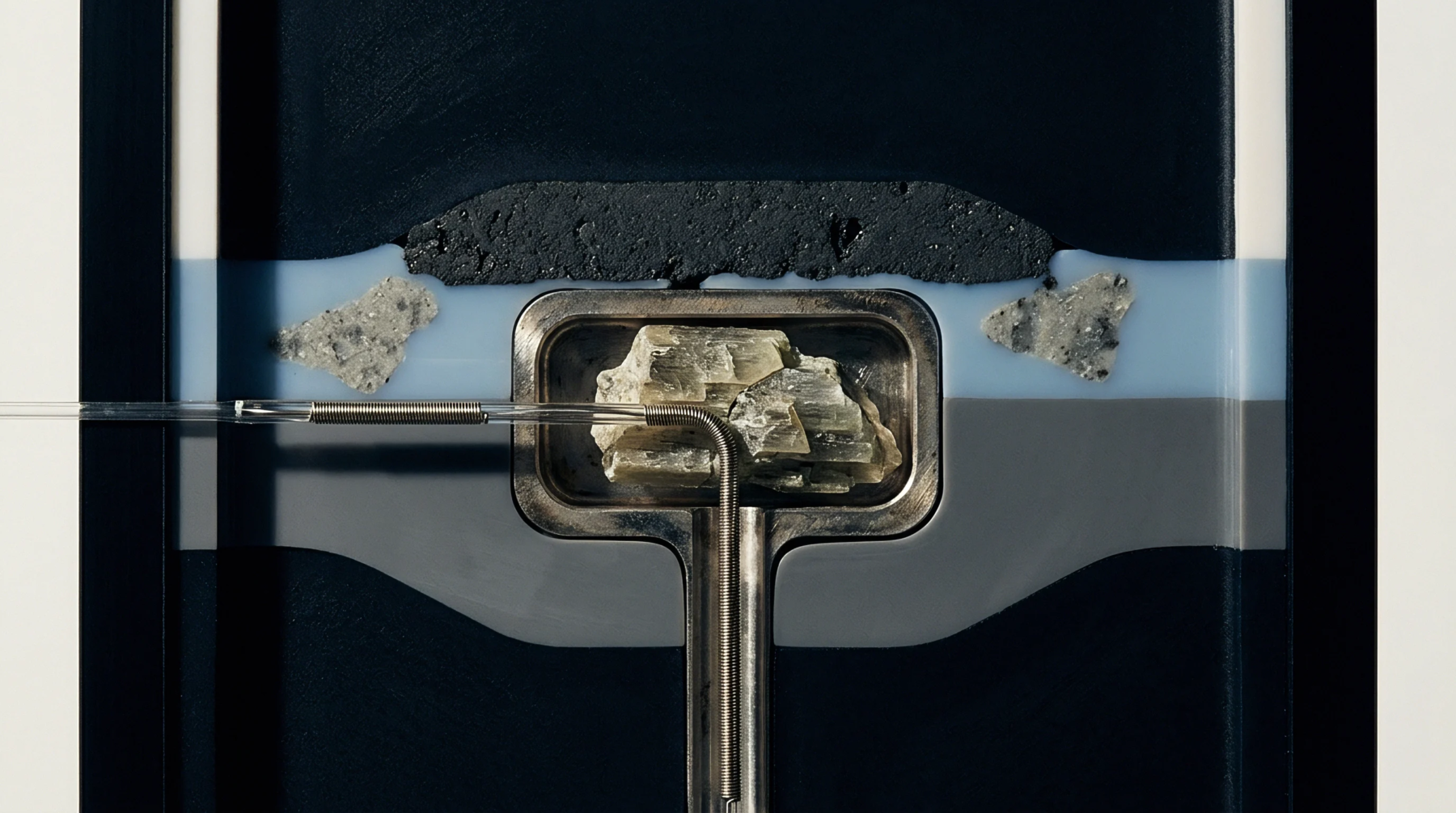
Silicon anodes demand strict lower cutoff voltage limits and cross-linked polar binders to restrict volume expansion and prevent continuous interphase degradation.
Expertise is a utility, not a secret. sentiention™ publishes its working knowledge as open reference: intelligence layer covering the materials it sources, the markets it enters, and the reference that serves both.