
Four Wire Kelvin Sensing Principles in Low Impedance Battery Testing
Four-wire Kelvin sensing isolates drive current from potential sensing, eliminating lead and contact resistance errors in sub-milliohm battery impedance tests.
Four-wire Kelvin sensing isolates drive current from potential sensing, eliminating lead and contact resistance errors in sub-milliohm battery impedance tests.
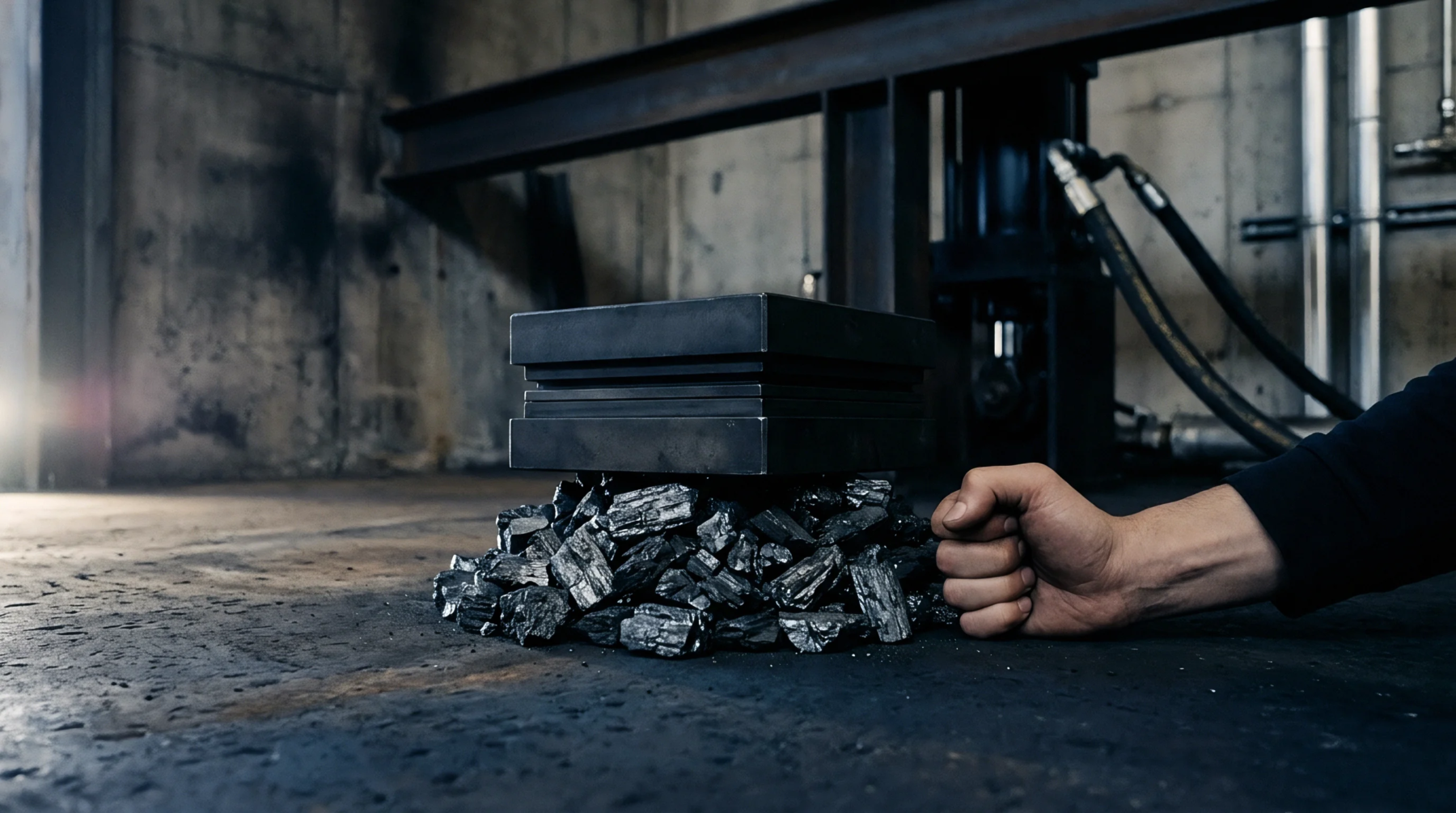
Hard carbon anode selection balances d002 spacing above 0.37 nm, BET area under 3 m2/g, and calender density below 1.05 g/cm3 to secure 88% initial efficiency.
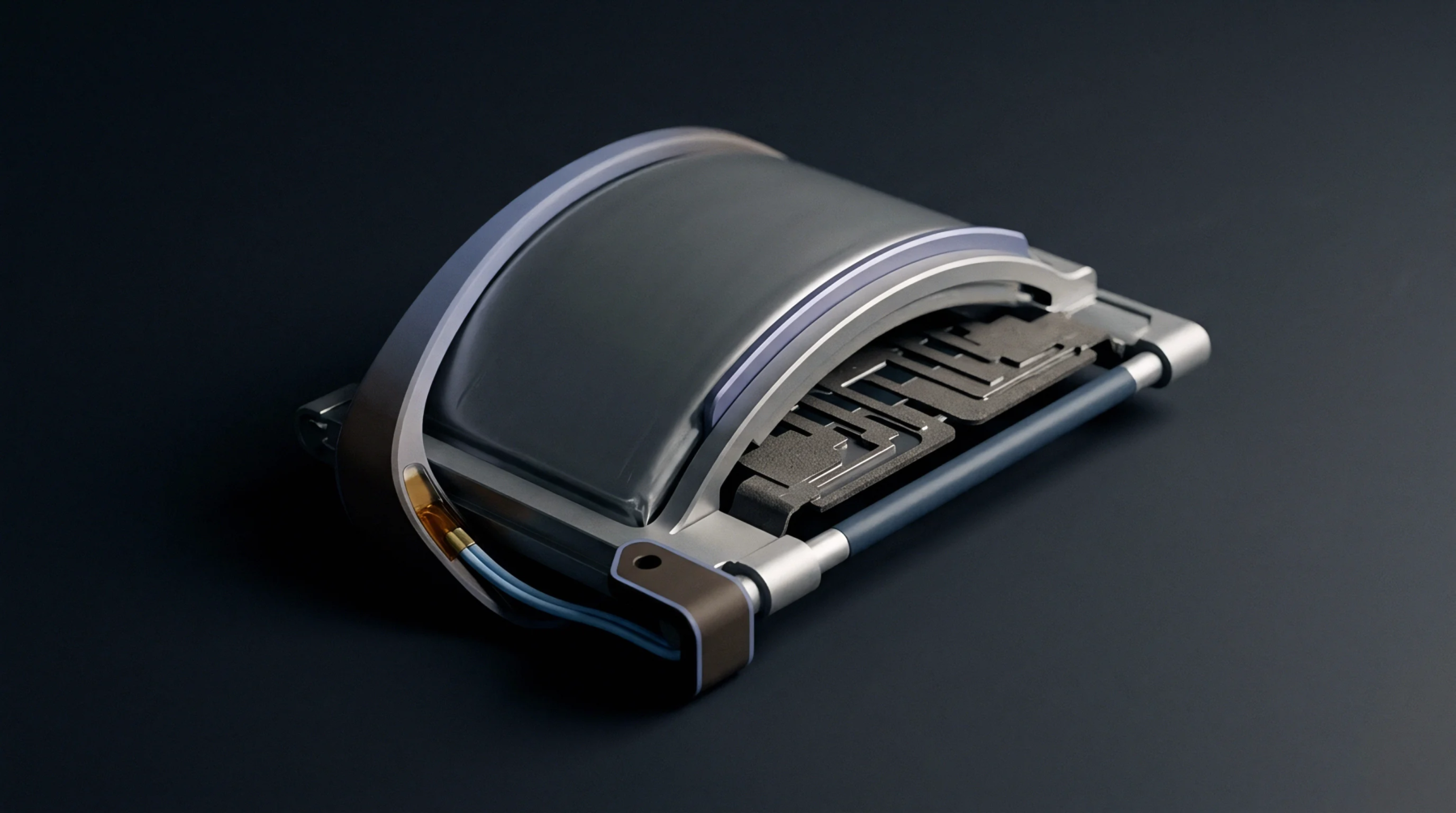
Sacrificial additive depletion in commercial pouch cells follows pseudo-first-order kinetics, triggering gas evolution and rapid impedance rise when exhausted.

Laboratory qualification of LiFePO4 cells demands precise mechanical clamping, strict IEC cycling regimes, and Arrhenius acceleration to verify true capacity retention.

Evaluating subzero cell capacity requires measuring charge transfer resistance and verifying thermal equilibration before accepting supplier datasheet claims.
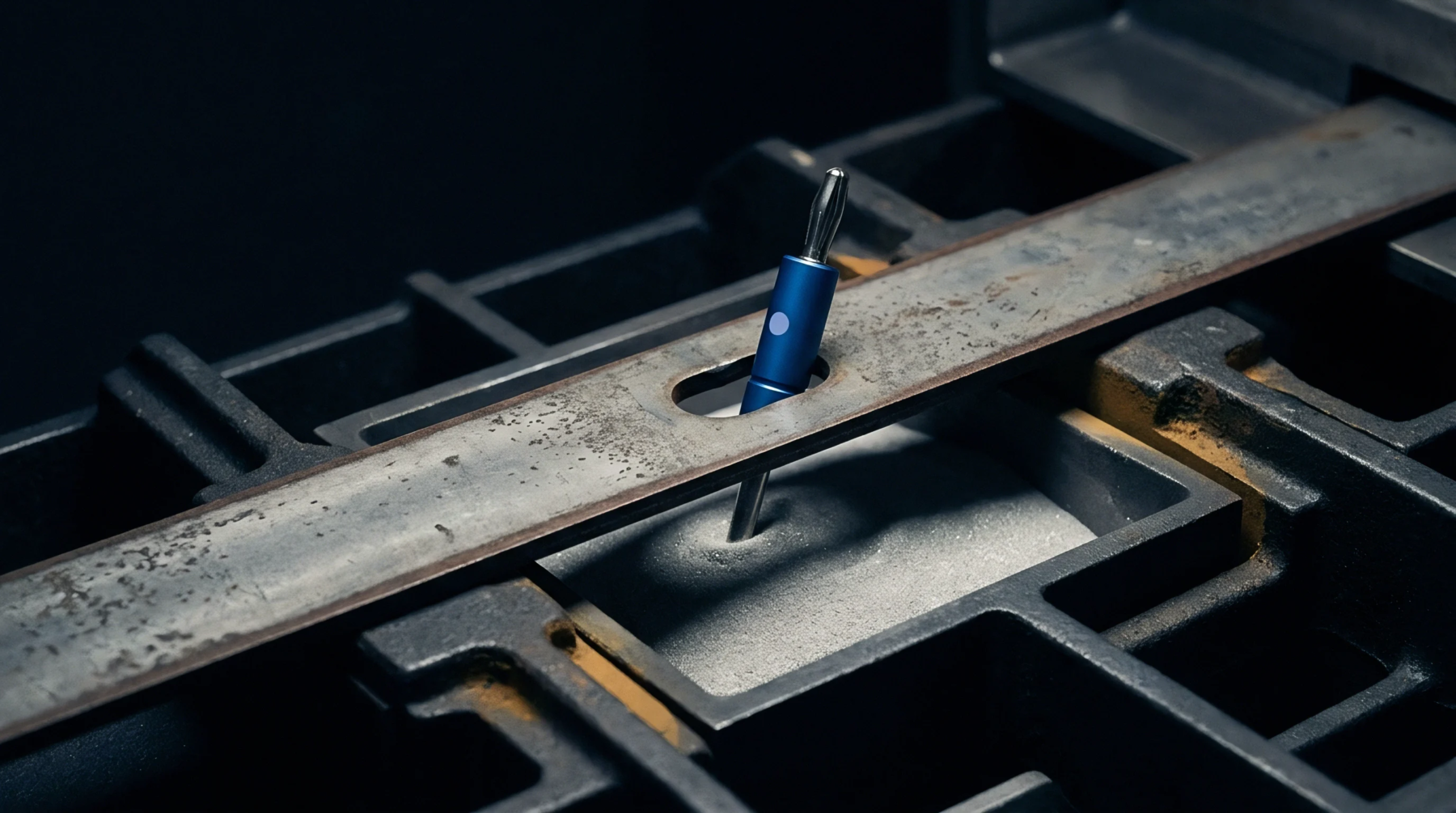
Four-wire Kelvin testing eliminates lead and contact resistance errors, enabling precise micro-ohm battery internal resistance measurement for cell grading.

Verifying cycle life requires auditing raw time-series logs against physical test conditions rather than relying on datasheet retention curves.

Cell screening protocols isolate thermodynamic voltage hysteresis from active capacity deficits to defend contract compliance and warranty reserve calculations.

Low temperature battery testing requires rigorous cold soak protocols, four-wire Kelvin sensing, and impedance analysis to ground supplier performance claims.

Laboratory cycle life claims hold commercial value only when test cut-offs, clamping force, four-wire telemetry, and Weibull distributions are verified.
Expertise is a utility, not a secret. sentiention™ publishes its working knowledge as open reference: intelligence layer covering the materials it sources, the markets it enters, and the reference that serves both.