Meaning
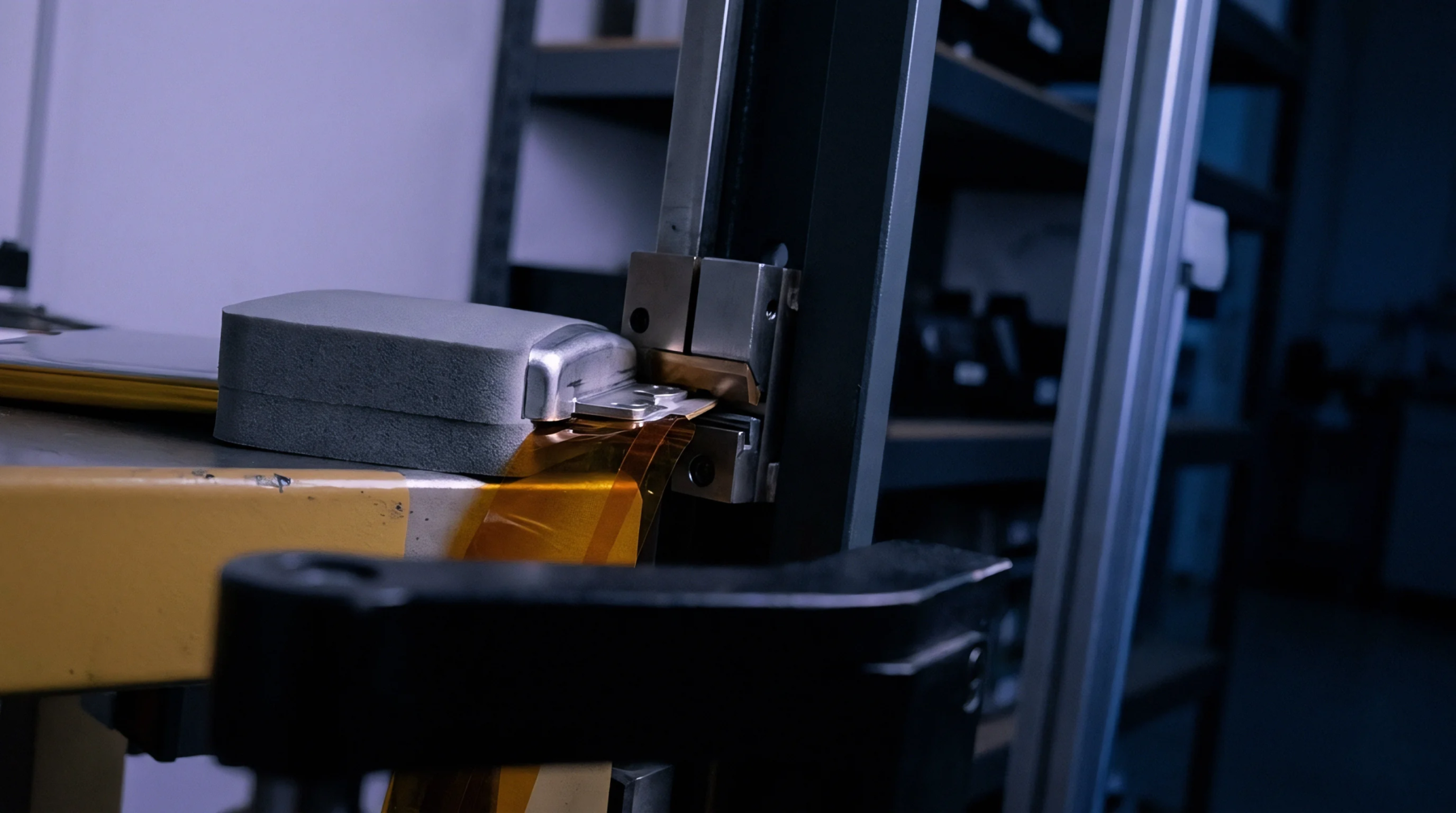
Thermal resistance limits exceeding two hundred degrees Celsius establish high-performance polymer films as primary electrical insulation barriers in demanding energy storage assemblies. Flexible polyimide insulation wraps electrical conductors, cell tabs, and busbars within high-voltage battery modules to prevent short circuits. Its mechanical toughness and chemical resistance maintain structural integrity during thermal excursions and mechanical vibration.
Dielectric Performance
Breakdown voltage values above four hundred kilovolts per millimeter allow thin polyimide insulation layers to withstand intense electrical stresses without dielectric breakdown. Modern traction pack designs apply micron-scale coatings or pressure-sensitive tapes to maximize energy density while maintaining electrical clearance requirements. Dielectric strength remains stable across wide temperature ranges, protecting control electronics against high-voltage surges.
Thermal Endurance
Continuous operation at elevated temperatures without thermal degradation distinguishes imide-based polymers from standard polyolefin wrapping materials. High thermal stability prevents melting or shrinkage during localized overheating events, suppressing runaway propagation across adjacent cells. Moisture absorption must be monitored during storage, as absorbed water reduces dielectric breakdown voltage under high heat.
Sourcing Constraint
Material cost and processing complexity influence selection during module design and procurement. Continuous adhesive tape application or liquid coating curing cycles dictate assembly line speed when using polyimide insulation on automated production lines. Supplier specifications define thickness uniformity, pinhole density limits, and adhesive peel strength.