
Cold Store Battery Selection Principles for Low Temperature Performance
Sub-zero cell performance requires selecting chemistries with low desolvation energy, active thermal pre-heating, and verified low-viscosity electrolytes.
Sub-zero cell performance requires selecting chemistries with low desolvation energy, active thermal pre-heating, and verified low-viscosity electrolytes.

Mitigating state of charge drift on flat voltage plateaus combines shunt calibration, adaptive filtering, and periodic voltage knee recalibration.

Evaluating subzero cell capacity requires measuring charge transfer resistance and verifying thermal equilibration before accepting supplier datasheet claims.

Solid phase hysteresis requires state space BMS modeling and GITT quantification to prevent severe state of charge errors and uncompensated efficiency loss.

Sub-zero battery procurement requires matching electrolyte desolvation limits with strict non-plating charge cutoffs to protect landed cell life and warranties.

Extended calendar aging consumes cyclable lithium through solid electrolyte growth, requiring differential capacity verification before warranty assignment.
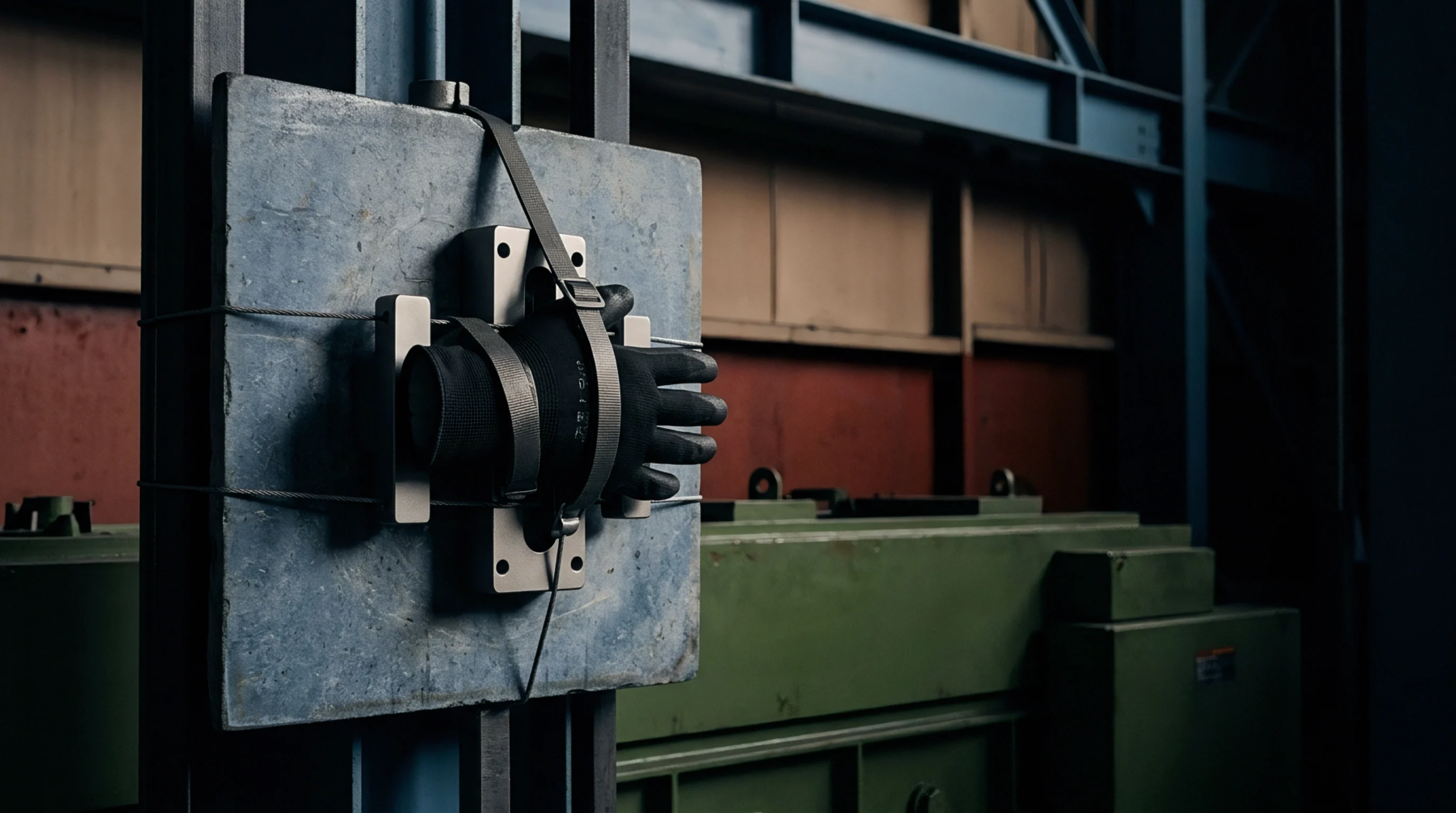
Standardized cold weather thermal protocols prevent subzero lithium plating by aligning chamber soak times, charge derating, and impedance verification.

Sub-zero battery charging induces severe kinetic overpotentials, forcing metallic lithium plating over intercalation and demanding strict thermal step-down controls.

Sub-zero fast charging shifts anode overpotential negative, forming non-reversible plated lithium that degrades cell capacity and demands strict BMS thermal thresholds.
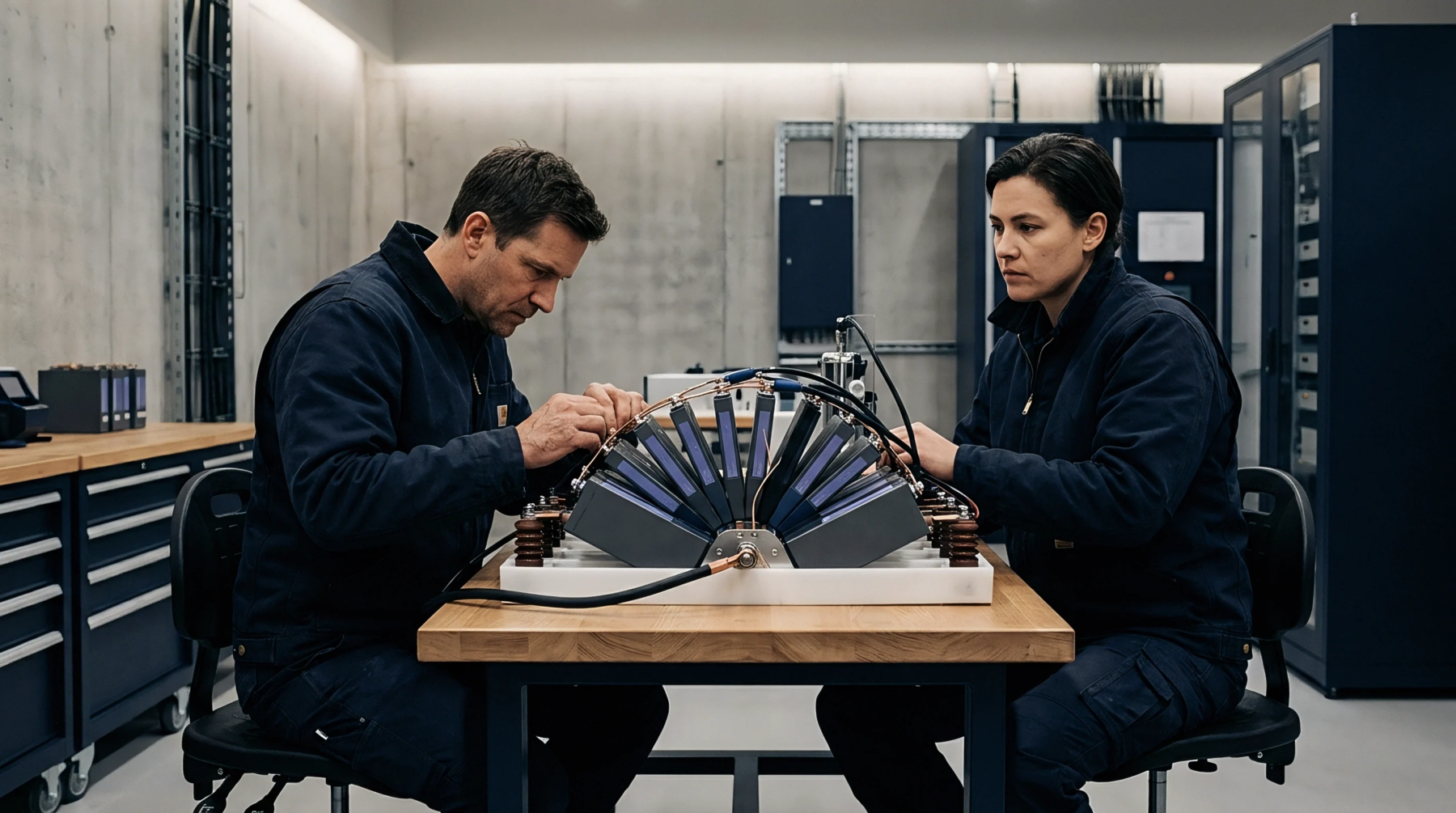
Cold climate warranty enforcement requires temperature-normalized 25°C thermal recovery soaking and cryptographic BMS logging to substantiate degradation claims.
Expertise is a utility, not a secret. sentiention™ publishes its working knowledge as open reference: intelligence layer covering the materials it sources, the markets it enters, and the reference that serves both.