Meaning
A formal quality inspection performed at the manufacturer’s facility before battery cells are loaded onto transport vehicles ensures that each batch complies with the buyer’s specifications and safety requirements. This pre-shipment audit involves a random sampling of cells to verify their physical dimensions, open-circuit voltage, and internal resistance. It acts as a final gatekeeper to prevent defective batches from entering the international supply chain.
Verification Activity
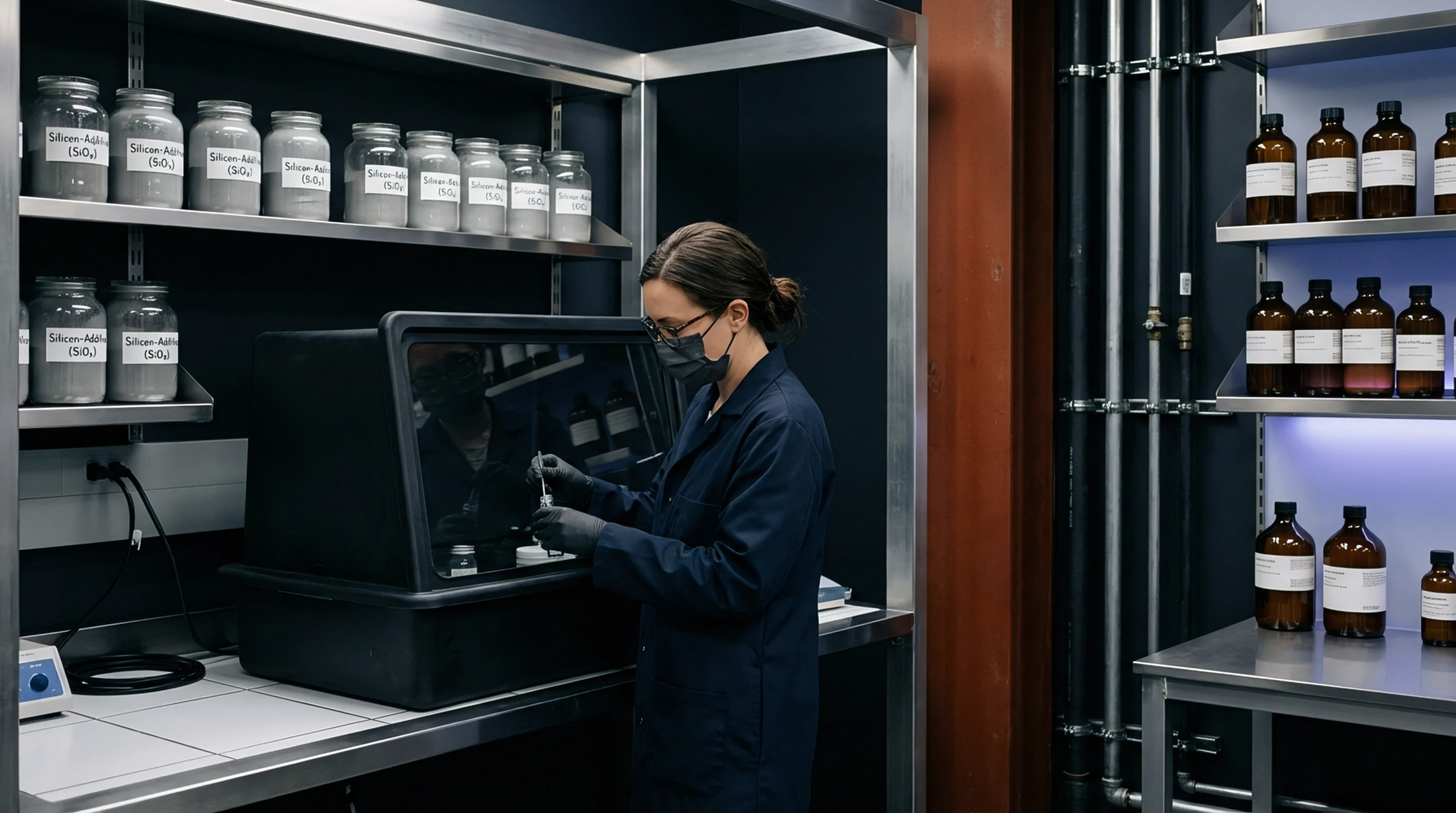
An independent auditor selects random samples from the completed production lot based on a statistically significant sampling plan. These cells undergo physical measurements, visual inspections for surface defects, and electrical performance tests. The auditor also reviews the production logs and cell-level firmware versions to ensure consistency across the batch.
Any deviation from the agreed technical specification results in the rejection of the entire lot before it leaves the factory floor.
Contractual Compliance
Sourcing agreements outline the specific pass-fail criteria for this quality check, including acceptable limits for electrical parameters and cosmetic flaws. The buyer often holds the final payment until a clean inspection report is issued by the auditing agency. This legal structure incentivizes the supplier to maintain high quality standards throughout the production run.
It also minimizes the risk of costly returns of dangerous goods across international borders.
Risk Prevention
Detecting battery defects at the source prevents the shipping of unstable cells that could experience thermal events during long maritime voyages. Replacing a failed batch before shipment is far cheaper than handling a recall at the destination. This risk management protects both the buyer’s capital and the transport fleet.