
Melt Superheat and Gas Pressure Calibration for Tool Steels
Melt superheat fixes metal viscosity while gas pressure sets atomization shear energy, directly controlling powder size, cooling rate, and carbide morphology.
Melt superheat fixes metal viscosity while gas pressure sets atomization shear energy, directly controlling powder size, cooling rate, and carbide morphology.

Maintaining nozzle pressure ratio within supersonic design boundaries guarantees negative tip aspiration, eliminating melt reflux and maximizing fine powder yield.

Stabilizing supersonic shock waves during gas atomization prevents tip freezing, narrows particle size distribution, and maximizes fine battery powder yields.

Specific gas consumption and nozzle tip pressure determine liquid breakup efficiency and final yield in tool steel atomization.

Transient modeling of shock boundary layer dynamics predicts nozzle aspiration stability and droplet breakup by coupling compressible flow with reaction kinetics.

Optimize argon delivery pressure to balance nozzle suction against kinetic energy transfer, maximizing fine powder yield while avoiding tip overpressure.
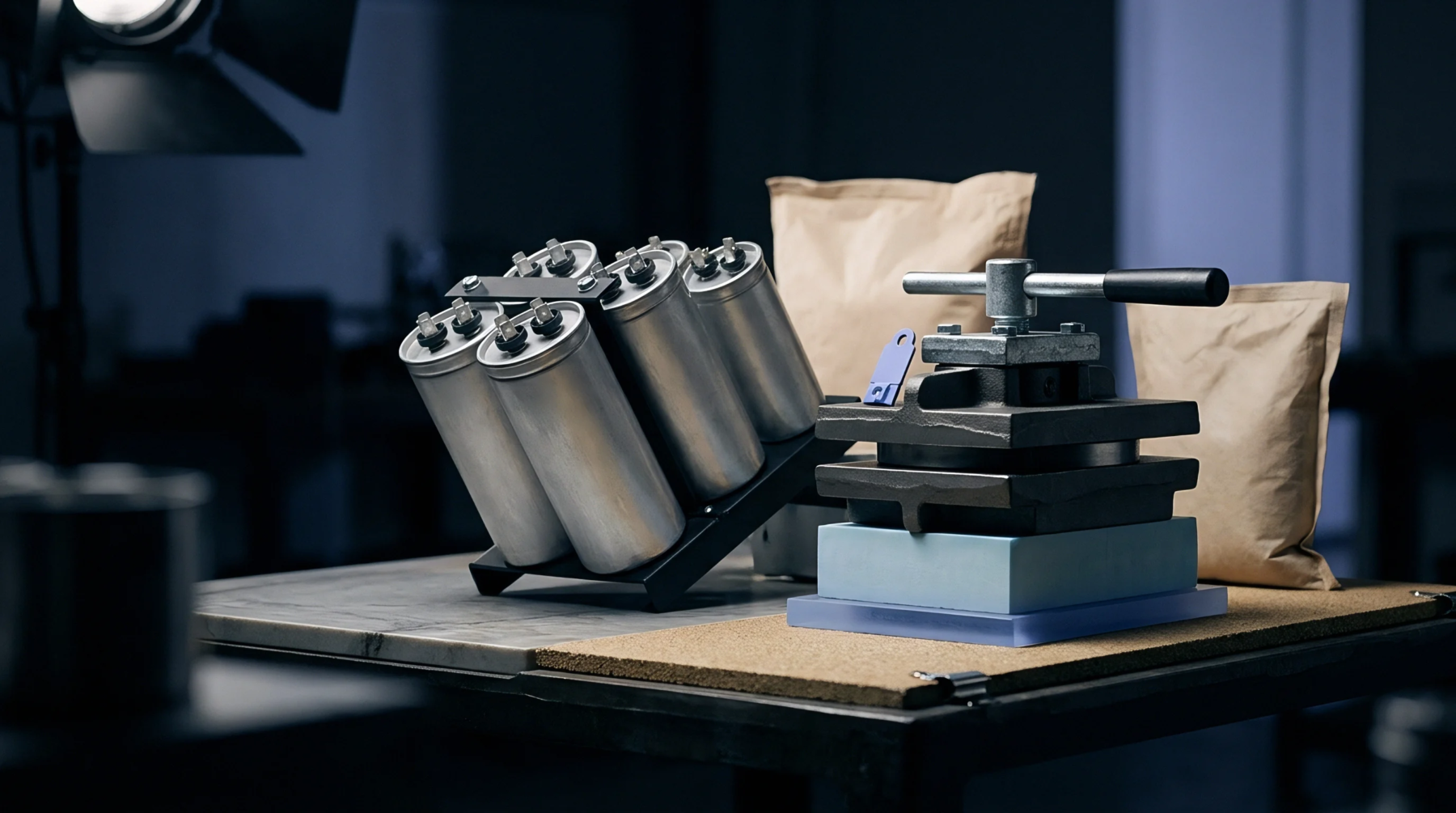
Optimize gas-to-metal ratios between 2.8 and 4.2 under controlled aspiration pressure to maximize tool steel powder yields and suppress internal gas entrapped porosity.
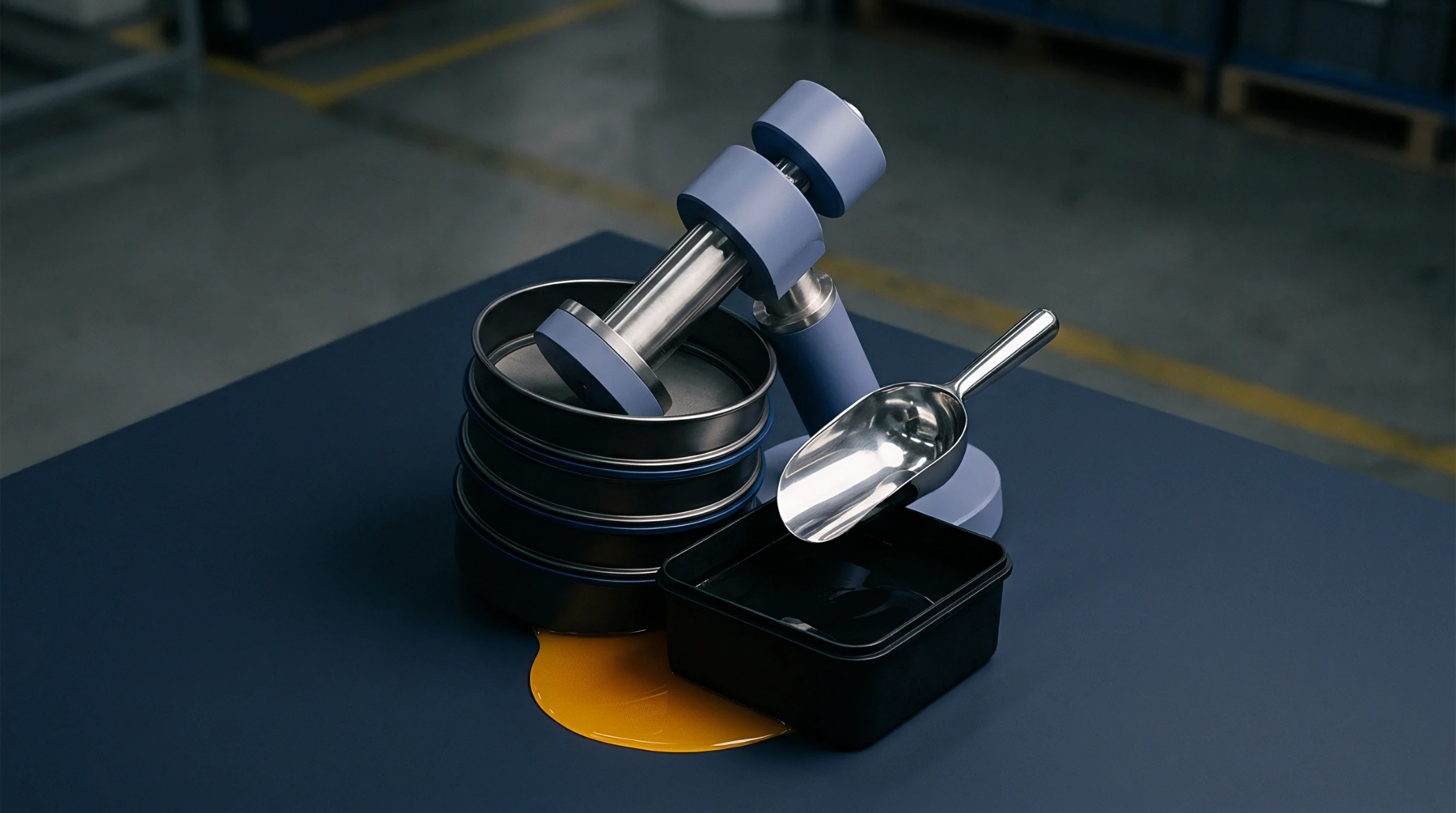
Inert gas atomization of tool steels requires precise superheat control, supersonic argon nozzles, and closed-loop gas recycling to yield dense spherical powders.
Expertise is a utility, not a secret. sentiention™ publishes its working knowledge as open reference: intelligence layer covering the materials it sources, the markets it enters, and the reference that serves both.