Meaning
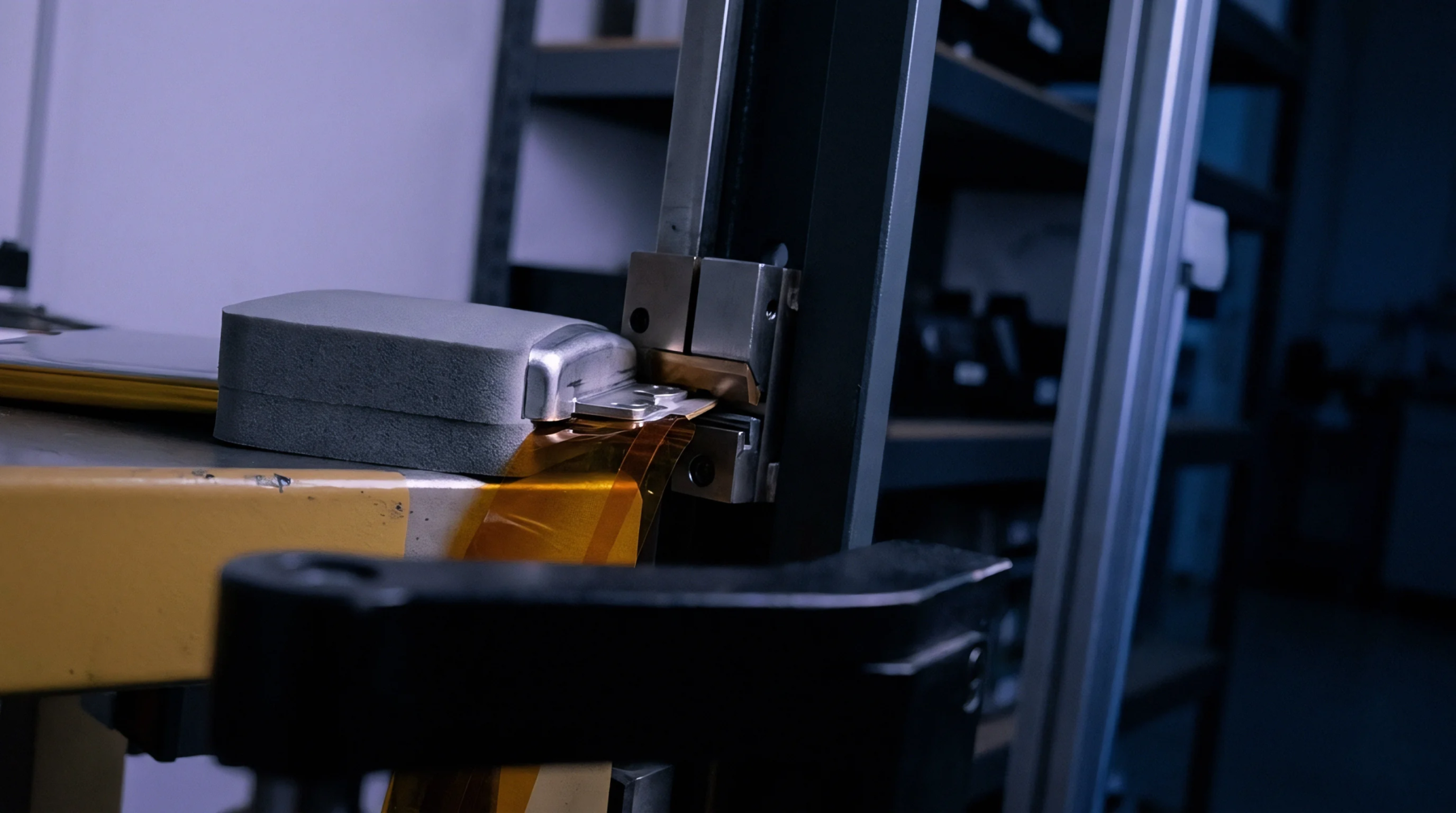
Formalised series of electrical, mechanical, thermal and safety evaluations performed before a production lot leaves the facility. This prismatic cell factory acceptance testing verifies that every unit meets the agreed specifications for capacity, weight, dimension and voltage. It acts as the final gate in the manufacturing process before the cells are shipped to pack integrators.
Contractual agreements between cell suppliers and automotive manufacturers often specify the exact sequence of these tests to ensure compliance with quality standards.
Step Sequence
Evaluation begins with an open circuit voltage check and an internal resistance measurement. Following the initial checks, the prismatic cell factory acceptance testing includes a high-potency test to ensure the insulation of the aluminium casing. These steps prevent defective units from entering the supply chain.
Failure Criterion
Deviation from the nominal capacity by more than a set percentage results in the rejection of the entire batch. During prismatic cell factory acceptance testing, any sign of electrolyte leakage or physical deformation is treated as a critical failure. Rigorous standards ensure that only high-performance cells are delivered to the customer.
Log Record
Documentation for each cell is archived to provide traceability in the event of a field failure. The data generated during prismatic cell factory acceptance testing includes individual serial numbers and specific test results. This record-keeping supports the long-term quality assurance goals of the battery industry.