Meaning
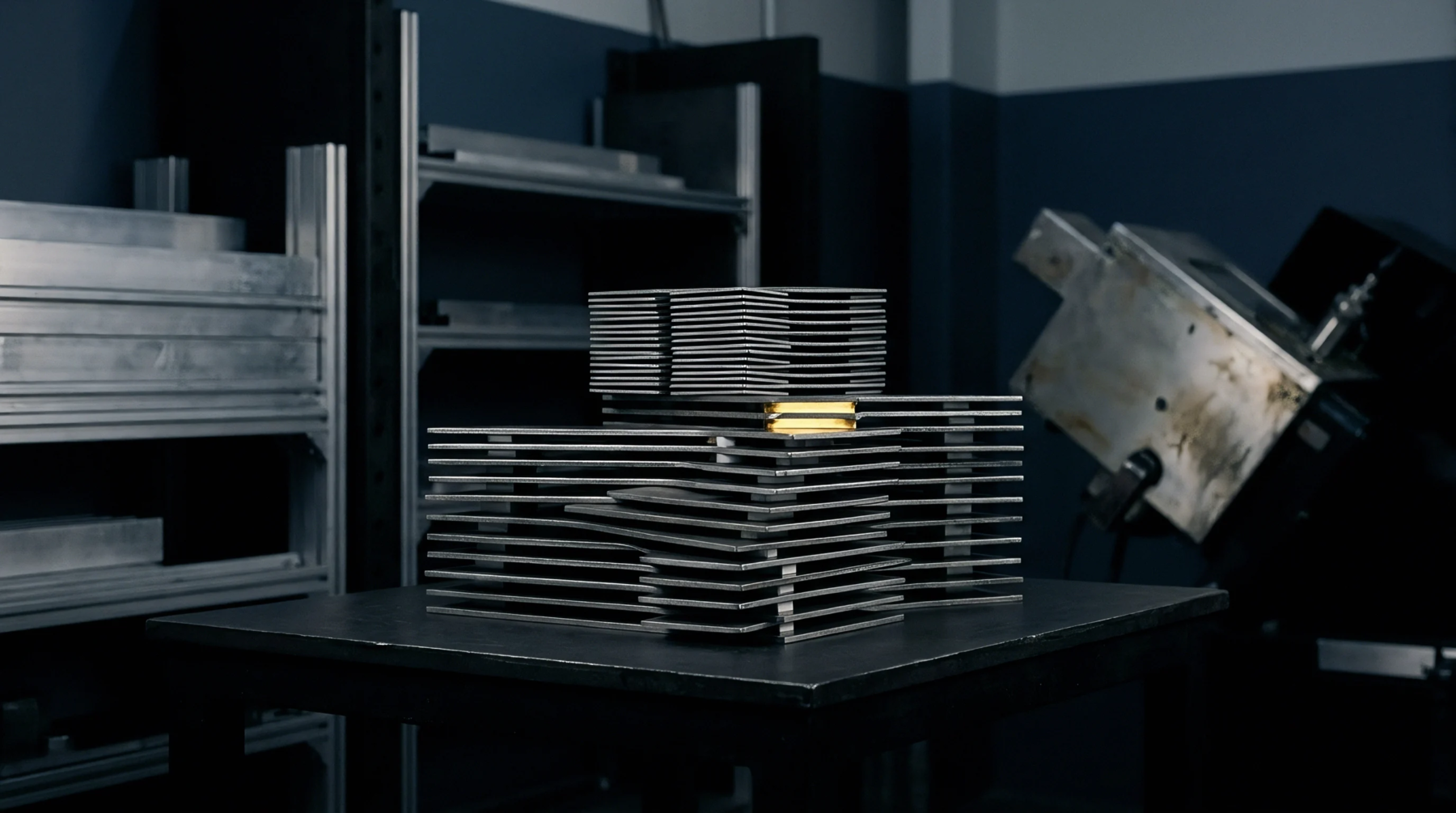
Physical dimensions where two surfaces actually touch at the microscopic level dictate the efficiency of current transfer in battery tab welding and busbar connections. The real contact area is usually only a small fraction of the nominal or apparent area of the joint. Current must funnel through these discrete points, creating heat and electrical resistance.
Plastic Deformation
High clamping forces cause the microscopic asperities on the metal surfaces to flatten and merge. This increases the real contact area by forcing the material to flow into the valleys of the surface texture. Once the yield strength of the metal is exceeded, the contact spots grow permanently.
This process is necessary to achieve the low resistance required for high power battery packs.
Electrical Resistance
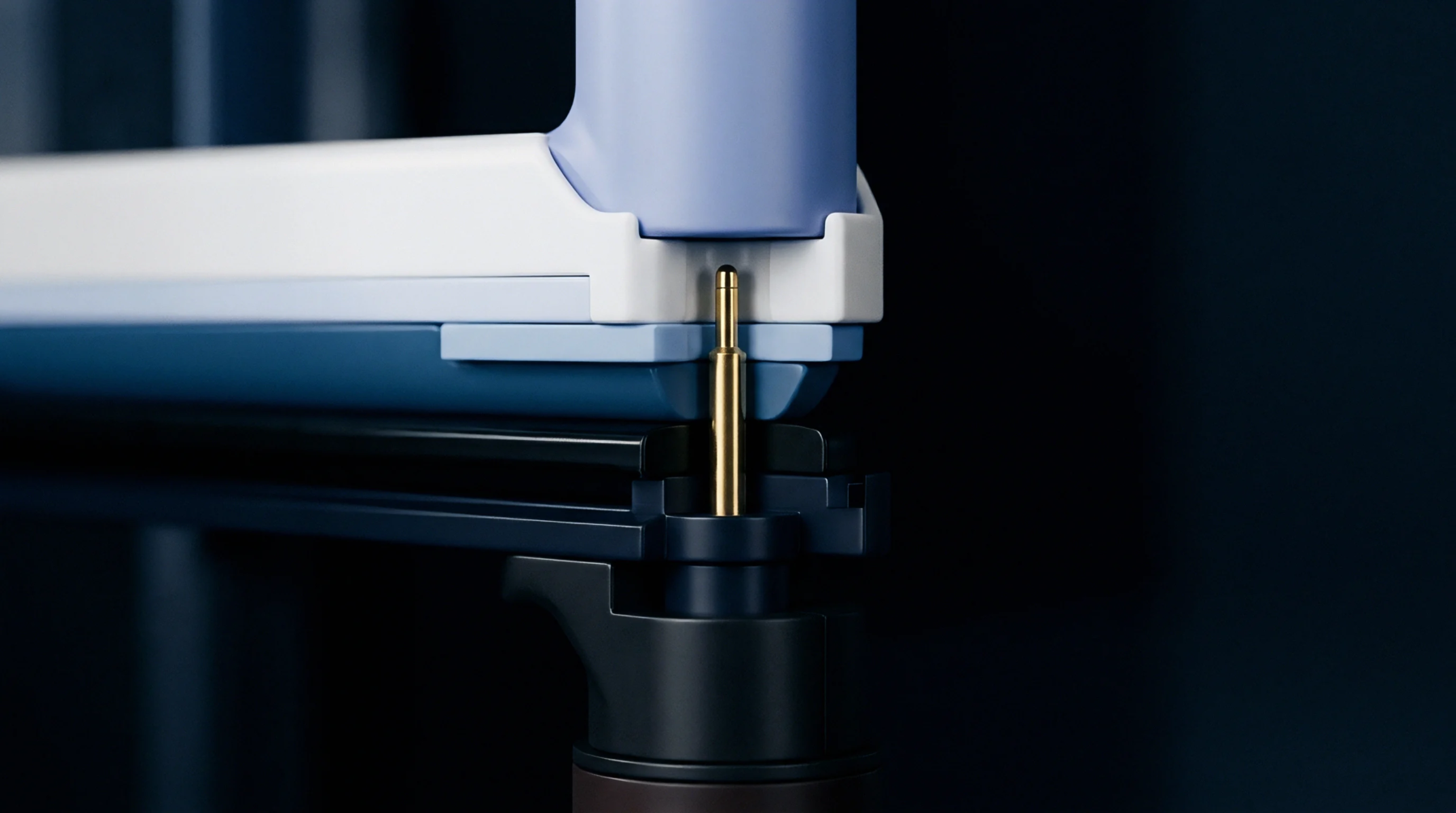
Ohmic losses at a junction are inversely proportional to the size and density of the contact spots. Because the real contact area is the only part of the interface that conducts electricity, maximizing it is essential for reducing heat generation. Thin coatings of soft metals like gold or tin can help fill the gaps between surfaces to expand the conductive region.
Load Sensitivity
Mechanical pressure across the interface determines how much the contact spots expand. In the study of real contact area, the relationship between force and conductance is often non linear at low pressures. Maintaining a constant load is required to prevent the connection from becoming more resistive over time.