Meaning
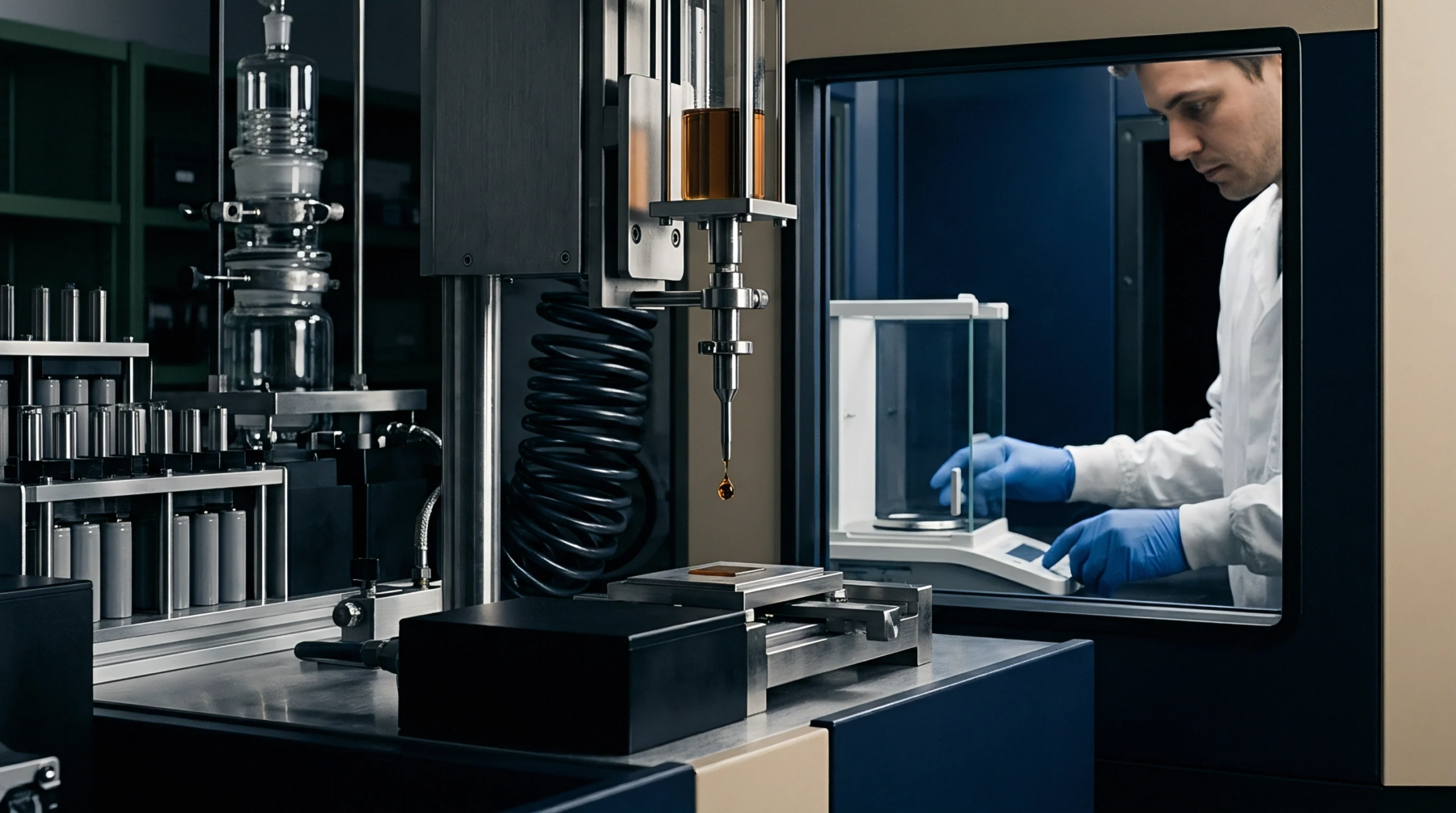
Precision actuation technology utilizes closed-loop feedback from electric motors to govern the displacement and force of assembly rams. This method of actuation, called servo press control, allows for real-time adjustment of the press stroke during delicate cell-lamination and case-sealing procedures. It replaces traditional hydraulic or pneumatic cylinders that lack fine positioning capability.
The system ceases to apply correction once the ram has reached its programmed dwelling position or the maximum force limit has been exceeded.
Motion Profile
Programmable velocity curves allow the ram to decelerate smoothly as it approaches the cell stack to avoid impact damage. In servo press control, operators can customize the speed at different points of the stroke, slowing down to a fraction of a millimeter per second during the actual compression phase. This slow approach permits air to escape from between the layers without wrinkling the separator.
The ram can then accelerate during the return stroke to minimize the overall cycle time.
Force Accuracy
Load cells and encoder feedback continuously transmit real-time physical data to the central controller. Under servo press control, the system can maintain a constant, pre-set force even if the material thickness varies slightly between batches. This capability is critical when pressing battery pouch cells into their modules, as excess force can fracture the ceramic coatings while insufficient force allows movement.
The motor adjusts its torque output continuously to maintain the desired pressure. This real-time adjustment prevents the cell stack from suffering mechanical deformation or internal short circuits that would render the entire battery pack unsafe for vehicle integration.
Assembly Line
Integration with factory monitoring networks enables digital tracking of every force and displacement curve for quality-assurance databases. Utilizing servo press control across the assembly line provides a complete record of the compression history for each manufactured module. This data helps identify potential defect trends before the products leave the factory.
Sourcing managers prefer these electric systems because they eliminate the risk of oil leaks associated with hydraulic presses.