The Main Lithium Battery Chemistries and What Each Is For
Cell chemistry selection dictates system safety, cycle longevity, thermal cooling architecture, dangerous goods logistics, and levelized storage cost per delivered cycle.
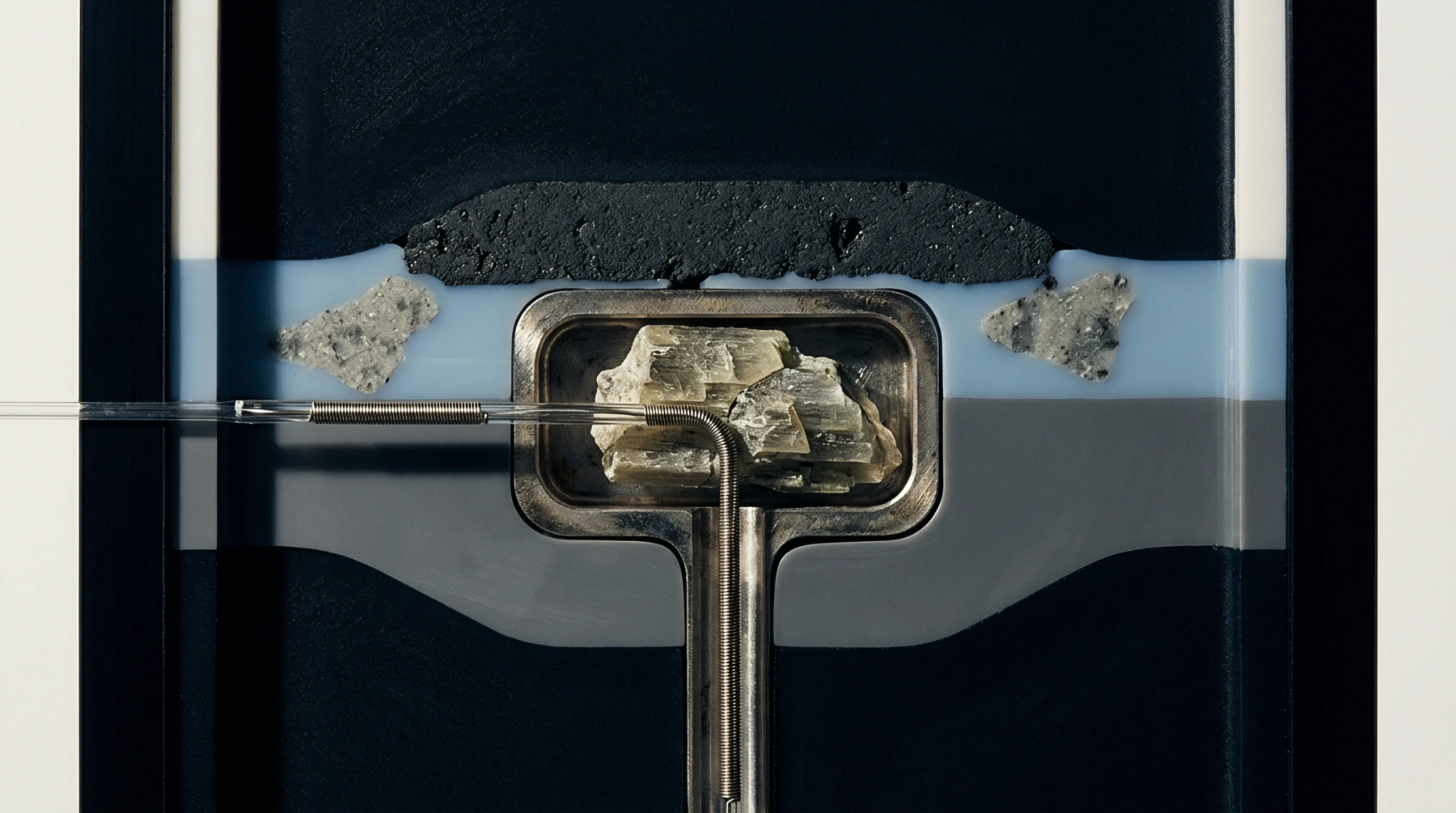
This industrial chemical is a high purity metal hydroxide or oxide with a specific grain structure used as the starting material for advanced cathode synthesis. Unlike traditional precursors that consist of many small crystals clumped together, the single crystal precursor is engineered to form large individual crystals during the final firing process. It is used to produce cathode materials that are more resistant to cracking and chemical degradation over thousands of charge cycles.
The application of this technology is found in the high nickel chemistries where structural stability is the main challenge. It stops being the primary focus in low cost batteries like lithium iron phosphate where the standard polycrystalline structure is already very durable.
The physical shape of this material is the key to its performance, as it lacks the numerous internal grain boundaries found in conventional battery powders. In a standard cathode particle, these boundaries are the places where mechanical stress concentrates, leading to the formation of cracks as the battery expands and contracts. A single crystal precursor allows for the creation of particles that are essentially one solid piece of crystal, which eliminates these internal weak points.
This lack of boundaries also reduces the total surface area that is exposed to the electrolyte, which slows down the rate of unwanted side reactions. The resulting powder has a higher density and a more uniform appearance under a microscope. This morphology is achieved through a carefully controlled co precipitation process followed by a high temperature calcination that encourages the growth of these large, stable grains.
Batteries made with this material exhibit much better capacity retention over time, especially when they are operated at high voltages or high temperatures. Because the particles do not fracture during use, the electrical contact between the grains remains intact, preventing the internal resistance of the cell from rising. The use of a single crystal precursor also significantly reduces the amount of gas produced inside the battery during its life.
Gas generation is usually caused by the electrolyte reacting with the fresh surfaces created by microcracks, so preventing those cracks keeps the cell more stable. This stability is a requirement for the next generation of electric vehicles that aim to offer a million mile service life. For the user, this means a battery that maintains its range and power for much longer than previous generations.
Moving from traditional powders to these specialized precursors requires significant changes to the manufacturing process, particularly in the heating stages. The calcination of a single crystal precursor typically requires higher temperatures and longer dwell times in the kiln to ensure that the individual crystals grow to the correct size. This increases the energy consumption of the factory and can lead to lower throughput if the equipment is not optimized for the new process.
Sourcing these materials is also more difficult because only a few companies have the expertise to produce them with the necessary level of purity and consistency. The higher cost of the material is justified by the performance gains in the final cell, but it remains a premium option in the market. As the industry matures, the production of these stable structures is becoming more common as manufacturers strive to differentiate their products through longevity and safety.
Cell chemistry selection dictates system safety, cycle longevity, thermal cooling architecture, dangerous goods logistics, and levelized storage cost per delivered cycle.
Expertise is a utility, not a secret. sentiention™ publishes its working knowledge as open reference: intelligence layer covering the materials it sources, the markets it enters, and the reference that serves both.