Meaning
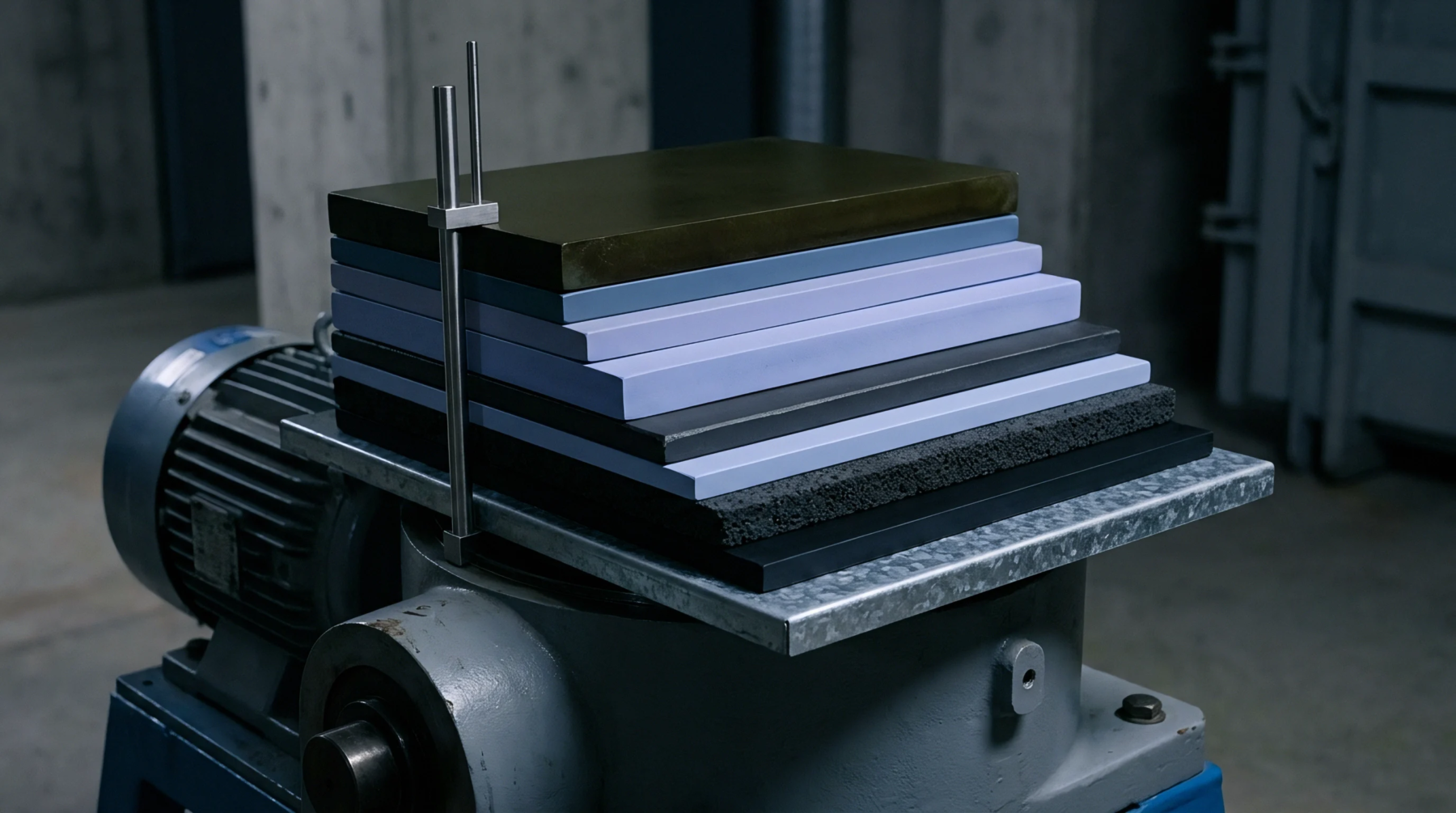
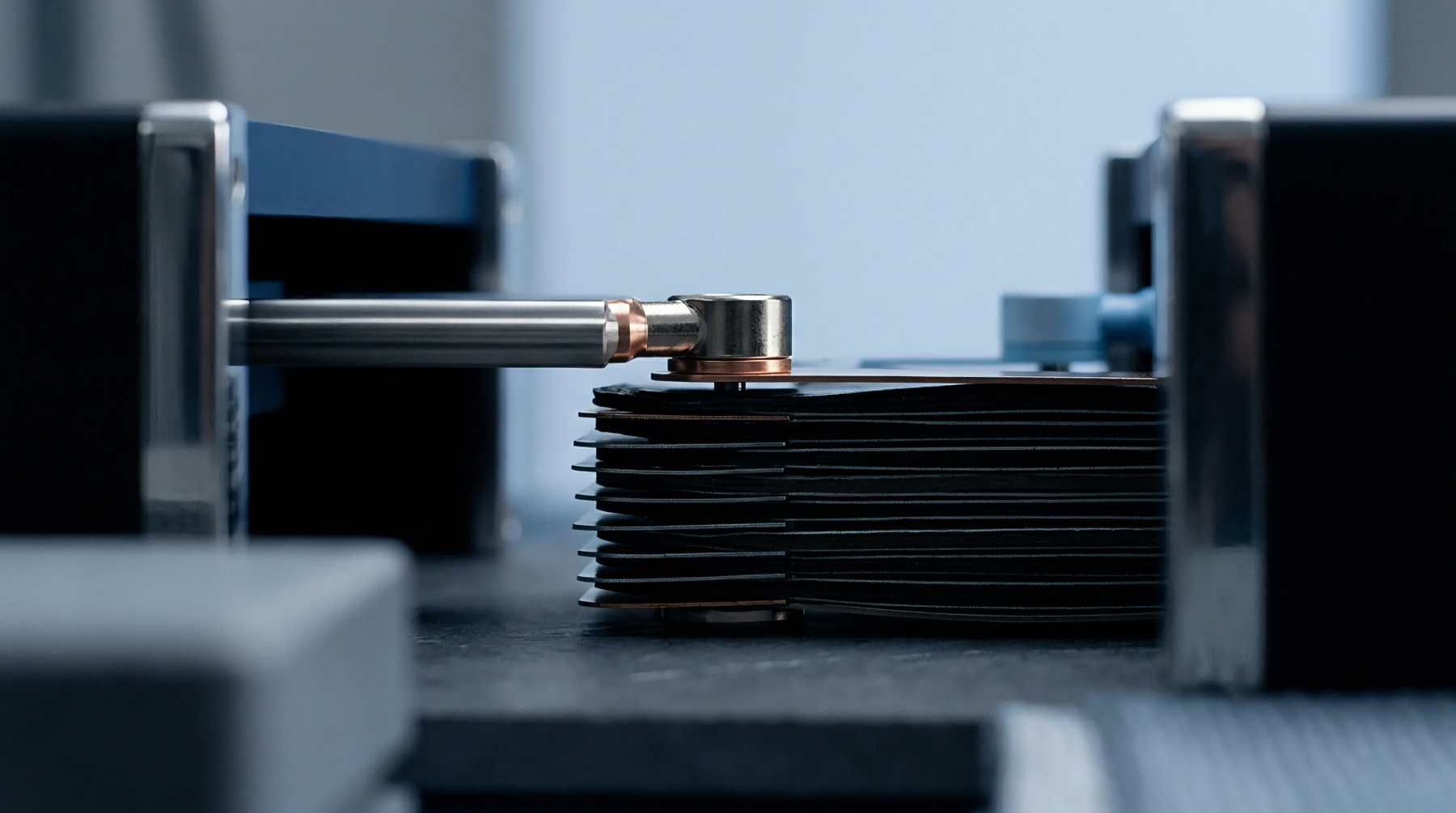
Multi-point mechanical stress patterns measure the uniformity of the compression force exerted across the face of a battery cell stack. Optimization of stack pressure distribution is necessary to prevent localized mechanical overload within the electrode layers. This balance ensures that the lithium ion flux remains uniform across the entire active surface.
Measurement Method
Tactile pressure-sensing sheets are inserted between the cell and the compression plate to record the force profiles. During testing of stack pressure distribution, the sensor array translates localized deflection into a two-dimensional color map. These digital maps show areas of high or low force with high spatial resolution.
Software tools analysis this output to calculate the average pressure and detect force spikes.
Electrochemical Effect
Non-uniform compression creates regions of varied electrode spacing and alters the local internal resistance. When stack pressure distribution is poorly balanced, regions under high compression can experience separator collapse, leading to internal short circuits. Conversely, regions under low pressure suffer from poor electrical contact between the active materials and the current collectors.
This variation causes localized differences in current density, which accelerates the growth of lithium dendrites during fast-charging events. Achieving a balanced profile is therefore essential for maximizing cycle life. Modules must be designed with compliant pads that absorb dimensional changes and maintain this balanced state.
Fixture Constraint
The rigidity of the endplates and the torque of the tie-rods determine the uniformity of the pressure profile. If the endplates are too thin, they will bow outwards and cause the stack pressure distribution to peak at the edges while falling in the center. This mechanical deflection alters the pressure profile even when compliant foam is used.
Sourcing specifications must define the minimum thickness of these steel plates.