Meaning
Analytical techniques used to predict the failure of materials under cyclic loading focus on the deformation occurring in the high stress regions. The strain life approach is particularly effective for components that experience plastic deformation near notches or joints. This method accounts for both the elastic and permanent changes in the material structure.
It is a standard tool for assessing the durability of battery tabs and internal connections subject to thermal expansion.
Mechanical Modeling
Equations like the Coffin Manson relationship link the strain amplitude to the number of cycles until a crack initiates. Implementing the strain life approach allows designers to identify potential failure points before physical testing begins. This is critical for parts where local stress exceeds the yield strength of the metal.
Ductile materials are the primary subjects for this analysis.
Short Cycle Reliability
Low cycle fatigue scenarios benefit most from this specific perspective. When a component only needs to survive a few thousand cycles at high load, the strain life approach provides more accuracy than traditional stress based methods. This applies to battery safety structures designed for crash protection or extreme thermal events.
The transition from elastic to plastic behavior is the key variable.
Test Protocol
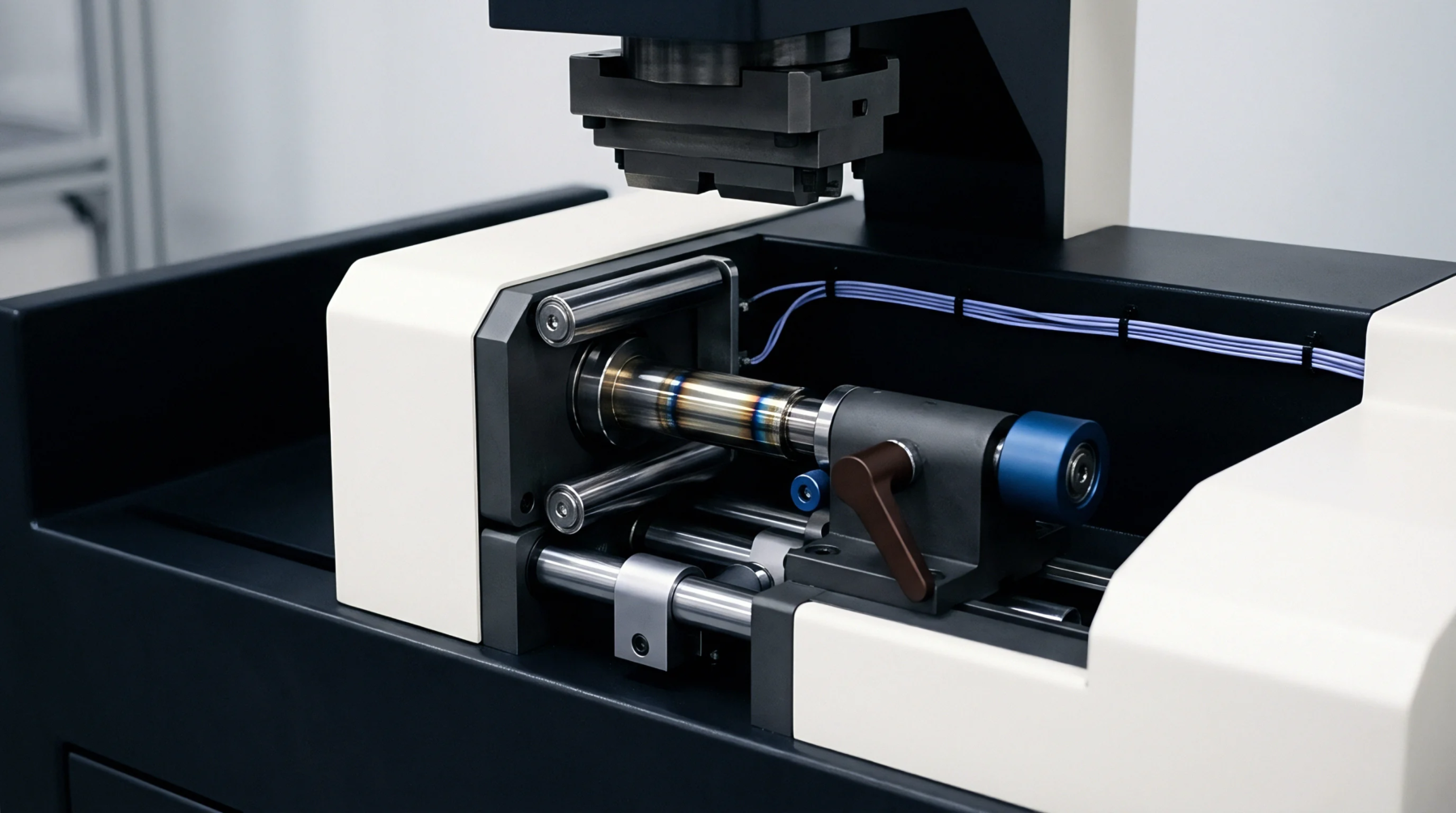
Specialized equipment measures the displacement of a specimen under controlled loading.