Meaning
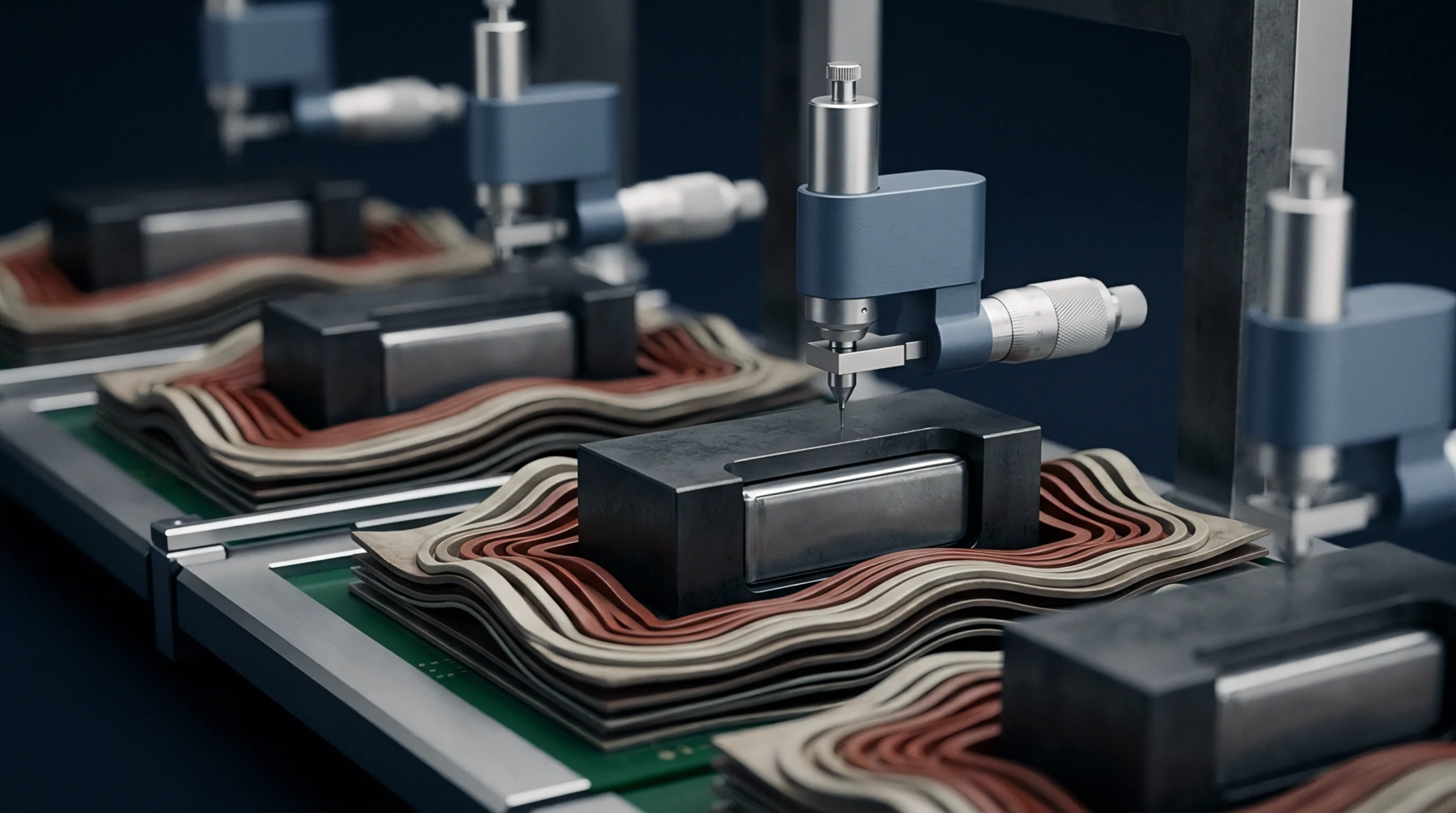
The localized evaluation methodology tracks ionic transport behavior under mechanical deformation within lithium-ion battery electrodes. Operating parameters depend on compressive and tensile forces applied during cell swelling and cycling protocols. Analysts apply stress field chemistry to quantify degradation mechanisms in pouch cells where volumetric expansion creates destructive internal pressure.
Boundary limits restrict application when electrodes experience plastic deformation beyond elastic recovery thresholds.
Degradation Kinetics
Mechanical constraints alter lithium ion diffusion pathways inside active material particles. Compressive forces accelerate particle cracking by exceeding fracture toughness limits of the transition metal oxide matrix. Microstructural fractures expose fresh surfaces to liquid electrolytes, accelerating parasitic reactions that consume active lithium inventory.
Electrolyte reduction rates increase because fresh graphite exposure promotes continuous solid electrolyte interphase formation. Commercial cell manufacturers rely on these measurements during stack pressure optimization to suppress capacity fade during high rate cycling.
Overpotential Mapping
Localized resistance variations arise when mechanical stress alters porosity distribution within the separator and electrode assemblies. Electrochemical impedance spectroscopy detects elevated charge transfer resistance in compressed regions where electrolyte dry-out occurs. Voltage polarization grows during discharge phases because ionic transport slows through constricted pores.
Cell assembly engineers track spatial variations in overpotential to eliminate thermal hot spots during fast charging protocols.
Thermal Feedback
Temperature gradients interact with mechanical constraints to accelerate structural degradation across large format prismatic cells. Local heating expands electrode components against rigid casing walls, amplifying mechanical stress inside the jelly roll. Elevated temperatures speed up parasitic reactions at the newly exposed graphite interfaces, generating gas that increases internal pressure further.
Cathode materials undergo phase transitions more rapidly under combined thermal and mechanical loads, shortening operating lifespans in automotive traction packs.