Meaning
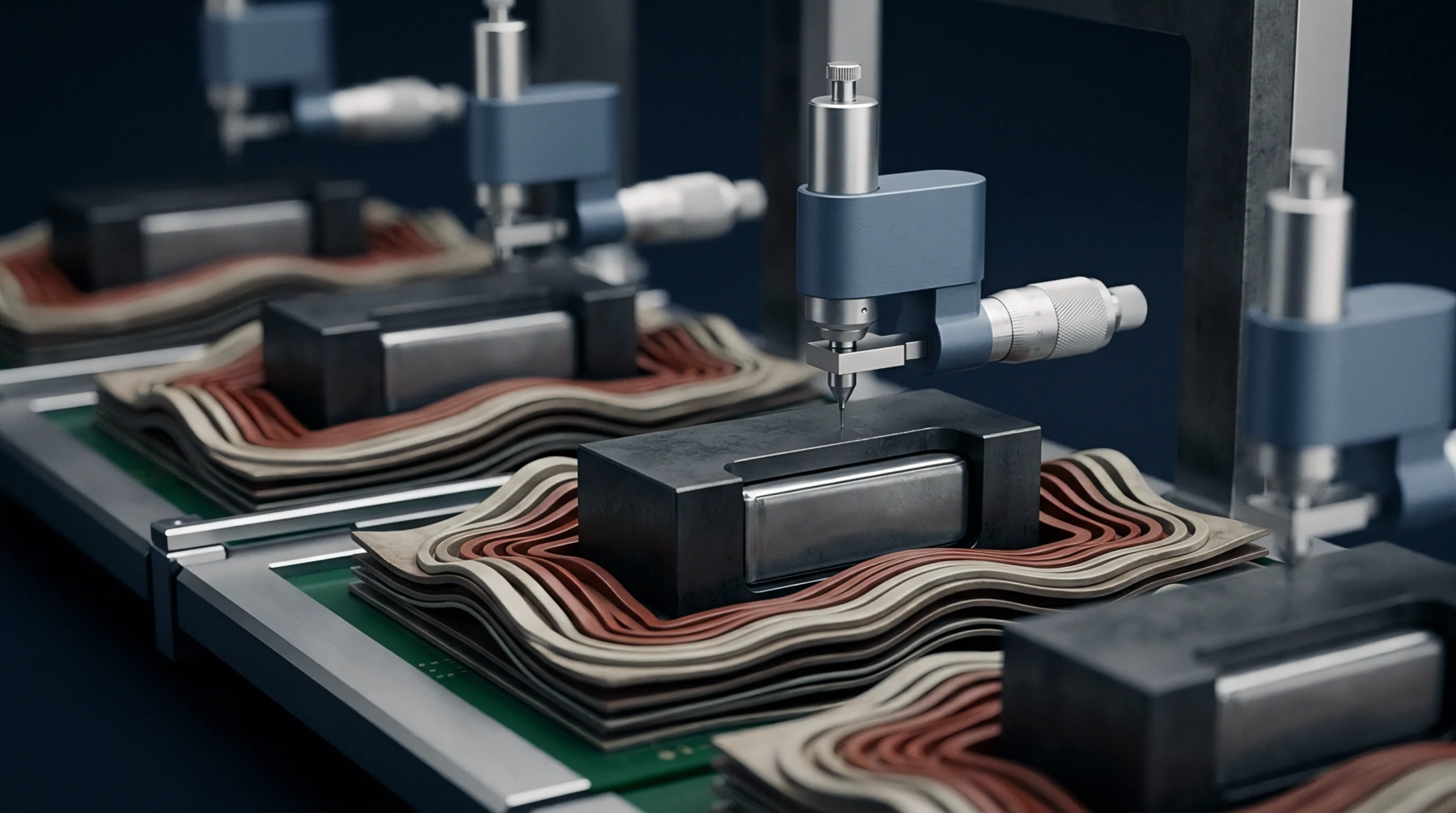
This physical degradation process involves the gradual deterioration of the internal structural arrangement of battery electrode materials over cycling. During the continuous insertion and extraction of lithium ions, the active material particles undergo repeated volume changes that generate stress. Microstructural degradation leads to mechanical fracturing, particle cracking and the loss of electrical contact between the active materials and the current collector.
The process occurs in both high-capacity anodes and high-nickel cathodes during prolonged charge and discharge cycles. It is limited to the active electrode layers and does not describe changes in the separator or casing.
Mechanical Fracture
The degradation begins when the expansion and contraction of the active particles generate localized stress concentrations at the grain boundaries. In high-nickel cathodes, anisotropic volume changes during high-voltage charging cause cracks to form within the secondary spherical particles. These cracks allow the liquid electrolyte to penetrate the interior of the particle, exposing fresh surfaces to side reactions.
This contact leads to the formation of resistive surface layers and the dissolution of transition metals into the electrolyte. Over time, these cracks electrically isolate portions of the electrode, reducing the active material available for electrochemical reactions.
Commercial Significance
Sourcing teams evaluate the rate of microstructural breakdown to estimate the long-term warranty and performance of energy storage systems. The mechanical stability of the electrode particles determines the capacity retention of the cells over thousands of cycles. Purchasing contracts often specify that the cells must maintain a minimum capacity after a set number of high-rate cycles.
Sourcing specialists select cells with single-crystal cathode materials or advanced binder systems that resist cracking to minimize degradation. This selection process reduces the lifetime operating costs and ensures the reliability of the battery system in the field.
Structural Boundaries
The severity of this degradation is highly dependent on the depth of discharge and the rate of cycling used. Operating the cells within a narrower voltage window reduces the volume changes of the active materials and delays particle cracking. The process is also influenced by the mechanical pressure applied to the cell stack, which can help maintain electrical contact.
It cannot be reversed by electrochemical means, meaning that once the particles have fractured, the capacity loss is permanent. These factors necessitate careful system-level design to control the mechanical and electrical conditions that accelerate degradation.