Meaning
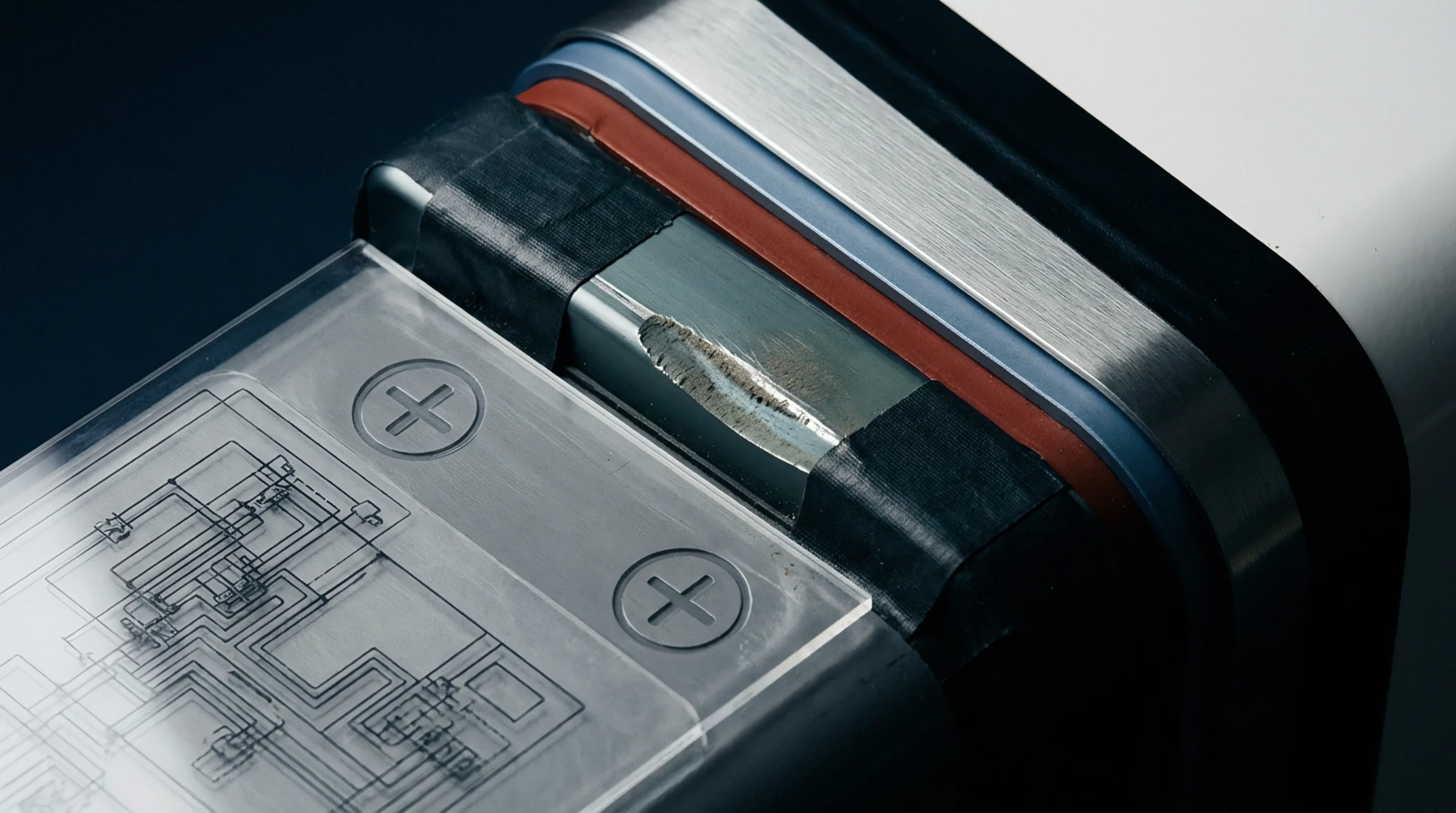
Progressive material deterioration occurs when microscopic defects widen under constant or fluctuating stress levels below the conventional threshold of unstable fracture. Sub critical crack growth represents the accumulation of damage in structural components that remain operational despite internal flaws. Engineering assessments distinguish this phenomenon from immediate failure because the rate of advancement depends on environmental factors and specific load conditions.
Fracture mechanics quantifies this development by relating energy release rates to the expansion velocity of internal features until a critical length forces catastrophic separation.
Mechanical Progression
Stress intensity factors dictate how fast internal separations advance within a solid body during operational cycles. Constant tension or repetitive loading pulls apart the crack tip and gradually breaks atomic bonds at the leading edge. Chemical environments accelerate this separation through oxidation or hydrogen embrittlement at the site of the defect.
High temperature conditions change the ductility of the bulk metal and alter how quickly cracks move through the crystalline lattice.
Diagnostic Parameters
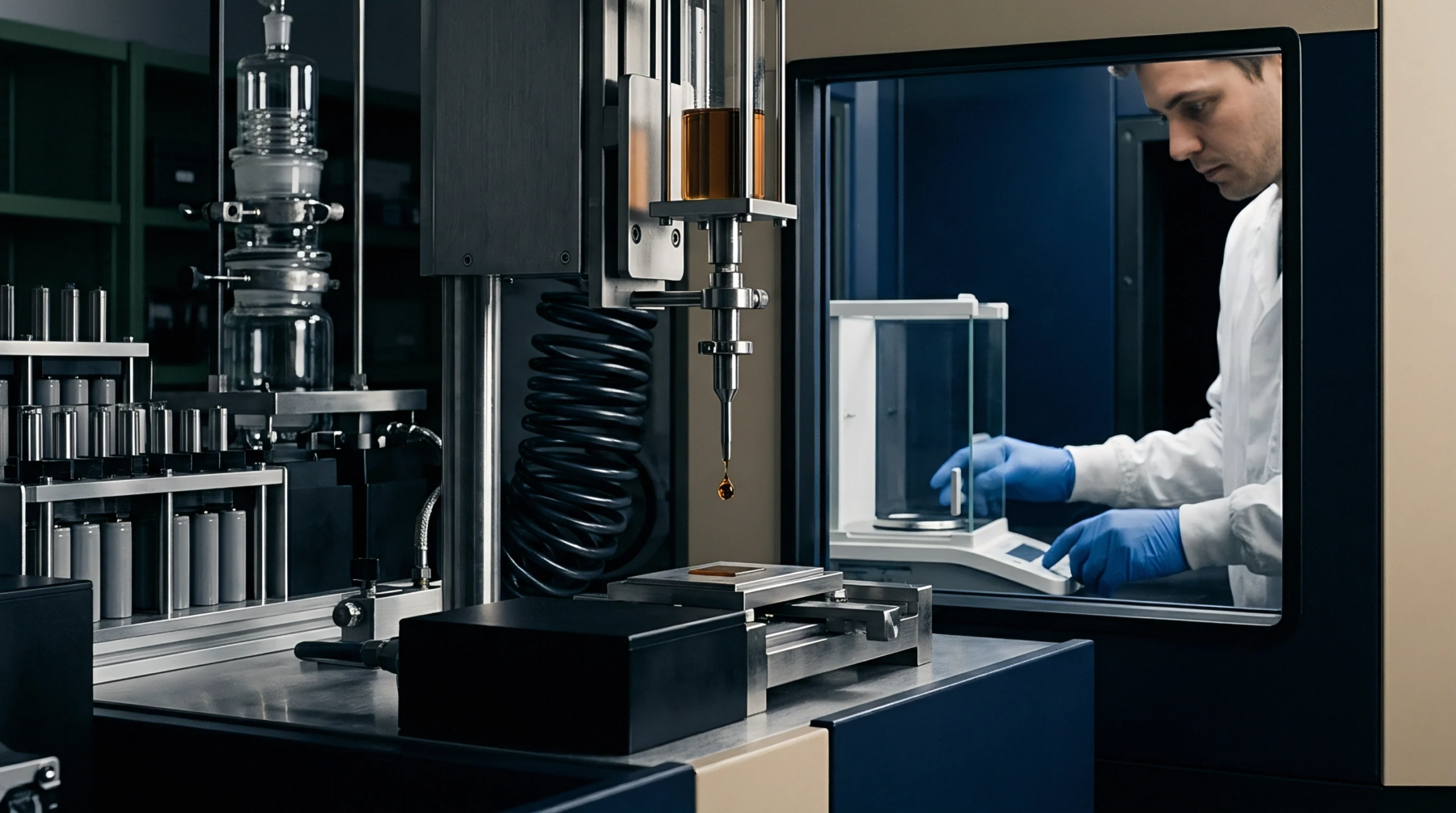
Data derived from laboratory bench testing informs the projected life span of metallic parts subjected to fatigue. Analysts measure the growth rate by tracking the distance covered per cycle against the applied stress range. These logs indicate when a component reaches the edge of its service life or requires immediate maintenance intervention.
Proper calibration of testing equipment accounts for material density and the orientation of internal defects to prevent premature failure.
Asset Consequence
Monitoring the expansion of internal separations prevents unplanned shutdowns in power generation and aerospace hardware. Effective inspection protocols identify growing flaws before those features reach the dimensions required for terminal collapse. Consistent detection provides the information needed to calculate exact replacement intervals for hardware under high mechanical duty.
Early identification of these features determines the economic viability of repairing a component versus replacing the entire unit.