Meaning
Electrochemical degradation mechanisms accelerate when energy storage cells operate or charge at temperatures below the freezing point of water. The occurrence of sub zero battery degradation leads to permanent loss of capacity and increased internal resistance due to structural damage at the microscale. This phenomenon stops being a primary design concern only when effective thermal management systems maintain cells within their optimal temperature zone.
Lithium Plating
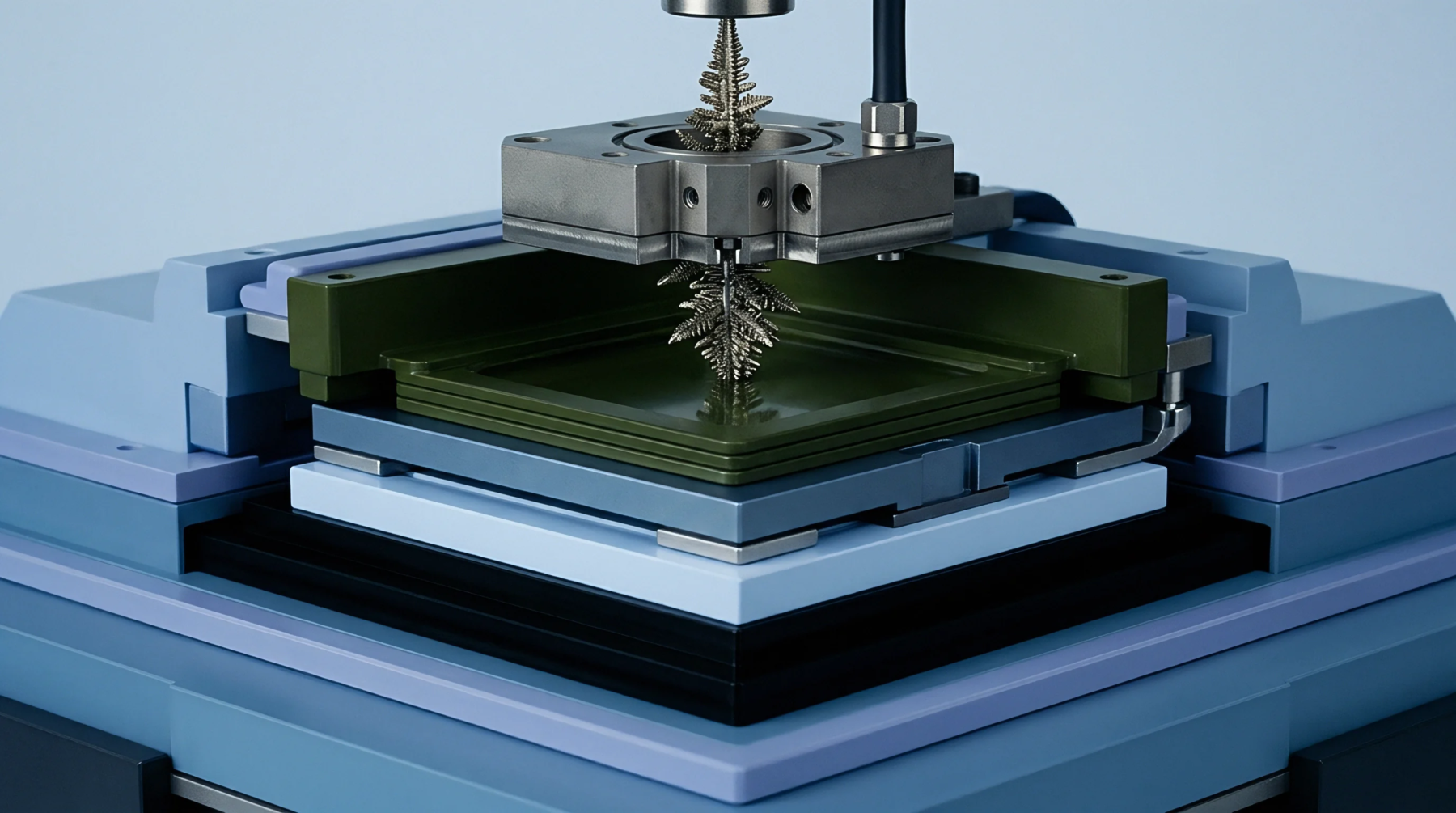
Slow ion diffusion in the anode forces lithium ions to deposit as metallic lithium on the electrode surface rather than inserting into the carbon layers. During sub zero battery degradation, this plated lithium reacts with the electrolyte to form additional solid electrolyte interphase. This reaction permanently consumes active lithium and can form sharp dendritic structures that risk piercing the separator, causing a catastrophic internal short circuit.
Mechanical Strain
Thermal contraction of cell materials creates mechanical stresses within the stack. Under conditions of sub zero battery degradation, these stresses cause microcracks in the active material. This damage impairs electrical contact.
Mitigation Strategy
Advanced thermal management systems and modified charging protocols are deployed to protect the pack from cold temperature damage. When managing sub zero battery degradation, software algorithms restrict charging currents until the internal cell temperature reaches a safe threshold. This control method extends battery lifespan.