Meaning
Solid-state inorganic electrolyte membranes conduct lithium ions while physically isolating positive and negative electrodes in advanced solid cells. Sulfide-based glass-ceramic materials exhibit high room-temperature ionic conductivities matching or exceeding liquid electrolytes. In all-solid-state battery architectures, a sulfide separator enables fast ion transport while providing mechanical resistance against lithium dendrite penetration.
Soft mechanical properties allow these inorganic layers to deform under pressure, forming low-resistance solid-solid interfaces with active electrode particles.
Ionic Transport
High lithium-ion conductivity in sulfide solid electrolytes stems from the high polarizability of large sulfur anions within the crystal framework. Open framework structures lower the activation energy barrier for lithium hop steps between neighboring interstitial sites. Room-temperature ionic conductivities reaching above ten millisiemens per centimeter allow thick separator layers without excessive internal resistance.
Solid-state cell designs leverage this high transport rate to achieve competitive C-rate performance during fast charging.
Chemical Stability
Sulfide materials react readily with atmospheric moisture to release toxic hydrogen sulfide gas, requiring strict inert processing environments.
Process Constraint
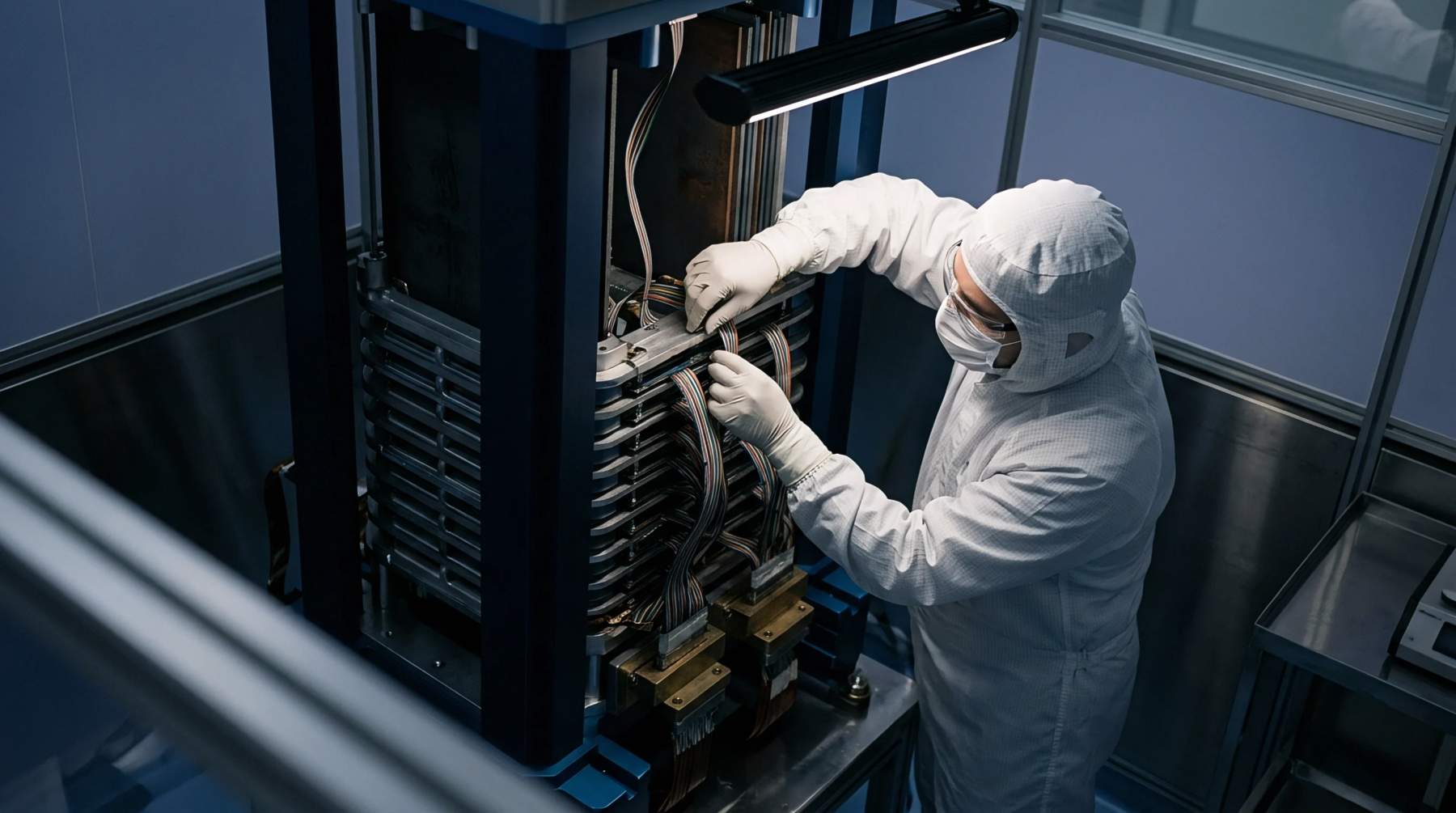
Producing uniform thin-film solid electrolyte layers requires specialized dry room facilities with dew points below minus forty degrees. Roll-to-roll slurry casting techniques synthesize thin separator membranes reinforced with polymer binders to improve mechanical flexibility during handling. Cell assembly protocols mandate continuous mechanical stack pressure to maintain interfacial contact during charge and discharge volume changes.
Quality control procedures verify membrane thickness, ionic conductivity, and dielectric breakdown strength prior to cell stacking.