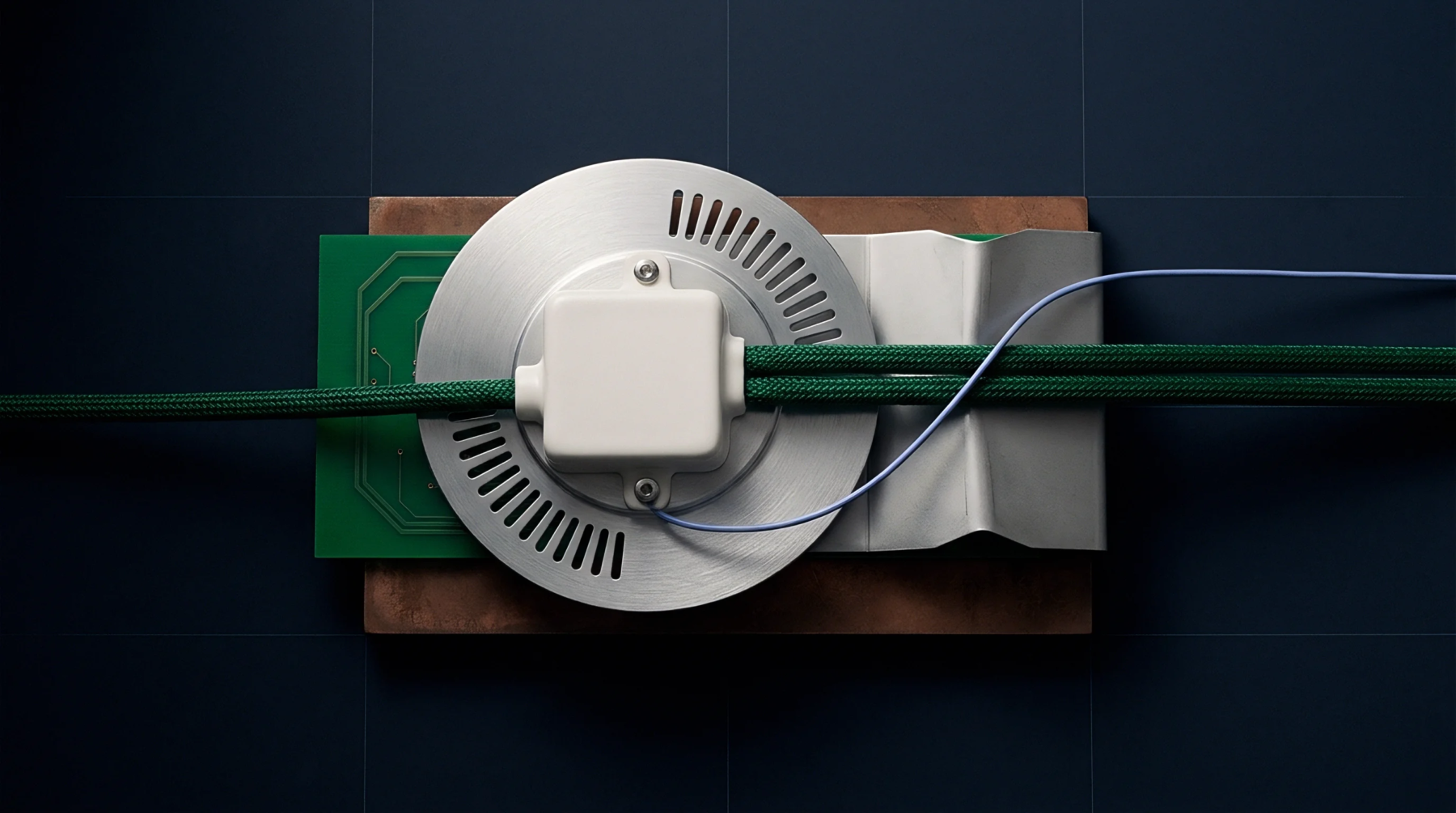
Meaning
Minute electrical connections are formed within a battery cell when metal debris from the cutting process penetrates the separator film. The tab burr micro short creates a localized pathway for current that causes self-discharge and localized heating. This defect is a focus of cell manufacturing quality control, as it can lead to cell degradation or thermal runaway over time.
It represents a boundary between an acceptable cutting quality and a hazardous structural failure.
Physical Mechanism
Wear on the mechanical slitting knives creates raised metal edges on the electrode tabs during foil cutting. When these metal protrusions deform under the pressure of cell assembly, they can pierce the thin polymer separator. This direct contact between the cathode and anode foils allows a small leakage current to flow continuously.
It drains the cell capacity over time.
Diagnostic Observation
Specialized testing during cell production detects these leakage pathways before the cells are shipped. Measurements of open-circuit voltage drop over a multi-week aging period reveal anomalous self-discharge rates. This screening filters out defective units.
Manufacturing Prevention
Regular maintenance of slitting tools and the use of non-contact laser cutting systems reduce the occurrence of foil deformities. Implementing automated optical inspection allows the system to identify abnormal edges before cell stacking or winding takes place. This control strategy is essential to prevent a tab burr micro short from reaching the final stage of pack integration, which protects the end product from sudden field failures and ensures a long operational life.