Meaning
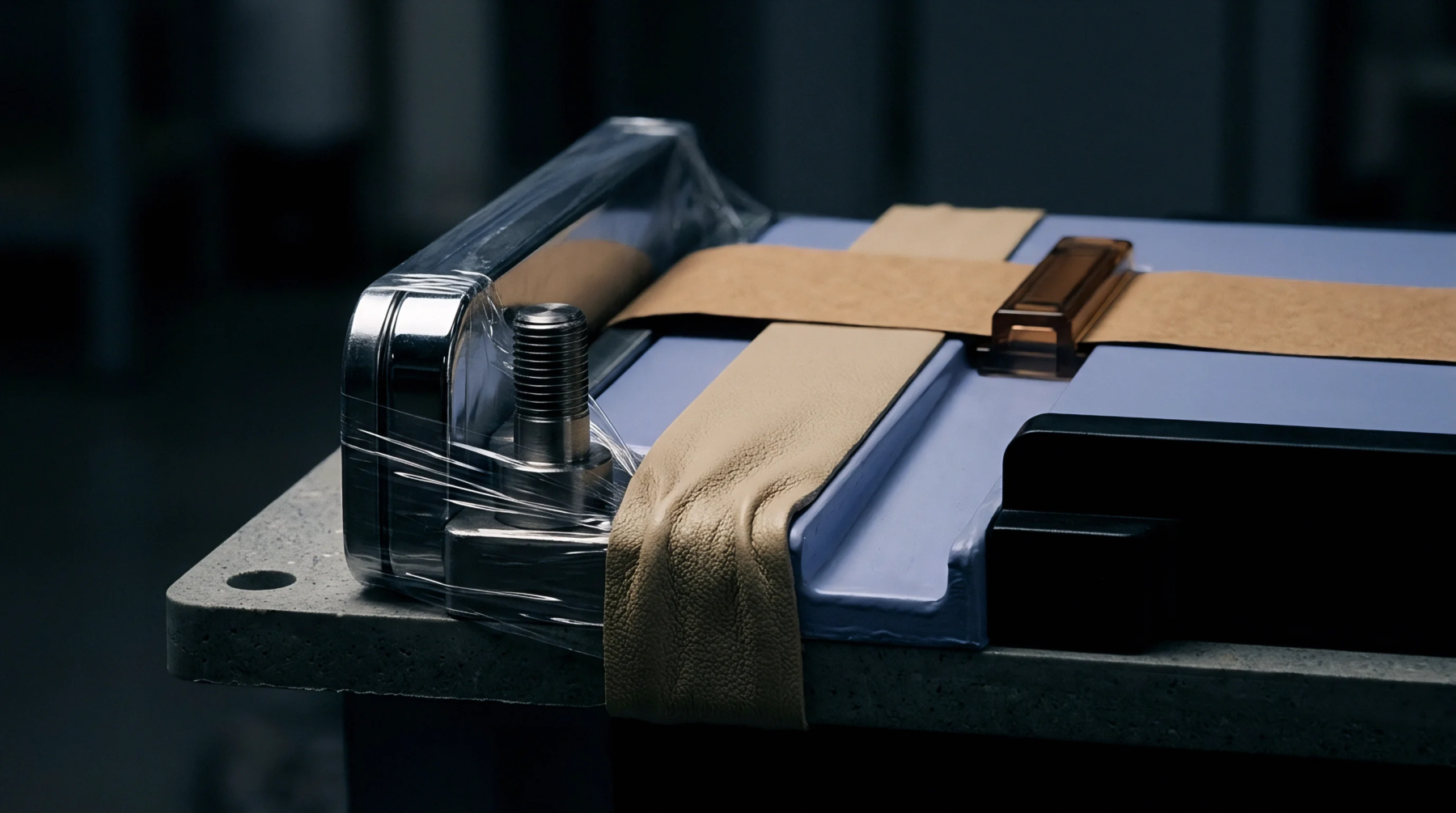
Manufacturing flaws located precisely at the polymer-to-metal interface where pouch cell current collectors exit the enclosure represent physical pathways for electrolyte leakage and moisture ingress. Tab seal crevice defects compromise hermetic isolation by leaving microscopic gaps along the thermally activated sealant film during pack assembly. Automated optical inspection systems and helium leak testing detect these microchannels on production lines before cells enter module integration stages.
Production engineers evaluate interface integrity to prevent internal short circuits caused by atmospheric humidity reacting with lithium hexafluorophosphate electrolytes. Pouch cell manufacturers reject compromised units immediately because compromised crevice zones accelerate capacity fade during cycling operations.
Electrolyte Migration
Liquid solutions of organic carbonates migrate outward through microscopic channel networks driven by capillary forces and internal gas pressure gradients. Tab seal crevice defects provide continuous wicking routes for moisture vapor to travel inward toward active electrode materials. Hydrofluoric acid forms rapidly when incoming water molecules react with conducting salts inside the pouch interior.
Lithium metal surfaces corrode chemically when aggressive acid species accumulate near current collector foil edges. Protective aluminum oxide layers dissolve progressively under localized acidic attack inside defective sealing channels.
Thermal Stress
Temperature fluctuations during high discharge rates induce differential thermal expansion between nickel tabs and polypropylene sealants. Tab seal crevice defects expand cyclically under mechanical strain because dissimilar materials deform at varying rates during operation. Expansion forces widen existing microchannels and accelerate electrolyte weeping past the primary sealing perimeter.
Cell internal resistance increases permanently once current collector tabs lose intimate contact with surrounding polymer films. Thermal runaway propagation risks multiply when compromised sealing zones allow localized hot spots to vent hot gases toward neighboring pouch cells.
Warranty Liability
Procurement contracts penalize cell suppliers heavily when field returns reveal premature capacity loss driven by moisture contamination. Tab seal crevice defects trigger costly module recalls after field deployments expose packs to humid operating environments. Commercial buyers require statistical process control data demonstrating zero tolerance for interface voids during factory audits.
Legal disputes over liability hinge on cross-sectional microscopy proving whether sealing failures originated during cell manufacturing or pack integration. Supply chain managers enforce rigorous incoming inspection protocols to mitigate financial exposure associated with unsealed crevice zones.