Meaning
This specific safety test is part of the UN 38.3 manual and is designed to evaluate the integrity of lithium batteries when exposed to rapid and extreme temperature changes. It simulates the conditions that might be encountered during air transport, such as moving from a hot tarmac into a freezing high altitude cargo hold. The thermal shock t.2 procedure involves taking a battery through ten cycles of intense heating and cooling without allowing it to rest at room temperature in between.
A passing result requires that the battery show no signs of leakage, venting, disassembly or fire. This test stops being applicable once a battery has been modified or damaged, as it only certifies the original design and manufacturing quality.
Exposure Profile
The evaluation requires specialized environmental chambers that can switch between extreme temperatures in less than thirty minutes. In each cycle, the battery is first held at a temperature of 72 degrees Celsius for at least six hours to ensure the internal components are fully heated. It is then rapidly moved to a temperature of minus 40 degrees Celsius and held there for another six hours.
This thermal shock t.2 process is repeated ten times, putting immense stress on the seals, casing and electrical connections of the battery. The speed of the transition is critical because it forces the different materials in the battery to expand and contract at different rates. This can expose weaknesses in the mechanical design that would not be seen during a slow temperature change.
Mechanical Integrity
During the cooling phase, materials like plastic and rubber can become brittle, while the metal casing and internal tabs may experience significant contraction. If the seals are not designed correctly, the thermal shock t.2 test will cause them to fail, leading to the leakage of the liquid electrolyte. Any loss of mass during the test is measured precisely, and a battery that loses more than a tiny fraction of its weight will be considered a failure.
The test also checks for internal short circuits that could be caused by the movement of the internal components as they shrink and grow. After the cycles are complete, the battery is stored at room temperature for several days and then checked for its open circuit voltage. A significant drop in voltage indicates that the internal structure has been compromised even if there are no visible signs of damage.
Shipping Security
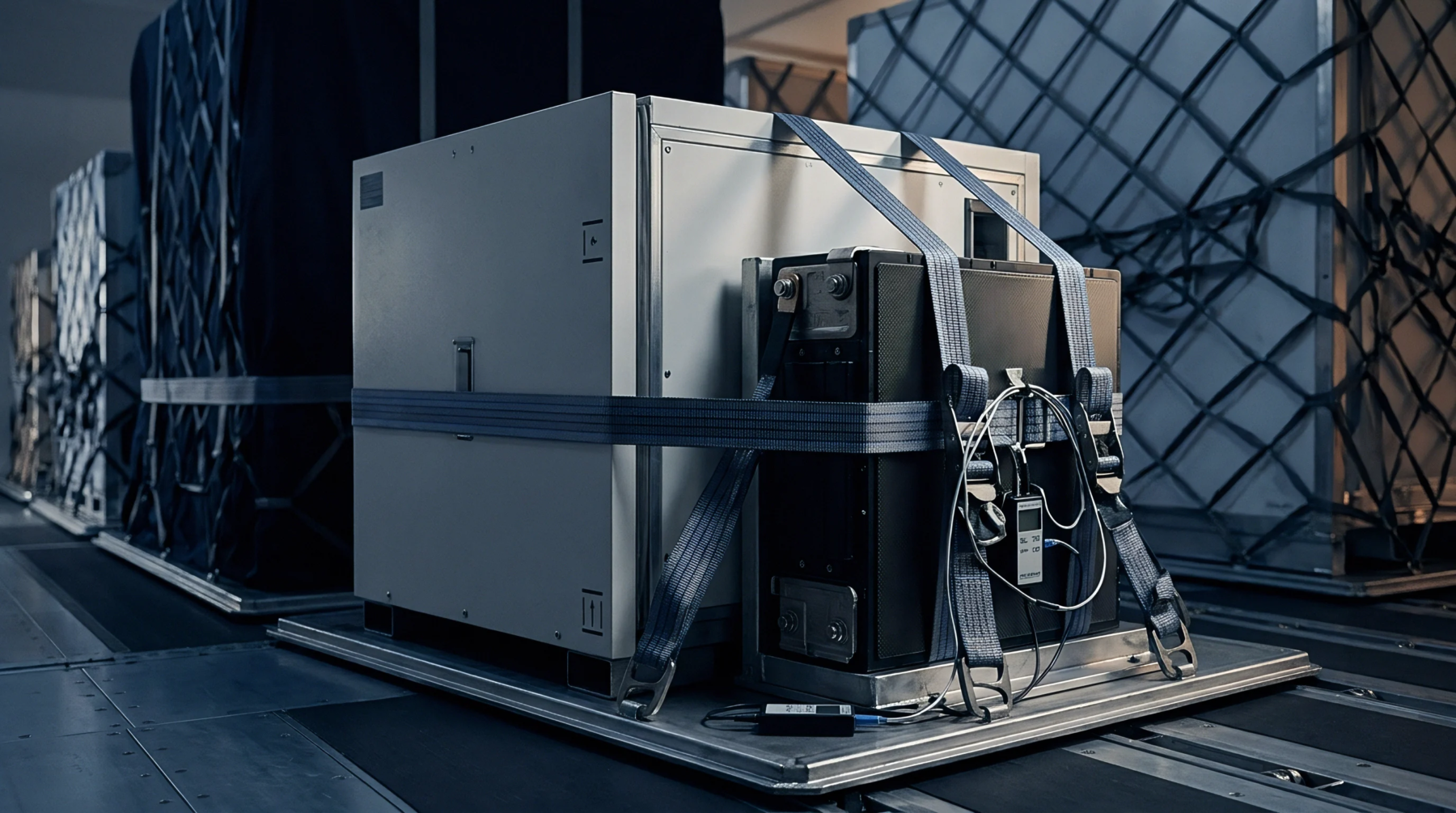
Passing this test is a mandatory requirement for any lithium battery that is to be transported by any commercial carrier worldwide. It provides a baseline of safety that ensures the batteries can survive the harsh environment of global logistics without becoming a fire hazard. For a sourcing manager, the thermal shock t.2 report is a primary document that must be verified before a supplier can be approved for international trade.
The data from this test is summarized in the UN 38.3 test summary which follows the product through the entire supply chain. This regulatory oversight helps to prevent the shipment of poorly made batteries that could fail during a flight or a long sea voyage. By proving that the design can handle these extreme conditions, manufacturers demonstrate their commitment to the safety of the transport workers and the general public.