What a UN 38.3 Test Summary Actually Covers
A valid UN 38.3 test summary documents standardized baseline transport safety survival under ten mandatory fields, without guaranteeing cell life or batch quality.
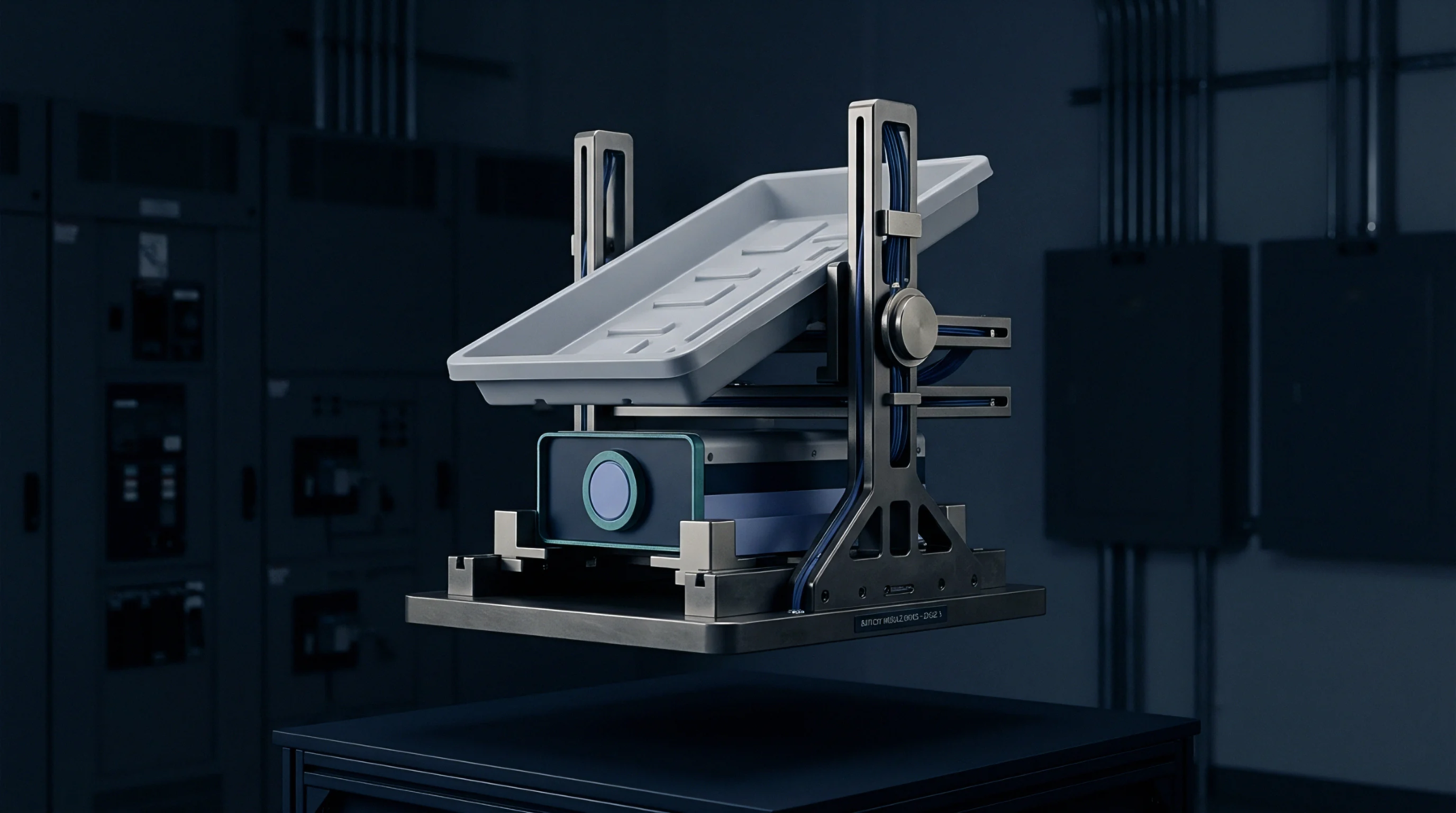
Environmental stress procedure evaluates the stability of energy storage devices during rapid shifts between extreme cold and severe heat conditions found in variable climate transit. During the thermal shock test t2, sample units move between negative forty degrees celsius and seventy-two degrees celsius for at least ten complete cycles to induce expansion and contraction. Successfully passing items show no evidence of mass loss, leakage, disassembly, or fire for up to seven days after the sequence concludes.
This test identifies whether seals, separators, and housing bonds will fail when a device moves from a high altitude cold airplane hold to a hot desert airport terminal. Ensuring mechanical resilience under thermal pressure is mandatory for any item traveling in standard modern logistics pipelines across different global weather zones.
Laboratory equipment maintains high precision during the temperature transitions to ensure the items experience maximum physical shock at the material level inside the unit. In the thermal shock test t2, each unit rests at the extremes for at least six hours to ensure the entire chemical mass reaches the target temperature before flipping to the opposite. Performance depends on the coefficient of expansion for casing metals and plastics being closely matched to prevent gaps from forming at the terminal entries.
If the items hiss or show visible chemical weeping, it indicates the integrity of the containment is insufficient for the broad variety of standard weather shifts. Technicians look for mass loss exceeding zero point one percent as a primary indicator that the cell gas vented through a microscopic fracture in the wall. Every item listed as transport safe has cleared this hurdle as part of the overall un compliance file held by the production facility or shipping agency.
Verification happens far in advance of actual container loading to confirm that thousands of units inside a crate will remain stable when temperatures spike inside a metal box. Success in the thermal shock test t2 allows vendors to market their technology for use in regions where outdoors shifts are common during normal retail or industrial operations. It stops incidents where hidden micro cracks grow over weeks of transport, only to cause a short circuit once the items are stored at a final warehouse site.
Sourcing professionals look for this data to guarantee they are not buying batches prone to seasonal shipping failures where spring goods arrive in unusable condition. Documentation should list the specific number of cycles and the exact dwell times used during the laboratory sequence to ensure repeatability of the research result. Better chemical grades maintain their bond integrity through these stress sessions, distinguishing premium parts from lower end products destined for more stable indoor environments.
Limits apply when materials encounter temperatures far outside the standard transport range where actual combustion or freezing of internal electrolyte is statistically guaranteed to occur. While useful, the thermal shock test t2 does not assess how an item handles simultaneous fire or physical impacts, as its focus is purely on the integrity of the static seal under heat pressure. Compliance requirements shift once a product is in a finished customer housing that includes its own secondary layer of heat protection or insulation from the direct elements.
It remains the key benchmark for stand alone energy storage units shipped in bulk because they lack such buffers during the logistics journey. Every report confirms the robustness of the specific design version to give peace of mind to loaders and warehouse managers handling the crates in all climates. Without this certificate, high density energy cargo is frequently banned from commercial flights over safety concerns regarding internal cell stability during aerial maneuvers and altitude shifts.
A valid UN 38.3 test summary documents standardized baseline transport safety survival under ten mandatory fields, without guaranteeing cell life or batch quality.
Expertise is a utility, not a secret. sentiention™ publishes its working knowledge as open reference: intelligence layer covering the materials it sources, the markets it enters, and the reference that serves both.