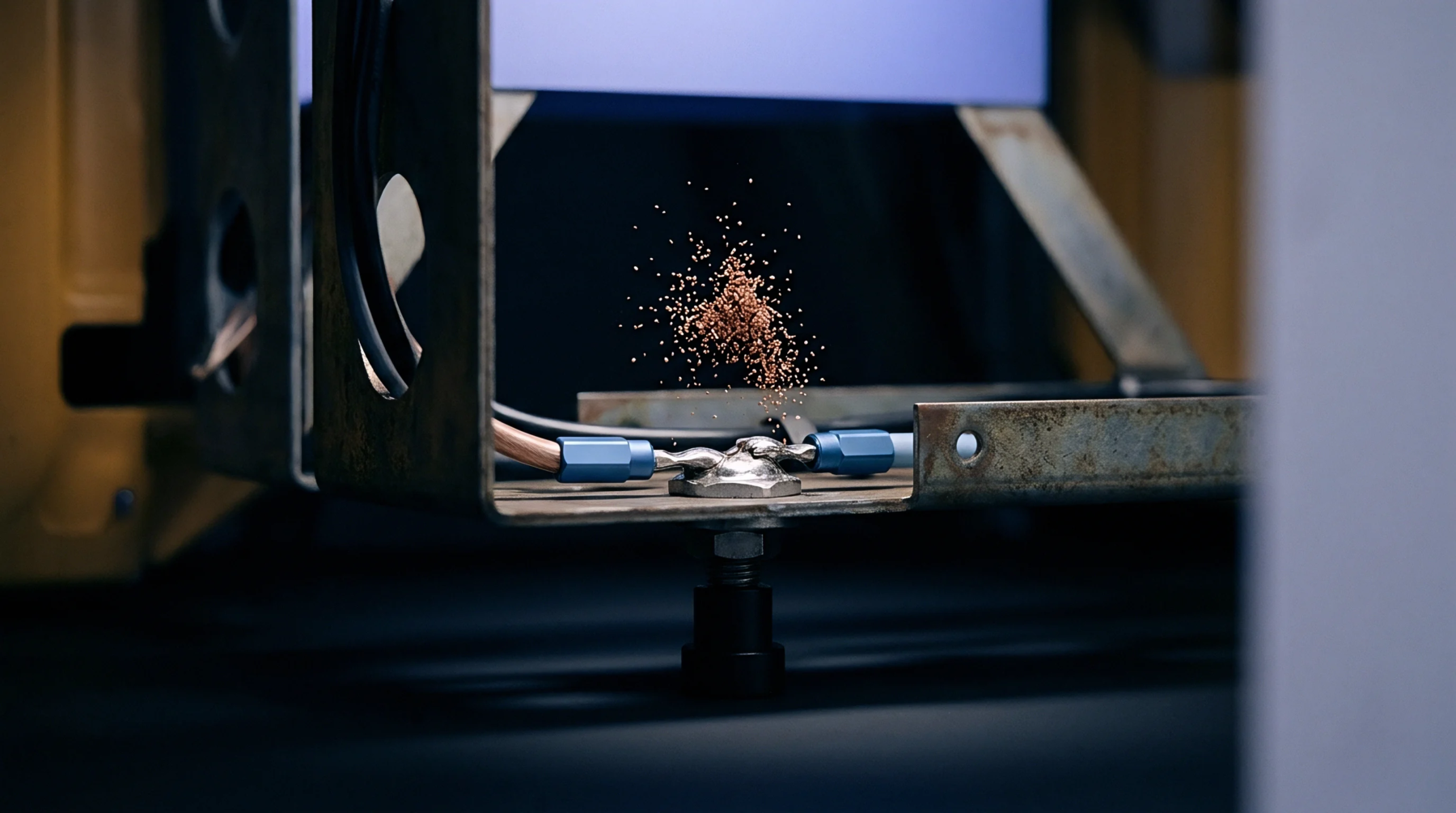
Carbide Nucleation Kinetics during Inert Gas Atomization of PM Steels
Carbide nucleation kinetics during inert gas atomization are controlled by droplet cooling rates between 10,000 and 1,000,000 K/s, dictating PM steel toughness.
A quantitative buffer value defining the temperature gap between a battery cell operating state and the onset of exothermic thermal runaway represents the thermal undercooling margin. Engineers calculate this parameter by subtracting the peak internal cell temperature observed during heavy discharge from the critical temperature threshold where separator degradation begins. Reliable thermal management systems rely on this specific delta to prevent catastrophic heat propagation within large battery modules.
Manufacturers verify this value through standardized heat soak testing protocols to ensure system stability under extreme load conditions.
Designers prioritize this margin to protect high density energy storage units during prolonged operation. Active heat extraction systems move coolant across surface plates to keep internal cell temperatures well beneath the runaway trigger point. If the operational temperature climbs too close to the chemical breakdown limit, the cooling system intensity increases to widen the gap.
Large packs require higher coolant flow rates to maintain this buffer because individual cells trap heat at different intensities depending on their location in the module. High resistance connections or aged internal electrodes reduce the margin by causing localized temperature spikes that exceed the average module readout. Precise instrumentation measures this delta across the entire pack structure to confirm that ambient heat rejection remains sufficient for safe performance.
Technicians monitor this variable during certification to guarantee that the system survives transient power spikes without reaching the danger zone.
System controllers enforce current limits once the internal heat level shrinks this margin below a predetermined safety limit. Control logic adjusts the output power if the temperature rise nears the danger threshold to allow the system to recover its thermal headroom. This mechanism prevents the battery from triggering a hard thermal trip while maintaining maximum possible throughput.
Sensors at the pack outlet provide the input for this decision, comparing actual temperatures against the limit curves defined during the initial design phase. Maintaining an adequate buffer allows for safer operation during high intensity cycles or charging in warm environments. Performance limitations occur when the thermal undercooling margin vanishes under heavy load, forcing the hardware to throttle performance or initiate emergency shutdowns to protect the cell chemistry.
Certification authorities mandate documented proof of this buffer size before granting regulatory approval for commercial battery deployment. Standardized test profiles involve cycling units through extreme ambient temperatures while monitoring the proximity of internal cell heat to the critical instability limit. Laboratories report the lowest observed margin recorded during these tests as the rating for the entire product line.
This value serves as the definitive reference point for integration teams when sizing cooling loops for vehicle or grid hardware. Correct assessment of this margin prevents failures in the field by defining the realistic ceiling for safe system operation. A sufficient margin provides the necessary protection against unpredictable heat accumulation inside dense packs.
Carbide nucleation kinetics during inert gas atomization are controlled by droplet cooling rates between 10,000 and 1,000,000 K/s, dictating PM steel toughness.
Expertise is a utility, not a secret. sentiention™ publishes its working knowledge as open reference: intelligence layer covering the materials it sources, the markets it enters, and the reference that serves both.