Vacuum Outgassing Thermal Schedules for Atomized Tool Steel Powders
Vacuum outgassing atomized tool steel powders between 180 and 650 degrees Celsius under high vacuum removes surface contaminants and prevents particle boundary failure.

Desorption
Quadrupole mass spectrometers tracking partial pressure spikes during powder vacuum processing show that volatile contaminants release in distinct thermal stages. Disintegration during inert gas atomization exposes molten steel droplets to ultra-pure argon or nitrogen gas. As these spherical particles solidify, they pick up surface-adsorbed water, ambient atmospheric gases, and residual light hydrocarbons during downstream screening, sizing, and packaging operations.
Tool steel chemistries rich in chromium, vanadium, and molybdenum readily form stable surface oxide networks on exposure to air, generating surface films that retard consolidation during downstream processing. Adsorbed moisture sits both as physisorbed water held by weak van der Waals forces and as chemisorbed hydroxyl groups tied directly into hydrated surface metal oxides. Thermal vacuum treatment drives off these volatile species before the powder can be encapsulated.
Surface Species on Inert Gas Atomized Alloys
Gas-atomized tool steel particles carry surface oxides and absorbed atmospheric gases left over from high-pressure nitrogen or argon atomization. X-ray photoelectron spectroscopy indicates that the surface layer on atomized AISI H13 and M2 powders consists of an outer carbonaceous contamination film, an intermediate hydroxide layer, and an underlying metallic oxide scale composed largely of iron and chromium oxides.
Heating under high vacuum strips these surface layers sequentially as their respective activation energies are reached. Physisorbed water flashes off between 20 degrees Celsius and 150 degrees Celsius. Chemisorbed hydroxyl species require higher thermal inputs to break down, releasing water vapor and molecular hydrogen between 150 degrees Celsius and 400 degrees Celsius.
Slower ramp rates prevent thermal gradients that trap moisture deep inside dense powder beds.
Thermodynamic Drivers of Moisture and Hydroxide Release
Under vacuum, physisorbed water begins detaching from metallic powder surfaces at ambient room temperature. Pulling system pressure below 0.01 millibar shifts the thermodynamic equilibrium enough to vaporize liquid moisture trapped inside interparticle capillaries. Hydrogen trapped at interstitial lattice sites begins desorbing once temperatures climb past 300 degrees Celsius.
When chemisorbed hydroxyl groups break down at higher temperatures, the liberated water vapor will react with matrix carbon or active alloying additions such as chromium and vanadium if the chamber partial pressure stays elevated. Vacuum pumping trains must therefore pull evolved water out faster than the re-adsorption rate to prevent secondary oxidation across the particle surfaces.
Incomplete degassing leaves behind surface hydroxides that decompose into high-pressure steam pockets during high-temperature consolidation, causing internal voids that ruin the transverse rupture strength of finished tooling stock.
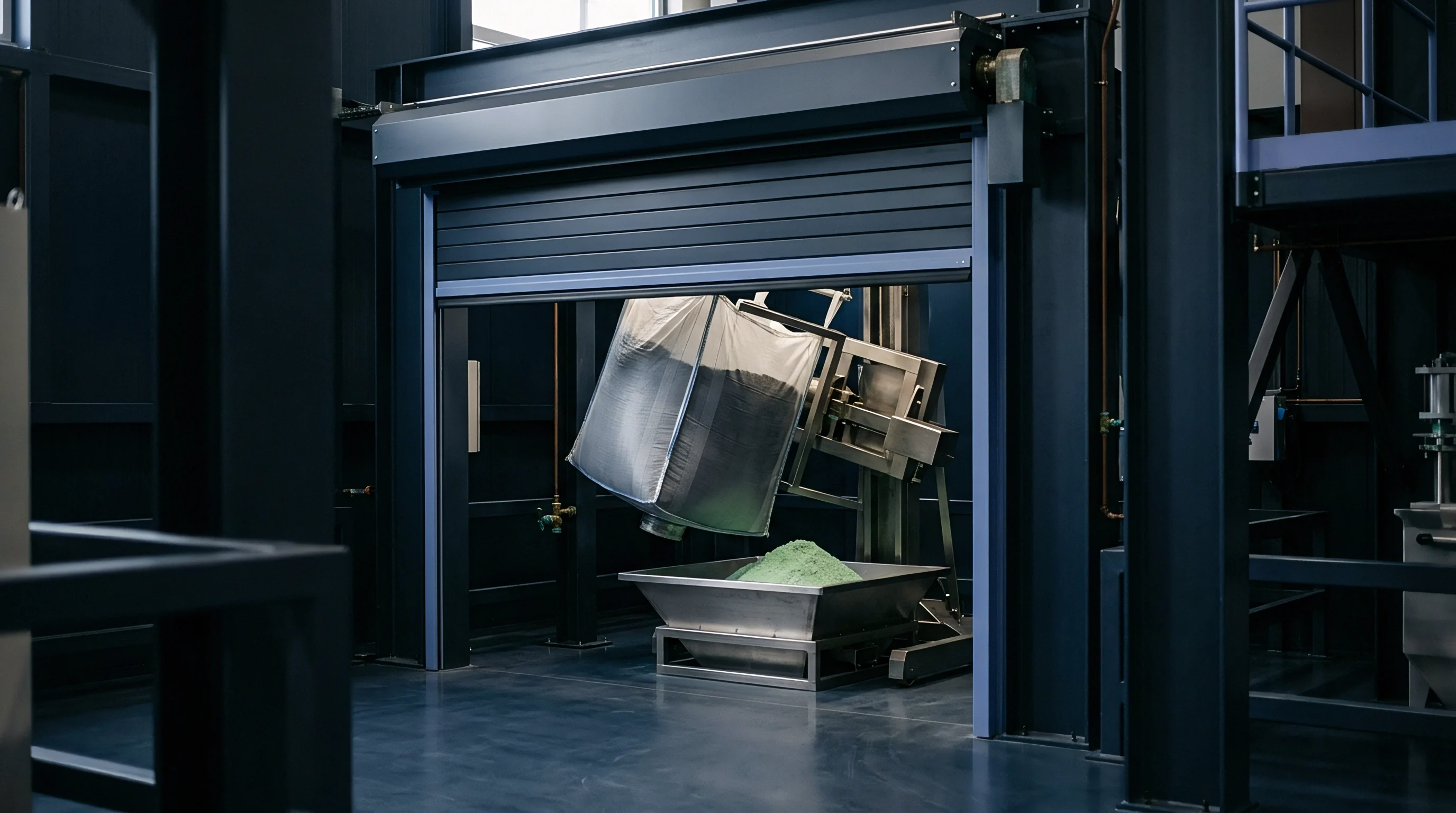
Vapor
Gas molecules trapped deep within powder beds offer significant resistance to evacuation during thermal cycles. Interstitial gas transport through packed atomized powder operates under Knudsen diffusion, where collisions with particle surfaces vastly outnumber gas-gas molecular collisions. As a result, particle size distribution, bed packing density, and retort vessel geometry directly govern the overall evacuation rate.
Residual gas analyzers mounted directly on the furnace exhaust port measure mass-to-charge ratios to identify evolving volatile species in real time: hydrogen registers at a mass-to-charge ratio of two, water vapor at eighteen, carbon monoxide at twenty-eight, and carbon dioxide at forty-four.
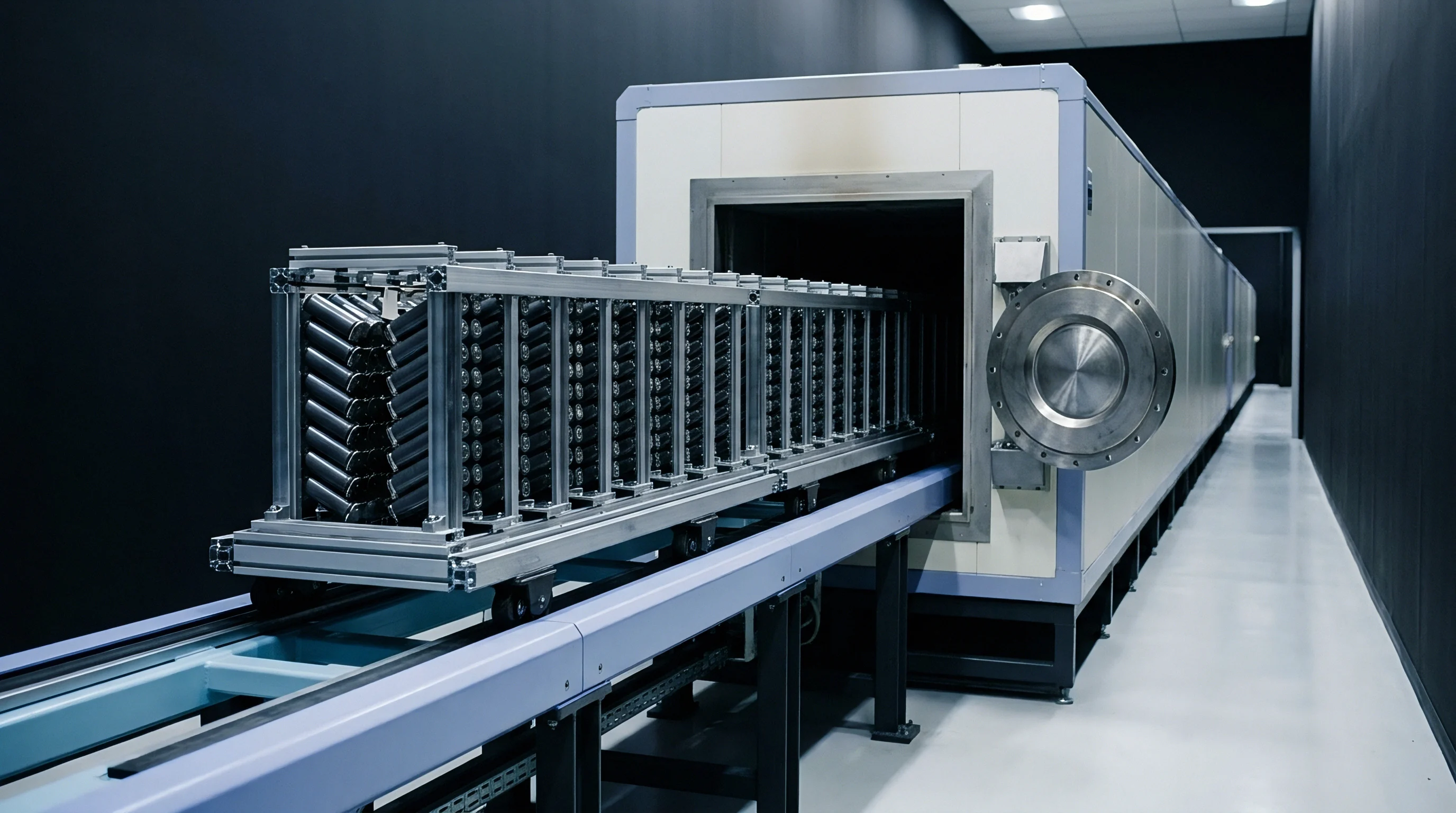
Mass Spectrometry Baselines for Volatile Contaminants
Tracking partial pressures with residual gas instrumentation maps out the gaseous species leaving an alloy batch as furnace temperatures rise. Water vapor accounts for the bulk of early outgassing, reaching peak intensity between 120 degrees Celsius and 220 degrees Celsius. Carbon monoxide and carbon dioxide partial pressure spikes follow at higher thermal plateaus as organic residues burn off and surface oxides break down.
| Gas Species | Mass to Charge Ratio | Desorption Temperature Range | Primary Chemical Source |
|---|---|---|---|
| Physisorbed Water | 18 | 20 to 150 degrees Celsius | Capillaries and surface moisture layers |
| Chemisorbed Hydroxides | 18 and 17 | 150 to 380 degrees Celsius | Decomposition of hydrated metal oxides |
| Molecular Hydrogen | 2 | 250 to 500 degrees Celsius | Lattice hydrogen and hydroxide breakdown |
| Carbon Monoxide | 28 | 550 to 750 degrees Celsius | Carbothermic reduction of iron and chromium oxides |
Monitoring the evolution of carbon monoxide gives an exact window into carbothermic oxide reduction. Watching these mass peaks allows operators to confirm complete volatile clearance before stepping to the next temperature ramp.
ASTM B923 enforces continuous residual gas monitoring until partial pressures fall below baseline criteria.
Powder Bed Depth and Gas Diffusion Mechanics
The interstitial spaces between spherical tool steel particles create tortuous escape channels for expanding gases. Once a loose powder bed exceeds one hundred millimeters in depth, gas flow encounters severe pressure drops from the interior of the bed to the open vacuum manifold.
- Prior particle boundary decoration Oxide films on particle surfaces prevent metallic bonding during hot isostatic pressing, causing intergranular fracture.
- Thermal micro void formation Entrapped water vapor decomposes into high-pressure hydrogen pockets during sintering, resulting in internal microporosity.
- Alloy carbon depletion Uncontrolled carbothermic reaction between surface oxides and matrix carbon reduces total carbon content, suppressing achievable hardness after quenching.
- Gas bubble blistering Argon and nitrogen gas trapped in surface open pores expand during thermal processing, distorting finished tool dimensions.
Volatile clearance rates scale inversely with the square of bed thickness. High-capacity retort systems rely on vibrated trays, thin bed cassettes, or mechanical tumbling retorts to keep diffusion distances short. Cutting bed depth from one hundred millimeters down to twenty-five millimeters reduces required soak times by more than seventy percent under the same vacuum pumping speeds.
Elevated outgassing pressures frequently trace to incomplete furnace drying prior to container loading rather than ambient humidity absorbed during transit.
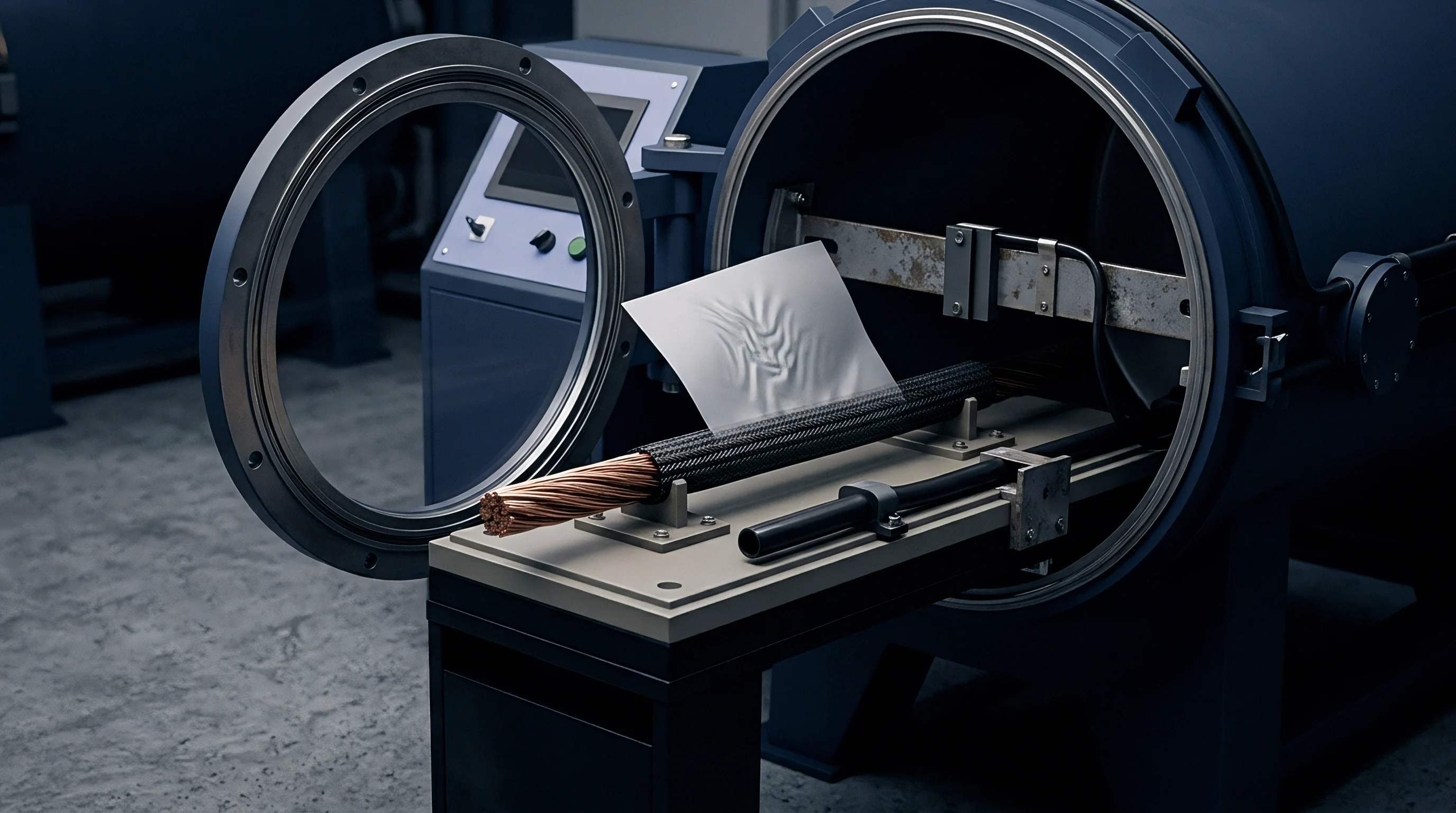
Schedules
Thermal cycles for vacuum powder processing must strip volatiles without damaging the underlying alloy microstructure. High speed steel powders like AISI M2 contain delicate carbon balances and metastable carbide phases that define strict upper temperature limits. Exceeding six hundred fifty degrees Celsius under vacuum risks triggering carbothermic reduction that pulls essential carbon straight out of the steel matrix.
| Tool Steel Grade | Degassing Hold Stage | Temperature Range | Ramp Rate | Dwell Duration | Vacuum Target |
|---|---|---|---|---|---|
| AISI H13 | Moisture Evacuation | 120 to 160 degrees Celsius | 2 K per minute | 2 to 4 hours | 0.001 millibar |
| AISI H13 | Hydroxide Breakdown | 350 to 400 degrees Celsius | 3 K per minute | 3 to 5 hours | 0.0001 millibar |
| AISI M2 | Moisture Evacuation | 140 to 180 degrees Celsius | 1.5 K per minute | 3 to 5 hours | 0.0005 millibar |
| AISI M2 | Carbothermic Control | 580 to 620 degrees Celsius | 2 K per minute | 2 to 4 hours | 0.00005 millibar |
| CPM 10V | Low Temp Bakeout | 150 to 200 degrees Celsius | 2 K per minute | 4 to 6 hours | 0.0001 millibar |
| CPM 10V | Vanadium Oxide Soak | 620 to 660 degrees Celsius | 1 K per minute | 3 to 6 hours | 0.00001 millibar |
Dwelling too long at carbothermic reduction temperatures shifts the carbon-to-metal ratio, impeding full martensitic transformation and lowering attainable hardness after heat treatment. Thermal cycles therefore require strict control over ramp rates, hold plateaus, and chamber pressures to prevent carbide coarsening.
Multi Stage Thermal Ramps for High Speed Steels
Degassing AISI M2 powder requires discrete temperature plateaus keyed to specific chemical reaction thresholds. Staging the heat in steps prevents sudden gas rushes that could fluidize fine powder fractions or overwhelm high-vacuum turbomolecular pumps.
- Charge the powder into the vacuum furnace retort and evacuate the chamber to a base pressure below 0.01 millibar at room temperature.
- Apply a slow heating ramp of 2 K per minute up to 180 degrees Celsius to desorb physisorbed surface water without fluidizing fine powder particles.
- Hold at 180 degrees Celsius until residual gas analysis confirms that the water mass peak drops below 0.000001 millibar.
- Increase temperature at 3 K per minute to 450 degrees Celsius to decompose chemisorbed hydroxides and desorb interstitial hydrogen gas.
- Hold at 450 degrees Celsius for two hours while monitoring carbon dioxide and water partial pressures.
- Elevate temperature to 620 degrees Celsius for carbothermic reduction of surface iron oxides, maintaining total system pressure below 0.0005 millibar.
- Cool the furnace charge under active vacuum down to 80 degrees Celsius before sealing the transfer container under vacuum lock.
Consider a 500 kilogram batch of gas-atomized AISI M2 tool steel powder loaded into a cylindrical vacuum retort. Assuming a median particle size (D50) of 75 micrometers and a specific surface area of 0.12 square meters per gram, the total surface area across the powder charge reaches 60,000 square meters. An initial moisture level of 180 parts per million by weight measured by Karl Fischer titration corresponds to 90 grams of adsorbed water, or 5.0 moles of water vapor.
Maintaining vacuum pressure below 0.0001 millibar at 450 degrees Celsius keeps residual oxygen growth under 15 parts per million.
At an outgassing dwell of 180 degrees Celsius and a chamber pressure of 0.01 millibar (1.0 Pa), those 5.0 moles of gas expand to an operational volume of 188,000 liters. Even with a manifold pumping speed delivering an effective 1,200 liters per second for water vapor, theoretical removal takes 157 seconds under unimpeded molecular expansion. Interstitial bed tortuosity, however, increases real transport resistance by a factor of forty-five across a 150 millimeter bed depth, extending the required isothermal dwell to roughly two hours to drive partial pressures back below 1 × 10⁻⁶ mbar.
What Temperature Triggers Carbothermic Reduction in High Vanadium Powders?
Vanadium oxides break down via carbon reaction at temperatures above six hundred fifty degrees Celsius. Cold-work steels with high vanadium contents, such as CPM 10V and Vanadis 4 Extra, develop resilient vanadium oxide (V2O3 and V2O5) surface films during atomization. Carbothermic reduction converts these surface films into carbon monoxide gas through reactions where vanadium oxide and vanadium carbide yield vanadium metal and carbon monoxide.
Handling high-vanadium tool steel powders means balancing sufficient thermal driving force against carbon depletion thresholds. Capping vacuum bakeout cycles at 630 degrees Celsius prevents carbon loss while still reducing surface iron and chromium oxides.
Determining whether sub-micron surface oxide reduction can occur without causing localized matrix carbon depletion in hyper-eutectic cold work steels remains an open analytical challenge for high-vanadium powder metallurgy.
Atmosphere
Maintaining atmosphere control inside the vacuum chamber demands properly matched high-vacuum pumping stacks and careful vacuum gauge positioning. Rotary vane backing pumps paired with Roots blowers provide rapid initial drawdown from atmospheric pressure into the medium vacuum range. Turbomolecular pumps or oil diffusion pumps equipped with liquid nitrogen cold traps pull ultimate base pressures down to 1 × 10⁻⁶ millibar.
Effective outgassing depends on accurate partial pressure verification. Standard Pirani or cold-cathode Penning gauges register total chamber pressure, which obscures the specific residual gas species present. Quadrupole mass spectrometers provide the necessary gas discrimination to guide the process.

Pumping System Selection and Cold Trap Efficiency
Turbomolecular pumps running with cryo-cooled traps strip gaseous contaminants cleanly without risk of back-streaming. Condensable vapors such as water present severe operating hurdles for mechanical vacuum pumps. Cold traps chilled with liquid nitrogen (77 Kelvin) freeze water vapor out instantly onto internal baffle surfaces, speeding chamber evacuation while protecting pump oils from water saturation.
Carbothermic reduction of surface chromium oxides releases carbon monoxide that spikes system total pressure.
- Turbomolecular pump speed matching Select vacuum pumping capacity that exceeds outgassing gas generation rates by a factor of three during peak release windows.
- Liquid nitrogen cold trap maintenance Keep cold traps filled to prevent desorbed water vapor from back-streaming into high-vacuum turbomolecular pump stages.
- Residual gas analyzer calibration Perform ionization gauge calibration using standard gas mixtures before initiating powder bakeout cycles.
- Chamber rate-of-rise testing Isolate the vacuum chamber for ten minutes prior to heating to verify that leak rates remain below 0.0001 millibar liters per second.
System conductance routinely throttles outgassing rates. Manifold diameters, run lengths, and particulate filter mesh ratings all restrict volumetric vacuum throughput. In particular, powder retention screens fitted to protect vacuum ports from fine particulate carryover can cut effective pumping speed at the chamber by as much as forty percent.
Partial Pressure Thresholds for Process Termination
Chamber pressure recovery marks the point where active gas desorption from the powder surfaces has subsided. Outgassing holds wrap up once residual gas analysis confirms that the water vapor mass peak (m/z = 18) drops below 1 × 10⁻⁶ millibar and the carbon monoxide peak (m/z = 28) levels off below 5 × 10⁻⁷ millibar.
Simply holding the batch at temperature without continuous vacuum pumping will not clean the powder. Continuous gas removal is required to drive the surface reactions forward by shifting the species equilibrium.
Under ASTM B923 Clause 7.2, exceeding a total chamber pressure of 0.005 Pascal during the final soak stage triggers automatic lot rejection, preventing contaminated powder charges from reaching container sealing lines.
Canning
Encapsulating outgassed powder into steel cans bridges thermal degassing and consolidation. Hot isostatic pressing (HIP) uses hermetically sealed mild steel canisters packed with dried tool steel powder. Moving the degassed material into these containers requires strict atmosphere isolation to prevent moisture re-adsorption from the surrounding air.
Residual oxygen levels exceeding one hundred parts per million generate continuous oxide networks along prior particle boundaries during compaction, leading to low impact toughness and early fatigue failure in dies machined from consolidated billets.
Hot Evacuation and Pinch off Quality Assurance
Pumping continuously during can sealing guards against air ingress prior to crimping. Canisters undergo hot evacuation between 300 degrees Celsius and 500 degrees Celsius while plumbed directly to a high-vacuum manifold. Once baseline partial pressures are reached, the evacuation stems are hydraulically crimped, resistance welded, and cut.
| Compaction Method | Maximum Oxygen Limit | Maximum Hydrogen Limit | Target Water Partial Pressure | Max Can Leak Rate |
|---|---|---|---|---|
| Hot Isostatic Pressing | 80 parts per million | 2 parts per million | 0.000001 millibar | 1 x 10^-8 mbar l/s |
| Vacuum Sintering | 120 parts per million | 3 parts per million | 0.000005 millibar | 1 x 10^-6 mbar l/s |
| Laser Powder Bed Fusion | 150 parts per million | 5 parts per million | 0.00001 millibar | 1 x 10^-5 mbar l/s |
Helium mass spectrometer leak testing verifies the hermetic integrity of container pinch welds before the assemblies are placed inside high-pressure hot isostatic presses.
Microstructural Impact of Residual Gaseous Contamination
Prior particle boundary networks develop when residual oxygen reacts with active alloying elements during consolidation. Vanadium and chromium form stable MC and M23C6 carbides along with oxide films at particle boundaries when elevated oxygen and carbon are both present during HIP processing.
Transverse rupture strength drops sharply once particle boundary oxide coverage exceeds five percent of the total fracture surface area. Powders outgassed according to disciplined multi-stage bakeout schedules yield fully dense compacts characterized by uniform carbide distributions and isotropic mechanical properties.
Crimping and resistance welding the evacuation tubes under continuous vacuum locks in the achieved cleanliness, preserving the degassed condition of the powder until high-pressure consolidation begins.